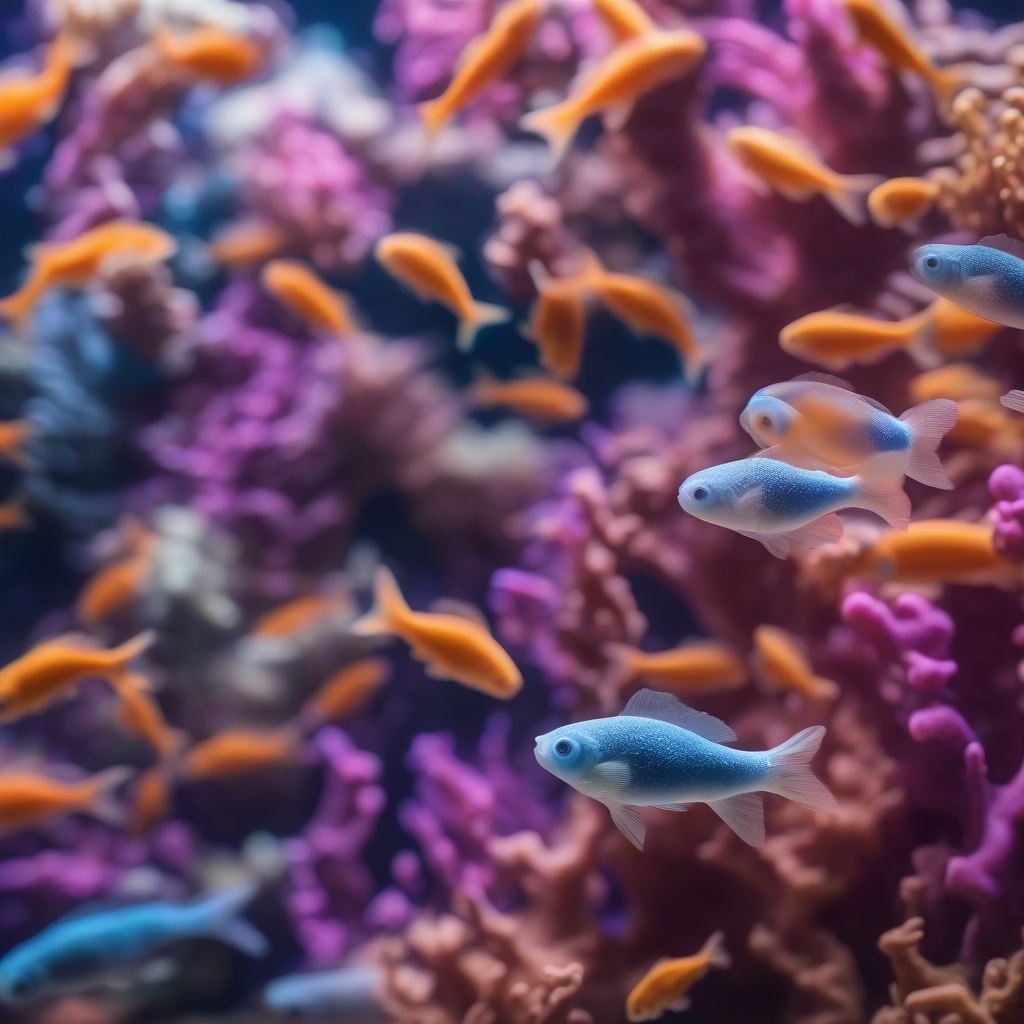
In this article, you will discover the scientific impacts of the unseen biofilm ecosystem in your aquarium on your fish's health, behavior, and overall well-being, and how to manage this delicate balance.


In this article, we will deeply explore the insidious neurobiological effects of gut microbiome imbalance (dysbiosis) on your rabbit's brain health and provide scientific-based solutions to maintain mental vitality.

In this article, you can find comprehensive information on how pancreatitis in dogs not only affects the digestive system but also insidiously impacts the brain, its neuroinflammatory mechanisms, and lifesaving emergency intervention strategies.

Discover the 5 insidious effects of overfeeding, one of the most stealthy threats to your fish's health, causing neurometabolic destruction in their brains, and learn scientific feeding strategies to prevent this demise. Uncover the silent danger in your aquarium!
Your aquarium is not just a glass box containing water, fish, and decorations. It's an unseen, living ecosystem, and one of its most crucial yet often overlooked components is biofilm. Biofilm is a complex matrix structure formed on aquarium surfaces (glass, decor, filter media, substrate), where bacteria, algae, fungi, and other microorganisms live together. We are unveiling the scientific secrets behind this 'invisible chemical labyrinth' that has surprisingly profound effects on your fish's health, behavior, and even social interactions.
Biofilm acts like the digestive system and immune shield of the aquarium. It plays a key role in the biological filtration of water. Nitrifying bacteria, which convert harmful substances like ammonia (a toxic compound from fish waste and food remnants) and nitrite into less toxic nitrates, live within the biofilm. This process is known as the 'nitrogen cycle' and is the cornerstone of a healthy aquarium. Biofilm can also detoxify other toxic substances, break down organic matter, and even provide an additional food source for fish.
Biofilm is not a homogeneous structure; different microorganisms have different needs and roles. It creates micro-environments where oxygen levels, pH values, and nutrient sources vary regionally within the film. This chemical heterogeneity allows various bacterial species to coexist and function. For instance, nitrifying bacteria prefer oxygenated areas, while denitrifying bacteria thrive in oxygen-depleted regions, converting nitrate into nitrogen gas, thereby helping to reduce the need for water changes.
The impact of biofilm on fish is not limited to physical health. Research indicates that biofilm indirectly affects fish stress levels, social interactions, and even reproductive behaviors.
A healthy biofilm ensures stable water quality, reducing stress in fish. Sudden fluctuations in water quality can weaken the immune system of fish and invite diseases. Biofilm buffers these fluctuations, creating a more predictable and secure environment for fish. Furthermore, fish communicate with each other by sensing chemical signals (like pheromones) in the water. Biofilm can modulate or adsorb these chemicals, which can influence the social order and territorial behaviors of fish. When integrating new species into the aquarium, an established biofilm can stabilize the chemical signature of the water, thereby facilitating your fish's social networks and integration.
Some fish species, especially herbivores and scavengers, directly use algae and microorganisms that form on biofilm as a food source. This allows them to mimic their natural feeding behaviors, providing mental stimulation and well-being. A healthy biofilm can help your fish's hidden emotional spectrum develop positively.
Biofilm, thanks to the beneficial bacteria living within it, can prevent the proliferation of pathogenic microorganisms. This 'competitive exclusion' principle reduces the risk of disease in the aquarium. Fish also have similar microbial communities on their mucosal surfaces (skin, gills) that interact with the aquarium biofilm. A strong biofilm can increase their resistance to secondary infections after your fish's invisible wounds.
Creating and maintaining a healthy biofilm ecosystem in your aquarium, which is your fish's habitat, requires a professional approach.
When setting up a new aquarium, waiting for the biofilm that initiates the nitrogen cycle to form is critically important. This process is often called 'aquarium cycling' and can take several weeks. During this period, not adding fish or adding very few fish allows beneficial bacterial colonies to stabilize. Adding bacterial cultures at the start can speed up this process.
Biofilm needs surfaces to adhere to. Therefore, the choice of filter media is vital. Materials with a high surface area, such as porous sponges, ceramic rings, or bio-balls, provide ideal environments for bacteria to colonize. Substrate (sand or gravel) and decorative elements (rocks, driftwood) also contribute to biofilm formation.
Regular aquarium maintenance is important, but care should be taken not to harm the biofilm. Gently rinsing filter media with aquarium water, not tap water, helps preserve beneficial bacteria. Excessive or chemical cleaning can destroy the biofilm and lead to problems like 'new tank syndrome'. Making regular but controlled water changes, scientifically learning water quality parameters, and understanding this balance is essential.
Overfeeding leads to undissolved food particles and consequently, an accumulation of ammonia and nitrite. This can overload the biofilm and create an environment where beneficial bacteria cannot cope. Feed your fish only as much as they can consume within a few minutes.
When adding new fish, be careful not to exceed the biological load capacity of the aquarium. As stated in the article psychological secrets of hidden fish in new aquariums and scientific codes for social adaptation, slow and gradual additions allow the biofilm time to adapt to the new load and minimize stress.
The biofilm ecosystem in the aquarium is a science that directly affects the quality of life of your fish and should not be overlooked. By understanding and managing this 'invisible chemical labyrinth' with the right strategies, you can provide your aquatic friends with a healthier, happier, and more balanced living environment.
