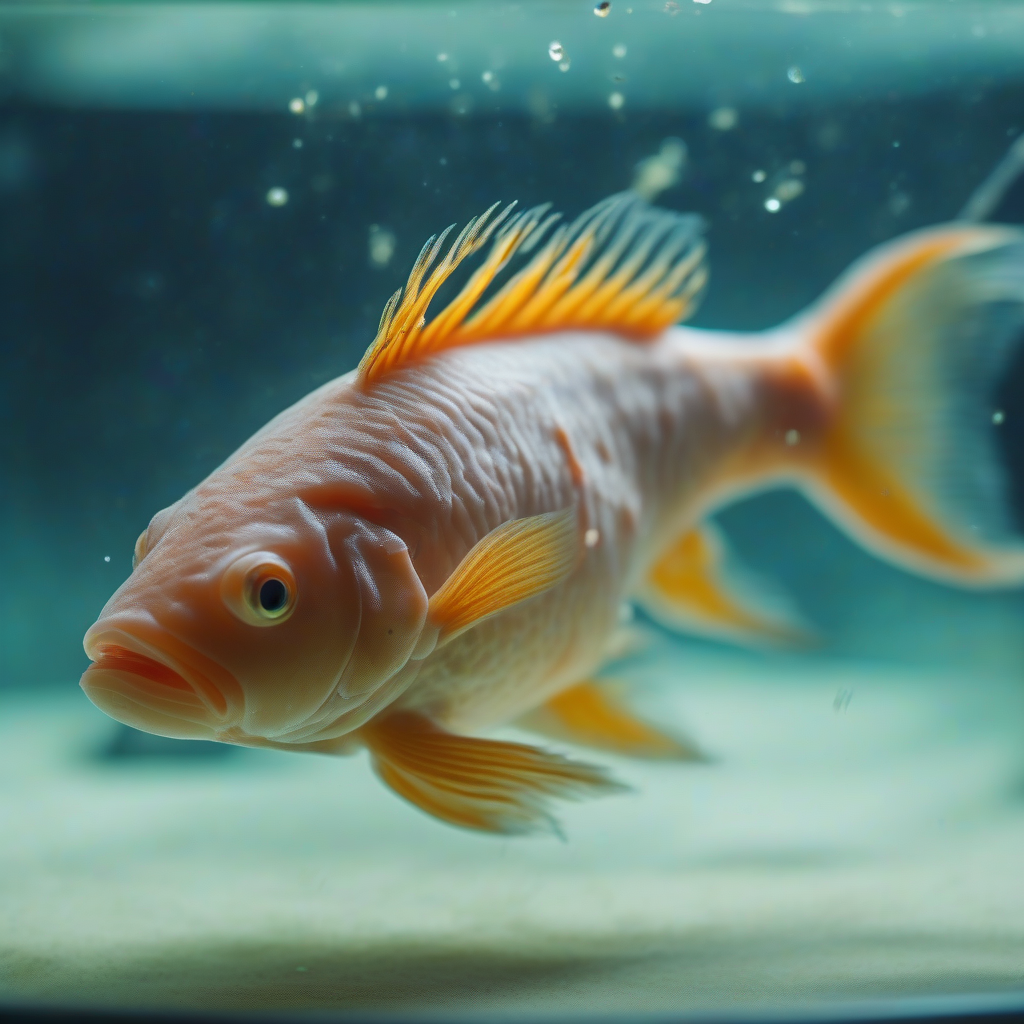
Your Fish's 'Invisible Wounds': Stealthy Signals of Physical Trauma in the Aquarium and Lifesaving Emergency Intervention Protocols!
Aquarium fish, due to their delicate nature and confined living spaces, can suffer physical traumas more often than expected. These traumas often go unnoticed, and without timely intervention, can lead to serious health issues or even death. As an aquarist, diagnosing your fish's 'invisible wounds' and implementing lifesaving first aid protocols is vital for their well-being. As of March 2026, we will explore the stealthy signs of physical trauma in aquariums and effective intervention methods with the latest scientific approaches.
Stealthy Signals of Physical Trauma: Overlooked Clues
Fish cannot clearly express their pain and discomfort. Therefore, signs of physical trauma often manifest as behavioral changes or very subtle physical cues. Careful observation is key to early diagnosis.
Visible Wounds and Micro-Lesions
The most obvious signs of physical trauma are visible wounds. However, these wounds may not always be large and prominent:
- Fin Tears and Deformities: Small tears, irregularities, or missing pieces on fins can result from collisions, rubbing, or fights. These tears are open gates for infection.
- Scale Loss and Body Abrasions: Fish scales act as a protective layer. Scale loss can occur from rubbing against hard surfaces, getting caught in equipment, or attacks from other fish. Redness or open sores may develop in areas of scale loss. Minor abrasions or bruises on the body may not be noticed at first glance but can negatively impact the fish's overall health.
- Eye Injuries: Swelling, cloudiness, or even loss of an eye can result from bumping into the aquarium glass or decor. Such injuries can severely affect the fish's vision.
Behavioral Changes: The Language of Stress and Pain
Fish experiencing physical pain or discomfort will show noticeable changes in their behavior. These changes are often closely related to the Your Fish's 'Invisible Mind Map': Social Codes in the Aquarium and Unseen Stress Triggers:
- Lethargy and Inactivity: A normally active fish suddenly moving less, sinking to the bottom, or hiding in the corners of the aquarium is a sign of discomfort.
- Loss of Appetite: Fish experiencing pain or internal injury may refuse to eat or show disinterest in food.
- Abnormal Swimming Patterns: Unbalanced swimming, tilting to one side, slow or very fast swimming, or even swimming upside down can indicate a serious internal problem. Even if your fish doesn't have swim bladder problems as discussed in the Your Fish's 'Invisible Swim Stabilizer': Stealthy Signals of Swim Bladder Problems and 5 Lifesaving Scientific Strategies! article, trauma can disrupt swimming balance.
- Rapid Respiration: Similar to oxygen deprivation mentioned in the Your Fish's 'Secret Gill Crises': Unnoticed Oxygen Deprivation and Scientific Secrets of Early Diagnosis! article, physical trauma can also create stress and metabolic load in fish, increasing their respiration rate.
Color and Texture Changes: Shadow of Internal Injuries
Sometimes, wounds are not visible externally but lead to changes in the fish's overall appearance:
- Color Fading or Darkening: Stressed fish may lose their color or, conversely, become darker. This can be an indicator of pain from internal injuries.
- Swelling or Abnormal Protrusions: Internal bleeding or organ damage can cause localized swelling or abnormal protrusions on the fish's body. These conditions are often among the most serious signs of internal trauma.
Invisible Dangers in the Aquarium: Sources of Trauma
To prevent physical traumas, it's essential to know the potential dangers:
- Decor and Equipment Risks: Sharp-edged decorations, hard surfaces, inadequately protected filter intakes, or air stones in the aquarium can cause fish to injure themselves.
- Interspecies Conflicts and Aggression: Keeping aggressive or incompatible species together leads to constant chasing and fin-nipping. This situation increases the stress factor, especially for new fish, as discussed in the Your Fish's 'Invisible New Neighbor Syndrome' in the Aquarium: Scientific Codes of Interspecies Harmony and Secrets of Sudden Behavioral Changes! article.
- Sudden Movements and Collisions: Fish can easily be startled by sudden light changes, loud noises, or rapid interventions in the aquarium, causing them to bump into glass or decor.
- Transfer and Handling Errors: Incorrect techniques used when catching or transferring fish to another aquarium, harsh movements with nets, or drops can cause physical trauma.
Lifesaving Emergency Intervention Protocols: A Step-by-Step Scientific Approach
When you notice signs of physical trauma in your fish, quick and correct intervention is crucial.
1. Emergency Quarantine: Reducing Stress and Creating a Healing Environment
- Transfer the injured fish from the main tank to a separate, small, clean quarantine tank. This reduces the risk of infection in the wound and protects the fish from attacks by other fish. The quarantine tank should be prepared according to the principles in the Your Fish's Invisible 'Quarantine Shield': Scientific Secrets to Safely Integrating Newcomers into the Aquarium and the Art of Eliminating Hidden Threats! article.
- Ensure the quarantine tank is calm, dimly lit, and has minimal current. Stress slows down the healing process.
- A simple air stone and heater are sufficient. If a filter is used, opt for a sponge filter with a gentle flow.
2. Water Chemistry and Sterilization: Preventing Infection
- Maintain optimal water quality in the quarantine tank. Perform frequent water changes to keep ammonia, nitrite, and nitrate levels close to zero.
- You can use a mild dose of aquarium salt (for salt-tolerant species) or commercial products with healing-accelerating, anti-stress properties. This helps disinfect the wound and allows the fish's mucus layer to regenerate.
- For large and open wounds, appropriate antibacterial or antifungal fish medications can be used under veterinary supervision. However, as stated in the Your Fish's 'Silent Scream' in the Aquarium: A Lifesaving 5-Minute Scientific Intervention Guide for Sudden Poisoning! article, incorrect medication use can lead to poisoning, so exercise caution.
3. Nutrition and Supplementation: Supporting Recovery
- Offer easily digestible, highly nutritious foods to the injured fish. Live or frozen artemia and bloodworms can stimulate appetite.
- You can use vitamin supplements (especially Vitamin C) and immune-boosting products to speed up the healing process.
4. Observation and Veterinary Communication
- Observe your fish closely. Watch for signs of improvement (fin regrowth, color revitalization) or worsening (wounds enlarging, fungal growth).
- If the condition does not improve or deteriorates, consult a specialized aquatic veterinarian. Internal injuries or severe infections may require professional intervention.
By implementing these scientific protocols to enhance your fish's quality of life and take correct steps in emergencies, you can help heal their 'invisible wounds' and facilitate their return to a healthy life. Remember, early diagnosis and rapid intervention are invaluable for the well-being of every creature in the aquarium.