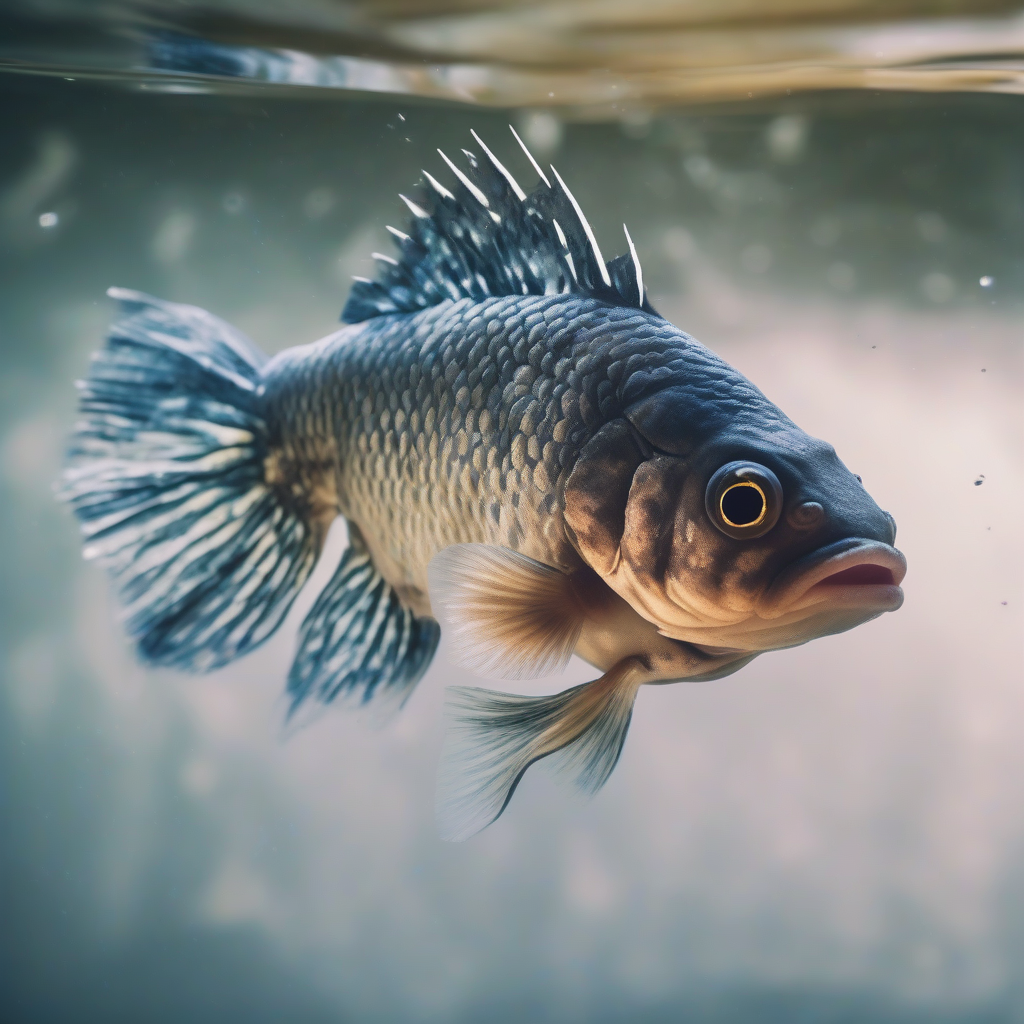
In this article, you will find the scientific reasons, insidious signals, and lifesaving emergency intervention strategies for sudden scale loss in your fish.


In this article, you will discover the 5 insidious neurobiological effects of the Encephalitozoon Cuniculi parasite, which is often overlooked in rabbits but severely affects the brain, along with lifesaving early diagnosis methods.

In this article, we will deeply explore the insidious neurobiological effects of gut microbiome imbalance (dysbiosis) on your rabbit's brain health and provide scientific-based solutions to maintain mental vitality.

In this article, you can find comprehensive information on how pancreatitis in dogs not only affects the digestive system but also insidiously impacts the brain, its neuroinflammatory mechanisms, and lifesaving emergency intervention strategies.
The colorful fish swimming in your aquarium are not just aesthetic presences; they are tiny, complex biological systems. One of their most fundamental defense mechanisms is their scales. This 'invisible defense shield' serves as a vital barrier protecting the fish's skin from physical trauma, pathogens, and especially osmotic imbalances. However, when this shield suddenly begins to collapse, meaning your fish experiences sudden scale loss, it often signals a serious emergency that should not be ignored. So, why do your fish's scales suddenly fall off, and what are the lifesaving steps in this critical situation?
Fish scales are not merely simple structures that complete an external appearance. Each scale has a series of critical functions for the fish's survival:
Sudden and widespread scale loss means that the fish's internal environment becomes vulnerable to external factors. This can quickly lead to infections, water-salt imbalance, and ultimately death.
Scale loss may not always be obvious. Sometimes it begins with subtle, insidious signs. Here's what to look for:
There are multiple scientific reasons that lead to sudden scale loss:
Water quality issues are one of the most common and insidious causes of scale loss. High ammonia and nitrite levels or extreme pH fluctuations can burn the fish's skin and cause scales to fall off. This situation can become inevitable, especially when an The Invisible 'Biological Filter Catastrophe' in Your Fish Aquarium: The Silent Collapse of Bacterial Colonies and 5 Scientific Secrets to Saving the Ecosystem! occurs.
Sudden and significant changes in the salinity (or hardness) level of the aquarium water can cause osmotic shock. This disrupts the fish's water balance, creating severe stress and leading to scale loss. Maintaining this balance is vital when adding new fish or performing water changes.
When you notice sudden scale loss in your fish, acting quickly is crucial. Here are the emergency steps you should take:
If not all fish are affected, immediately move the affected fish to a separate quarantine tank. This prevents the spread of the disease and allows the fish to recover in a less stressful environment. Ensure the quarantine tank has a heater and an air stone.
Immediately test the water parameters (ammonia, nitrite, nitrate, pH, and temperature) of both your main aquarium and the quarantine tank. Ammonia and nitrite should be zero, and nitrate low. pH and temperature should be within the appropriate range for your fish species. If there are deviations, stabilize the situation by applying the methods in Your Fish's Sudden Poisoning Crisis: Neutralize Invisible Aquarium Threats in 5 Minutes!.
If you suspect water quality issues, perform a quick 25-30% water change in the main tank. Regular small water changes in the quarantine tank will also support the recovery process. Ensure the new water is dechlorinated and at the same temperature.
If your freshwater fish is experiencing scale loss due to injury or stress, you can add aquarium salt (non-iodized) to the quarantine tank at a ratio of 1 teaspoon per gallon (approx. 3.8 liters) of water. This helps reduce osmotic stress and provides some protection against secondary infections. However, use salt carefully and avoid continuous use.
Continue to observe the fish closely. If scale loss is due to physical trauma, follow the wound care steps in Your Fish's 'Invisible Scarring': Lifesaving Emergency Care and Recovery Secrets for Acute Trauma!. If a bacterial infection is suspected, you may need to use a broad-spectrum antibacterial fish medication. In all cases, offer quality feeds and vitamin supplements to support the fish's immune system.
The best way to prevent emergencies like sudden scale loss is to be proactive:
If your fish's condition worsens despite the emergency intervention steps above, if scale loss continues, or if you cannot determine the underlying cause, you should definitely consult an aquatic veterinarian. An expert eye can provide the correct diagnosis and treatment protocols to save your fish's life.
Remember, your fish's scales are not just beautiful but also an important indicator of their health. When you notice a problem with this 'invisible defense shield,' acting quickly and knowledgeably is the key to saving your little friends' lives.
