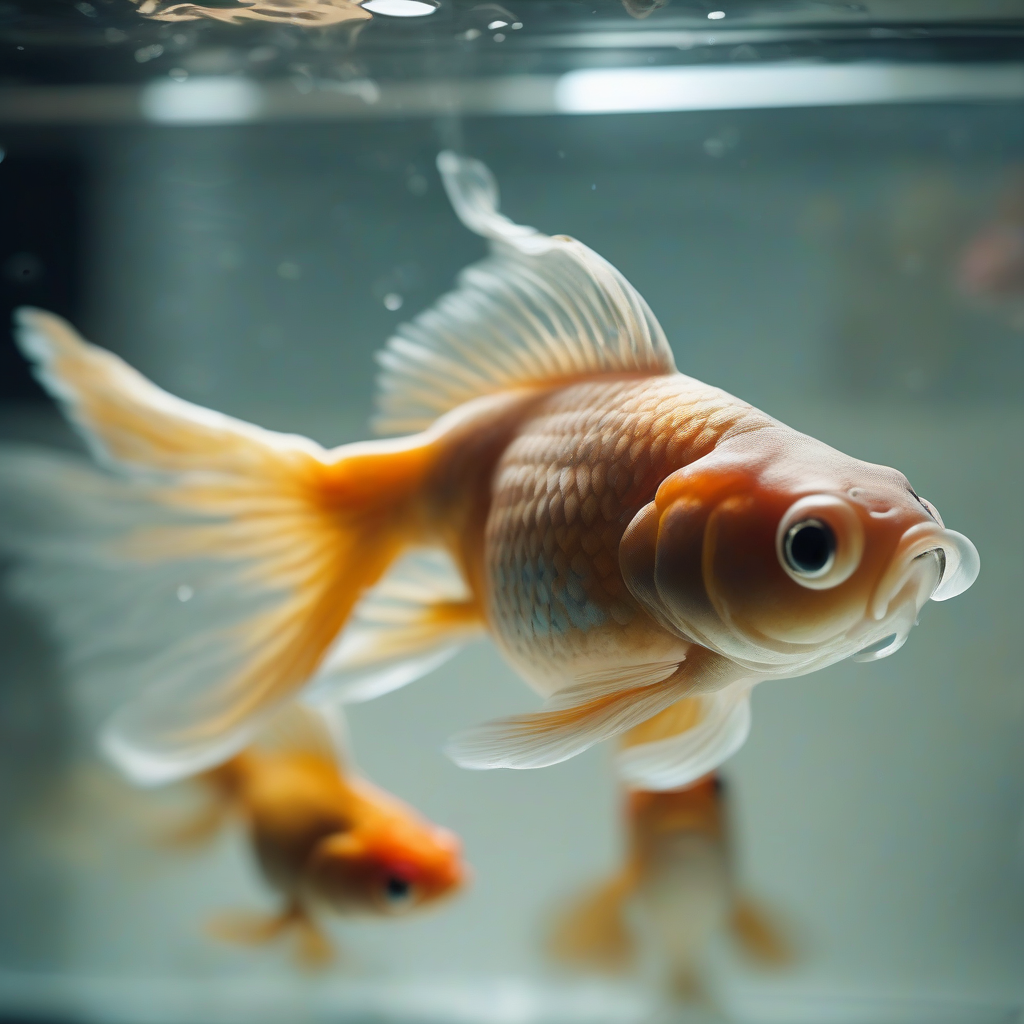
Recognize the signs of sudden fish poisoning and learn how to neutralize hidden threats in your aquarium within 5 minutes.


In this article, you will discover the 5 insidious neurobiological effects of the Encephalitozoon Cuniculi parasite, which is often overlooked in rabbits but severely affects the brain, along with lifesaving early diagnosis methods.

In this article, we will deeply explore the insidious neurobiological effects of gut microbiome imbalance (dysbiosis) on your rabbit's brain health and provide scientific-based solutions to maintain mental vitality.

In this article, you can find comprehensive information on how pancreatitis in dogs not only affects the digestive system but also insidiously impacts the brain, its neuroinflammatory mechanisms, and lifesaving emergency intervention strategies.
The serene life in your aquarium can suddenly turn into a crisis. Fish that were once lively and energetic suddenly becoming listless, rapidly moving their gills, or struggling to breathe at the surface can indicate a hidden poisoning danger in your aquarium. These situations require quick and correct intervention. Here is a scientific guide on how to recognize the signs of sudden fish poisoning and neutralize invisible threats in your aquarium in just 5 minutes.
Poisoning in fish is often caused by sudden changes in aquarium water quality or the introduction of harmful substances into the water. These invisible dangers can include:
Observe the following symptoms to determine if your fish is suffering from sudden poisoning:
Time is critical in a poisoning situation. Here's what you should do within the first 5 minutes:
If you can identify the source of the poisoning (e.g., a newly added decorative item, a spilled chemical), remove it from the aquarium immediately. If the source is unclear, proceed to the next steps.
This is the most effective way to rapidly lower the concentration of toxic substances. Ensure the water you use is dechlorinated. If using tap water, add an appropriate water conditioner to neutralize chlorine and chloramines. While rapid and large water changes can stress fish, in a poisoning situation, this risk is less significant than the possibility of saving a life.
If you have an air pump or air stone, run it at its maximum setting. If not, you can temporarily open the aquarium lid or use a spoon to scoop water from the surface and gently pour it back in, creating surface agitation and thus increasing oxygen transfer. This will help the fish breathe.
If your aquarium has activated carbon filter media, it can help absorb and remove toxic substances from the water. If medication overdose is suspected as the cause of poisoning, it's generally better to add activated carbon at least 24-48 hours after medication treatment, as it can also absorb medications.
Your fish may be stressed after poisoning. Dimming the aquarium lights, reducing noise around the aquarium, and avoiding constant disturbance of the fish are important. Observe your fish's behavior closely for a few hours. If symptoms persist or worsen, do not hesitate to contact your veterinarian.
Sudden poisonings can threaten your fish's life. However, with the right knowledge and swift intervention, you can minimize these crises and protect the life in your aquarium.
