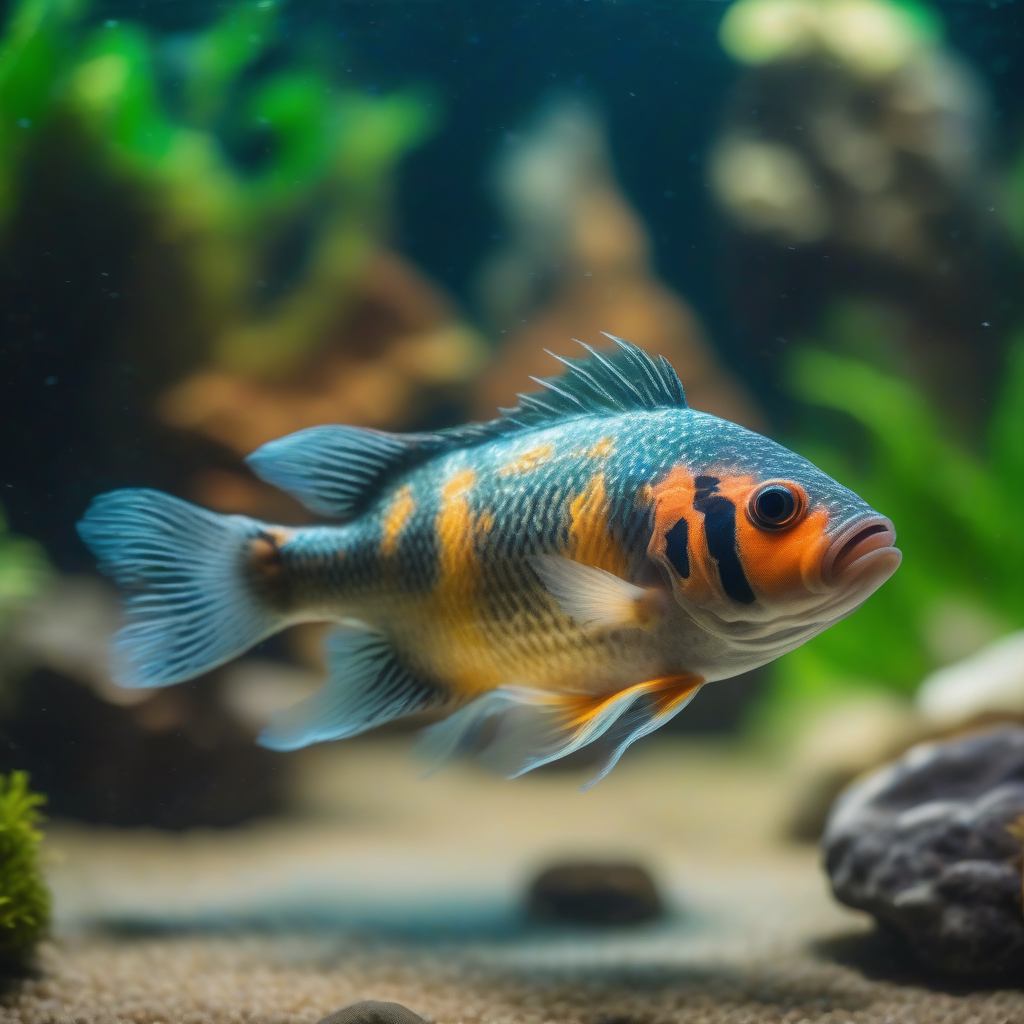
Discover the secrets of the biological filter, the 'invisible' heart of your aquarium. In this article, you will find comprehensive information on the devastating effects of the silent collapse of filter bacteria on the aquarium ecosystem, its early signals, and 5 scientific rescue strategies to guarantee your fish's quality of life. By debunking common filter cleaning myths, you will prevent insidious fluctuations in water chemistry and create a healthy paradise for your fish.


In this article, you will discover the 5 insidious neurobiological effects of the Encephalitozoon Cuniculi parasite, which is often overlooked in rabbits but severely affects the brain, along with lifesaving early diagnosis methods.

In this article, we will deeply explore the insidious neurobiological effects of gut microbiome imbalance (dysbiosis) on your rabbit's brain health and provide scientific-based solutions to maintain mental vitality.

In this article, you can find comprehensive information on how pancreatitis in dogs not only affects the digestive system but also insidiously impacts the brain, its neuroinflammatory mechanisms, and lifesaving emergency intervention strategies.
Your aquarium fish are not just a colorful display but also part of a delicate ecosystem. The invisible hero of this ecosystem is the biological filter. Although it may seem like just a device that keeps the water clear, the biological filter actually hosts trillions of nitrifying bacteria that maintain the chemical balance of the aquarium. These microscopic warriors convert deadly ammonia and nitrite from fish waste into less harmful nitrates, ensuring the water remains suitable for life. However, this delicate balance can turn into an insidious catastrophe due to incorrect care practices or overlooked details: biological filter crash. In light of the latest scientific data as of March 2026, this article will delve into how this 'invisible killer' operates in your aquarium, its early signals, and 5 scientific rescue secrets to ensure the well-being of your fish.
The nitrification cycle in the aquarium is the foundation of biological filtration. Fish waste, excess food, and decaying plants release ammonia (NH₃) into the water. Ammonia is extremely toxic to fish. Fortunately, Nitrosomonas bacteria convert ammonia into nitrite (NO₂⁻). Although nitrite is also quite harmful to fish, bacteria like Nitrobacter and Nitrospira then convert nitrite into the relatively less toxic nitrate (NO₃⁻). This cycle forms the chemical backbone of your aquarium and is essential for a healthy living environment.
When the bacterial population in the biological filter is insufficient or damaged, this cycle is disrupted. Ammonia and nitrite levels rapidly rise, directly affecting the oxygen-carrying capacity in your fish's blood, leading to 'silent poisoning.' This situation creates stress for your fish that is difficult to detect externally and can result in fatalities in a short period. Preventing this invisible chemical stress is the first step towards a healthy aquarium.
These bacteria live in colonies on the porous surfaces of filter media. Ceramic rings, sponges, and bio-balls, which provide a high surface area, offer ideal environments for this 'secret society' to thrive. The healthy proliferation of these bacteria is vital for the overall balance of the aquarium and the longevity of the fish. To learn more about insidious toxin sources that upset the balance in your aquarium and the life-saving secrets of biological balance, you can read our article Your Fish's 'Invisible Chemical Stress': Insidious Toxin Sources in the Aquarium and the Lifesaving Secrets of Biological Balance!.
A biological filter crash usually doesn't happen suddenly; it often manifests with insidious symptoms. Detecting these signs early is key to saving your aquarium and your fish.
You might observe abnormal behaviors in your fish such as lethargy, loss of appetite, rapid gill movements, swimming near the surface, or hiding in aquarium corners. Fin rot, faded coloration, or red spots on the body can also be warning signs. Such behavioral changes indicate the stress your fish are experiencing and may sometimes overlap with the situations mentioned in the article Your Fish's 'Silent Emotional Language': Scientific Codes to Decipher Invisible Social Signals in the Aquarium Post-Adoption!.
The most reliable indicator is a rise in ammonia and/or nitrite levels when measured with water test kits. The water may become cloudy and emit a strange odor. This is a clear sign that biological filtration is insufficient.
Taking proactive steps is essential to prevent and remedy a biological filter crash.
Never rinse filter media directly under tap water! Chlorine and chloramine in tap water instantly kill nitrifying bacteria. Always clean filter media by gently rinsing them with water taken from the aquarium. This is the most critical step to protect bacterial colonies.
In case of a filter crash or setting up a new aquarium, using commercially available live bacterial cultures (starter cultures) is a scientific way to accelerate the nitrification cycle and establish a new balance. These products add the necessary bacterial species to the water, shortening the recovery process.
Avoid sudden changes such as large water changes or completely replacing filter media. Always proceed gradually. Limit water changes to 25-30% and clean or replace filter media at different times, not all at once. This principle also applies when adding new fish to the aquarium; to safely integrate newcomers and eliminate hidden threats, you can apply the methods described in the article Your Fish's Invisible 'Quarantine Shield': Scientific Secrets to Safely Integrating Newcomers into the Aquarium and Eliminating Hidden Threats!.
Nitrifying bacteria are aerobic organisms, meaning they require oxygen. Ensuring adequate water circulation and aeration in the aquarium is vital for the development of these bacteria. Also, make sure that the filter media you use has a high surface area, as this increases the space available for bacterial colonies to establish.
Regular water testing is indispensable for tracking ammonia, nitrite, and nitrate levels. This allows you to detect a potential filter crash at an early stage. Furthermore, carefully observe your fish's behavior and act on the slightest change. Remember, being proactive is much more effective than being reactive.
The biological filter is the invisible, yet most critical, component of your aquarium. Understanding this delicate ecosystem and implementing proper care practices is vital for your fish to live a healthy, long, and happy life. By applying the scientific secrets outlined above, you can prevent a biological filter catastrophe in your aquarium and create a clear, clean, and vibrant paradise for your fish. Discover the invisible science behind every drop in your aquarium and become a true expert in your underwater world!
