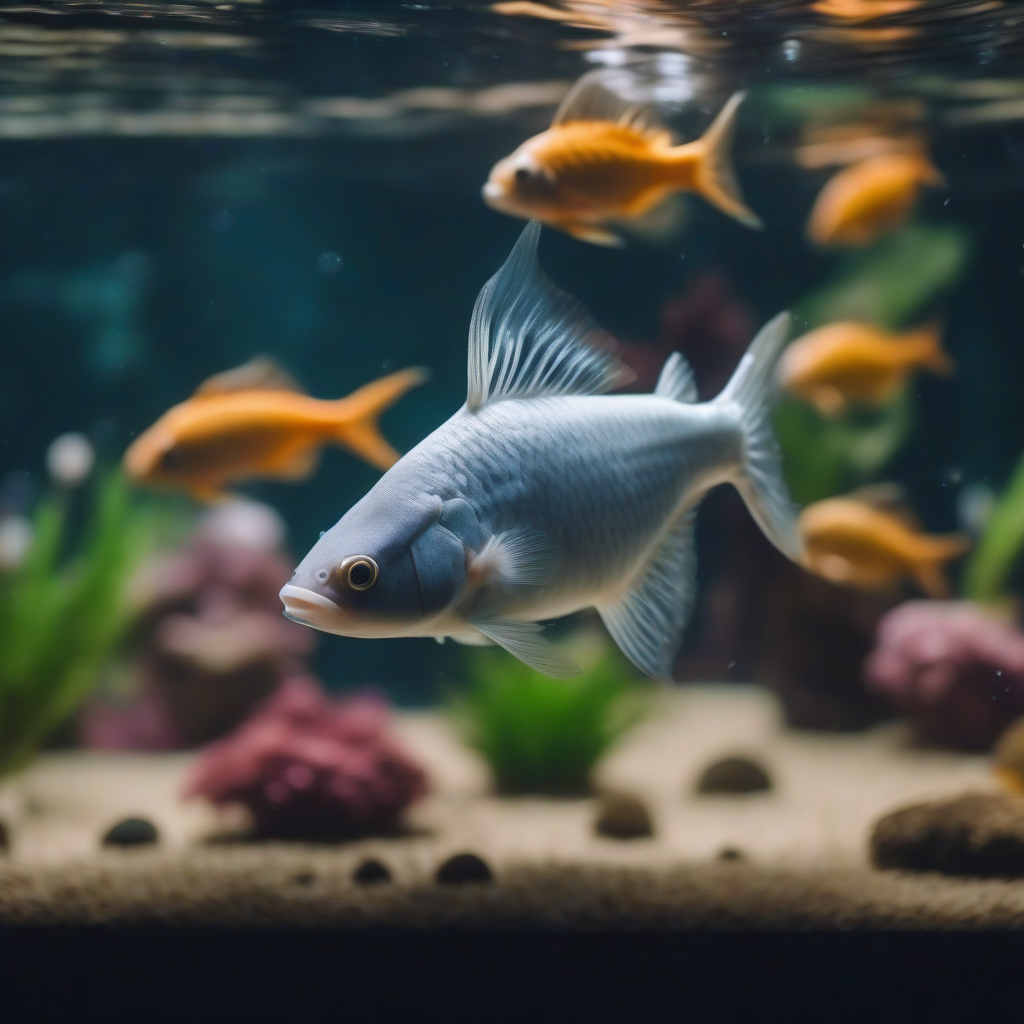
In this article, you will find comprehensive information on how to interpret the silent social signals your fish exhibit in the aquarium post-adoption, and scientific codes to create a peaceful social environment. Enhance your fish's well-being with overlooked behavioral cues and solutions.


In this article, you will discover the 5 insidious neurobiological effects of the Encephalitozoon Cuniculi parasite, which is often overlooked in rabbits but severely affects the brain, along with lifesaving early diagnosis methods.

In this article, we will deeply explore the insidious neurobiological effects of gut microbiome imbalance (dysbiosis) on your rabbit's brain health and provide scientific-based solutions to maintain mental vitality.

In this article, you can find comprehensive information on how pancreatitis in dogs not only affects the digestive system but also insidiously impacts the brain, its neuroinflammatory mechanisms, and lifesaving emergency intervention strategies.
Although fish are often perceived as silent and passive creatures, they actually possess complex social structures and communication mechanisms. Especially after adopting a fish or introducing a new species to your aquarium, understanding their 'silent emotional language' is key to creating a peaceful aquarium environment and ensuring the overall well-being of your fish. In this in-depth guide, we will explore how to scientifically decipher your fish's often-overlooked social signals and how to support them during post-adoption adaptation processes.
Even without vocal cords or complex facial expressions, fish are constantly communicating through their body posture, fin movements, color changes, and preferred locations. Correctly interpreting these signals is crucial for preventing potential conflicts, reducing stress, and enhancing the social harmony of your fish in the aquarium.
A fish's swimming style and body posture offer valuable insights into its social state. Rapid, jerky swimming, sudden movements, or rubbing against objects are often signs of stress or discomfort. In newly adopted fish, such behaviors can indicate environmental adaptation anxiety or fear of social exclusion. Conversely, slow, calm, and fluid swimming is a sign that the fish feels secure and comfortable. Abnormal postures, such as swimming head-down or sideways, usually indicate serious health issues or intense stress and may require immediate intervention.
Fish fins, much like a dog's tail, reflect their moods and social intentions. A tense or aggressive fish may flare and stiffen its fins, attempting to appear larger. This is often a warning or challenge signal. On the other hand, clamped or tucked fins can indicate fear, stress, or illness. The colors of fish also provide important clues about their social status. Stressed or sick fish often lose their coloration and appear pale. Fish with vibrant, bright colors generally indicate health and social activity. Colors may become even more pronounced during breeding periods or territorial rivalries.
Every fish needs a 'safe zone' in the aquarium. Newly adopted fish tend to hide frequently during the adaptation process to feel secure. However, constant hiding or remaining motionless in a specific corner can be a sign of severe stress or social exclusion by other fish in the aquarium. Providing adequate hiding spots and visual barriers in the aquarium helps reduce this stress. Furthermore, fish claiming specific territories is part of species-specific hierarchies or territorial competition. This can become more pronounced in crowded aquariums or when incompatible species are housed together. More in-depth information on this topic can be found in the article The Secret Social Hierarchy of Your Fish in the Aquarium: Scientific and Stress-Reducing Ways to Introduce New Species (March 2026).
The social needs of fish vary greatly from species to species. Some species prefer to live alone, while others thrive and are healthier in groups or pairs. Understanding these natural tendencies is fundamental to correctly structuring the social dynamics within the aquarium.
Some species, like Betta fish, are aggressive and territorial, and should therefore be kept alone. However, schooling fish like Neon Tetras or Zebra Danios feel more secure and exhibit their natural behaviors when kept in groups of at least 6-10 individuals. Schooling fish kept in insufficient numbers can become stressed, shy, or more aggressive than expected. Before adopting a new fish, it is vital to research its social requirements and compatibility with other species. The Secret Social Life of Your Fish in the Aquarium: Insidious Dangers of Group Dynamics and Scientific Secrets for Peaceful Coexistence offers more insights on this topic.
Just like other animals, individual 'personality' differences exist among fish. Some fish are inherently more dominant and aggressive, while others may be more timid and shy. These personality traits directly influence social dynamics in the aquarium. An aggressive fish can stress other fish, increasing the risk of disease, while an overly shy fish may not feed adequately or may feel insecure. Regular observation to identify your fish's individual characters and arranging the aquarium environment accordingly helps create a healthy social structure.
The adaptation process of a fish to a new aquarium requires careful management and observation. Here are some scientifically based strategies that can be applied to enhance the social well-being of fish post-adoption:
The physical design of the aquarium directly influences fish social behaviors. Adequate hiding places (plants, caves, rocks), visual barriers, and open swimming areas allow fish to feel secure and reduce territorial competition. A complex aquarium layout increases opportunities for fish to explore and interact, reducing stress and encouraging natural behaviors. The article Your Fish's 'New Home Stress': Hidden Scientific Codes of Aquarium Adaptation and Overlooked Secrets for a Peaceful Start! emphasizes the importance of this adaptation process.
Regularly observing and taking notes on your fish's behaviors helps you better understand their social signals. Recording which fish get along well with which species, which fish tend to hide, or when they are most active provides critical data for understanding aquarium social dynamics. Through this data, you can detect potential problems early and make necessary adjustments.
If you are adding new fish to your aquarium, it is important to follow a slow and controlled process rather than abrupt introductions. Keeping new fish in a separate tank (quarantine) for a short period before releasing them into the main aquarium prevents the spread of diseases and allows existing fish to get accustomed to the new arrivals. Additionally, turning off lights or adding distractions when introducing new fish to the main tank can reduce the initial shock. Your Fish's 'Invisible Commands': The Art of Behavioral Shaping in Aquariums and 5 Scientific Training Secrets offers tips to support behavioral adaptation during this process.
As fish owners, we play a crucial role in the social well-being of our fish. The way we shape their environment and interpret their behaviors directly influences harmony in the aquarium.
Fish thrive on routine and consistency. Feeding at specific times, regular water changes, and aquarium maintenance help fish feel secure in their environment. This consistency reduces their stress levels and positively affects their social interactions.
The placement of the aquarium and environmental factors have a significant impact on the social health of fish. Loud noises, sudden movements, or constant vibrations can cause stress in fish and negatively affect their social behaviors. Placing the aquarium in a quiet and calm location, avoiding sudden light changes, and minimizing visual stimuli outside the aquarium helps them live in a more peaceful social environment. Invisible Vibrations in the Aquarium: Insidious Acoustic Stress Threatening Your Fish's Emotional Health and the Scientific Secrets to Its Solution! provides scientific details on this topic.
In conclusion, understanding your fish's 'silent emotional language' requires patience, observation, and a scientifically-based approach. By carefully observing their body postures, fin movements, colors, and placement in the aquarium, you can accurately identify their social needs and create a peaceful, healthy aquarium community. Remember that every fish is an individual, and focusing on their unique needs will make your adoption experience much more meaningful.
