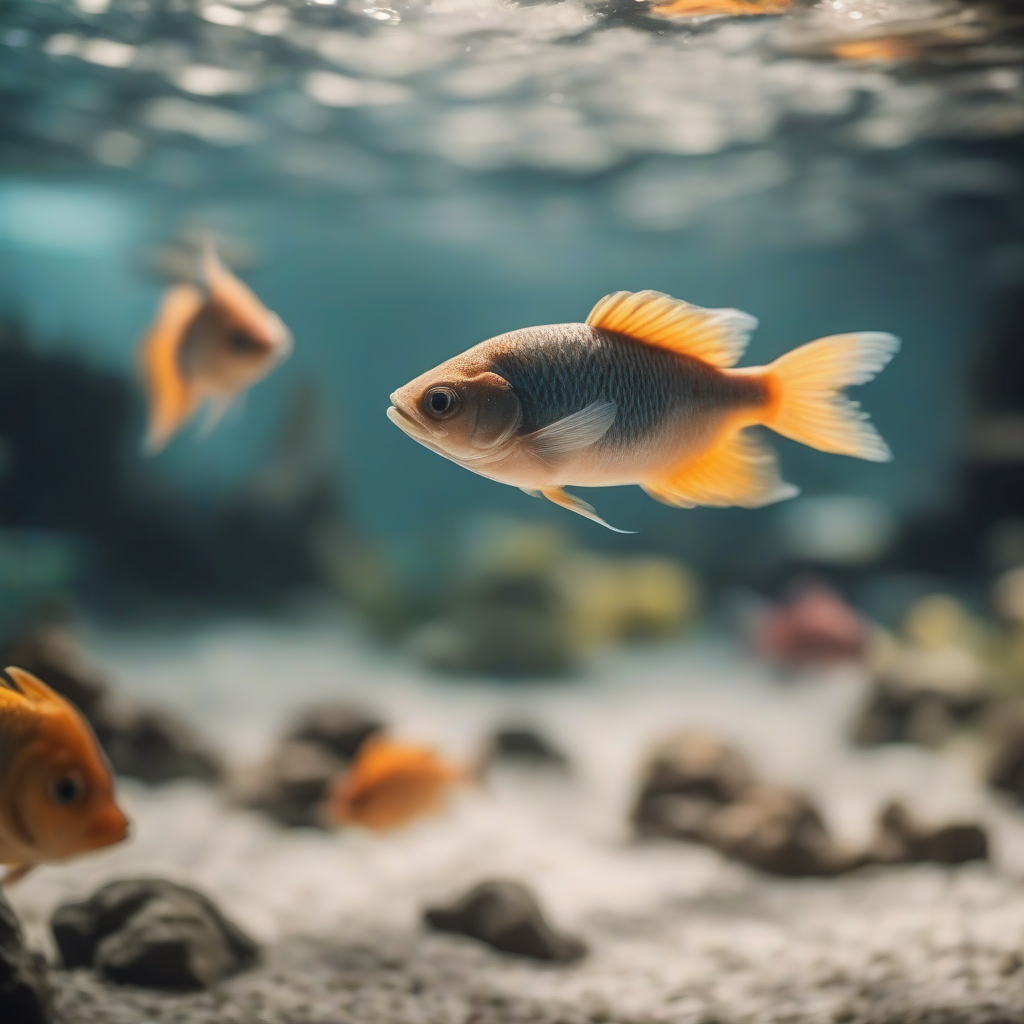
Explore the intricacies of fish social hierarchy in aquariums and learn how to introduce new species while minimizing stress factors. Create a peaceful environment in your aquarium with scientific methods.


In this article, you will discover the 5 insidious neurobiological effects of the Encephalitozoon Cuniculi parasite, which is often overlooked in rabbits but severely affects the brain, along with lifesaving early diagnosis methods.

In this article, we will deeply explore the insidious neurobiological effects of gut microbiome imbalance (dysbiosis) on your rabbit's brain health and provide scientific-based solutions to maintain mental vitality.

In this article, you can find comprehensive information on how pancreatitis in dogs not only affects the digestive system but also insidiously impacts the brain, its neuroinflammatory mechanisms, and lifesaving emergency intervention strategies.
The aquarium hobby offers a mesmerizing world filled with fish, creatures of vibrant and dynamic lives. However, in creating this aquatic paradise, a crucial aspect is often overlooked: the intricate social structures and hierarchies that fish establish among themselves. Especially when introducing new fish to an aquarium, understanding these invisible rules is vital for preventing potential conflicts and stress.
Many aquarists, when adding a new fish to an existing aquarium, merely check if the species is compatible. However, fish social intelligence is far more advanced than we often assume. The introduction of a new individual can be perceived as a threat by the existing population, leading to significant stress for both the newcomer and the resident fish. Scientific approaches, updated as of March 2026, offer specific strategies to make this transition process as smooth as possible.
Before introducing any new fish to the main aquarium, using a quarantine tank is the first and most important step. This process not only prevents the spread of potential diseases to existing fish but also creates a 'buffer zone' for the newcomer to physically and psychologically adapt to the new environment. This buffer zone operates on a similar principle to the need for cats to establish their own social territories, as discussed in Your Cat's 'Invisible Borders': Silent Territorial Wars in Multi-Cat Homes and Scientific Secrets for Peaceful Coexistence!. The new fish is observed during this period, its feeding habits are understood, and any potential health issues are detected early.
Once the quarantine period is successfully completed, it's time to introduce the new fish to the main aquarium. However, instead of rushing, an incremental introduction plan should be followed. Initially, the container with the new fish (e.g., a bucket or bag) is placed inside the main aquarium. This allows the fish to see each other without physical contact. This stage is called 'visual introduction' and should last for at least a few hours. Subsequently, a chemical introduction is achieved by mixing a portion of the water from the new fish's container with the main aquarium water (approximately 25%). This helps the fish recognize each other's 'scent profiles,' reducing the potential for threat perception. This method is crucial for maintaining overall peace in the environment, akin to the balance of water parameters discussed in Your Fish's Invisible Stressor: The Insidious Dangers of pH and Hardness Fluctuations in Aquariums and Scientific Secrets to Their Solution!.
Each fish species has its own unique social hierarchy. While some species are more peaceful, others can be highly territorial and aggressive. This is thoroughly examined in The Secret Social Life of Your Fish in the Aquarium: Insidious Dangers of Group Dynamics and Scientific Secrets for Peaceful Coexistence. When adding a new fish, it's essential to research the behavioral characteristics of the species beforehand and be aware of potential incompatibilities. For instance, introducing a passive fish next to a dominant one can trigger aggressive behavior from the resident fish. Therefore, observing the behavior of your current aquarium inhabitants and predicting how the new species might adapt to these dynamics is crucial.
Providing adequate space and hiding places within the aquarium is essential for fish to feel secure and avoid stress. When introducing a new fish, having areas where existing fish can escape or hide significantly reduces the potential for conflict. As highlighted in Your Fish's Secret Environmental Engineering: Micro-Cracks Disrupting Aquarium Balance and Secrets to Sustainable Health, this involves designing the aquarium's 'architecture' correctly. Plants, rock formations, and decorative objects allow each fish to create its own 'peaceful zone.'
Fish feeding habits also influence their social dynamics. When introducing a new fish to an established aquarium, feeding times need careful adjustment. If the resident fish feed rapidly and aggressively, the new fish's chance of accessing food may decrease. This can be a significant disadvantage, especially for smaller and more passive fish species. Therefore, it's important to feed fish calmly and ensure the new fish receives adequate nutrition. This is an extension of the correct feeding principles mentioned in Your Fish's 'Invisible Energy Flow': Hidden Macronutrient Secrets in Feed and Species-Specific Optimal Metabolic Balance!.
Understanding the social world of your fish is not just an aesthetic concern but a necessity for their physical and emotional well-being. Introducing new species while minimizing stress factors is the key to creating a more harmonious and peaceful living environment in your aquarium. By implementing these scientific approaches, updated with the latest information as of March 2026, you can both respect the hidden hierarchy among your fish and ensure the smooth integration of new individuals into the community. This is not merely a hobby but a practice of responsible animal care.
