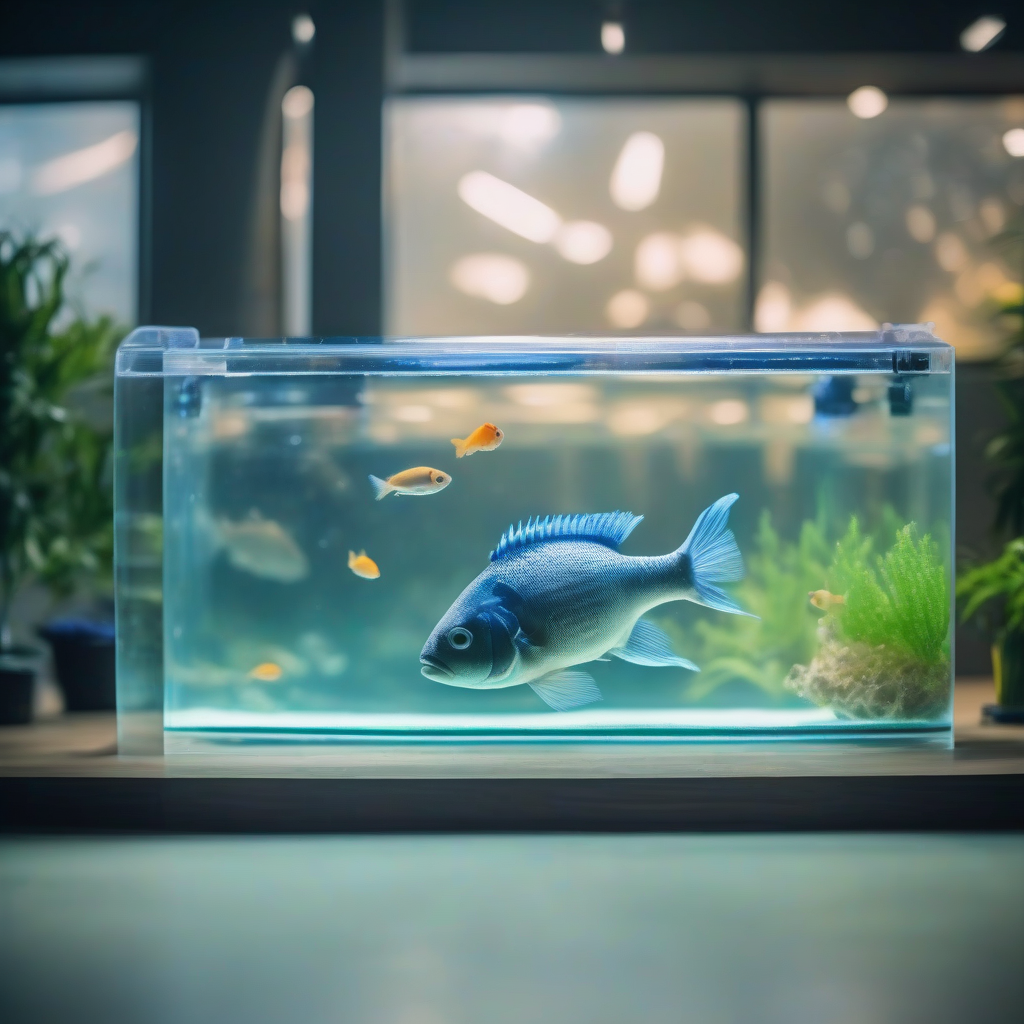
In this article, you will find comprehensive information on the scientific foundations, steps, and overlooked details of quarantine protocols you should implement before introducing new aquarium fish to your existing population. This is the key to protecting your aquarium from invisible disease and stress threats!


In this article, you will discover the 5 insidious neurobiological effects of the Encephalitozoon Cuniculi parasite, which is often overlooked in rabbits but severely affects the brain, along with lifesaving early diagnosis methods.

In this article, we will deeply explore the insidious neurobiological effects of gut microbiome imbalance (dysbiosis) on your rabbit's brain health and provide scientific-based solutions to maintain mental vitality.

In this article, you can find comprehensive information on how pancreatitis in dogs not only affects the digestive system but also insidiously impacts the brain, its neuroinflammatory mechanisms, and lifesaving emergency intervention strategies.
One of every aquarium owner's biggest nightmares is a new fish introducing disease to the entire tank population. However, this catastrophic scenario can be easily prevented with a scientifically based quarantine protocol. The health of your fish, much like their proper nutrition as stated in Your Fish's Invisible 'Mini Chefs': The Vital Secrets of Micronutrients in Feed and Insidious Deficiency Dangers!, is ensured through proper care and preventive steps. Here are the scientific secrets to creating an invisible shield for your aquarium and seamlessly integrating newcomers.
Aquariums are closed ecosystems, and every new organism introduced from the outside can carry potential pathogens (bacteria, viruses, parasites, fungi). These pathogens may be foreign to the immune systems of your existing tank inhabitants and can quickly spread, leading to serious diseases and mortalities. Quarantine is a scientific strategy designed to minimize this risk. It serves as an "intermediate station" for observing, acclimatizing, and treating possible diseases in new fish before they can infect the main tank.
When a fish is moved from one aquarium to another, it can experience significant stress due to new environmental conditions and social dynamics. Stress weakens the fish's immune system, making it more vulnerable to diseases. A quarantine tank makes this transition more controlled and less stressful, providing the necessary time for the fish to adjust to its new environment. During this period, the fish's behavior and health can be closely monitored, allowing potential issues to be resolved without risking the main tank. Quarantine also protects the biological balance of your aquarium; a sudden pathogen load is managed in an isolated environment without crashing your existing filter system.
A quarantine tank should be simple yet functional. Requirements include:
A tank that allows new fish to move comfortably, but not excessively large (average 5-10 gallons or 20-40 liters), is sufficient. An overly large tank can complicate dosage if medication is needed. For filtration, a small sponge filter or a hang-on-back filter is ideal for providing biological filtration. Since it's a new tank, a bit of filter media from your main tank can be added to kickstart the biological cycle quickly. This helps prevent fish from being exposed to toxic substances like ammonia and nitrite.
Maintaining a stable water temperature is critical; a heater helps reduce stress for the new fish. Simple lighting is sufficient. A regular lighting cycle, as mentioned in Your Fish's 'Invisible Light Dance': Insidious Biological Clock Triggers of Aquarium Lighting and Secrets to Optimal Health!, is important for the new fish's adaptation process. This helps maintain the fish's natural biological rhythm. Decorations should be kept minimal, easy to clean, and include a few small objects for fish to hide (PVC pipe sections, sterile plants). The use of sand or gravel can increase the risk of pathogen accumulation and complicate medication, so it is generally not recommended. Positioning the quarantine tank in a separate room or at least a quiet area away from the main aquarium also helps reduce fish stress.
Water parameters (pH, temperature, hardness) in the quarantine tank should be identical or very close to your main tank. This minimizes stress for the fish and reduces the risk of shock. Regularly checking these parameters with water test kits throughout the quarantine period is critical for maintaining a healthy environment.
Following specific steps is vital for successfully managing the quarantine process:
Once the quarantine period is successfully completed, you should still implement a slow adaptation process before transferring your fish to the main tank. The drip acclimatization method or gradually adding water is best for getting them accustomed to the new water parameters. This prevents physical shock and ensures a smoother social integration into the existing population. Continue to observe the new fish for the first few days after adding it to the main tank, minimizing any stress it might experience while finding its place in the social hierarchy.
While quarantine may initially seem like an extra effort, it is an indispensable scientific practice for the long-term health and tranquility of your aquarium. This "invisible shield" not only reduces stress for your newcomers but also protects your existing ecosystem from potential dangers. Remember, a healthy aquarium is the result of conscious and preventive care. Do not skip this scientific step for the well-being of all living creatures in your aquarium.
