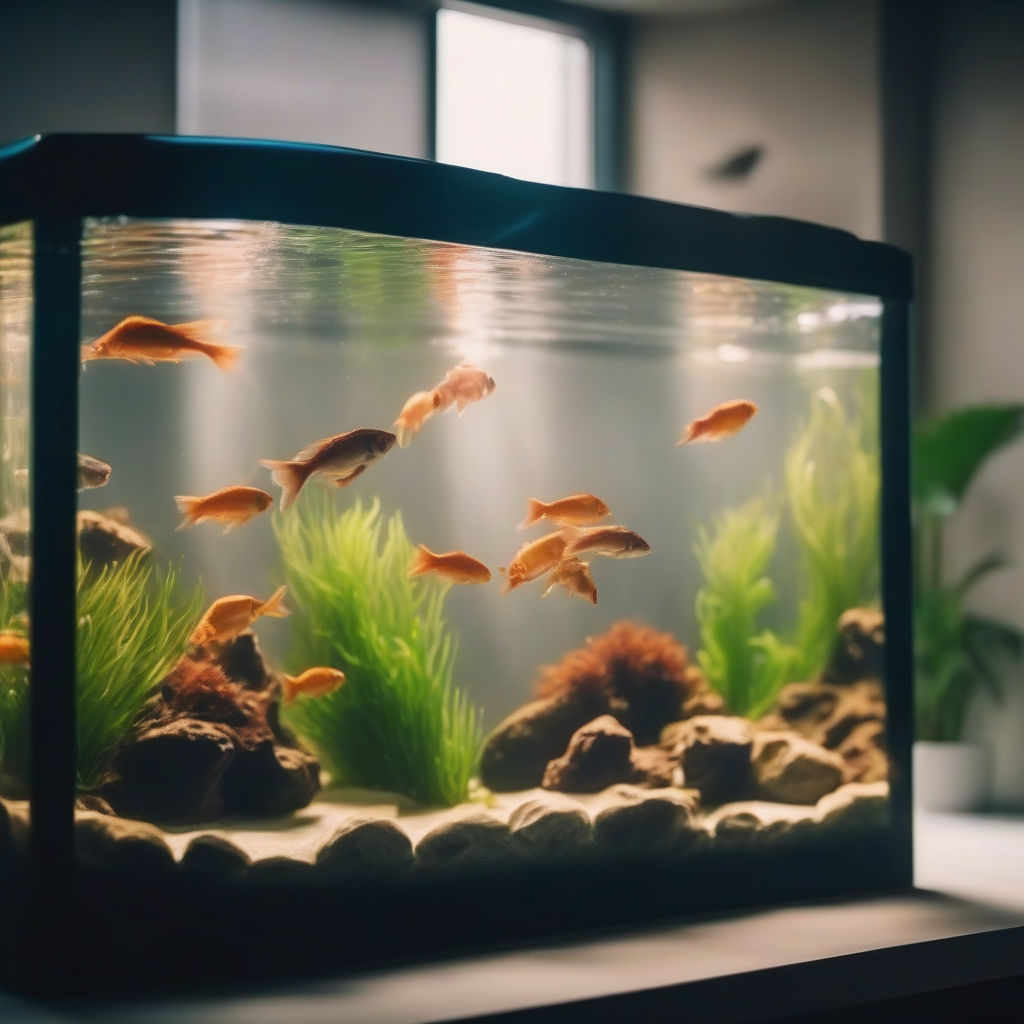
In this article, you will find comprehensive information on how the lighting in your fish's habitat profoundly affects their biological clocks and overall health, exploring overlooked scientific secrets and optimal solutions.


In this article, you will discover the 5 insidious neurobiological effects of the Encephalitozoon Cuniculi parasite, which is often overlooked in rabbits but severely affects the brain, along with lifesaving early diagnosis methods.

In this article, we will deeply explore the insidious neurobiological effects of gut microbiome imbalance (dysbiosis) on your rabbit's brain health and provide scientific-based solutions to maintain mental vitality.

In this article, you can find comprehensive information on how pancreatitis in dogs not only affects the digestive system but also insidiously impacts the brain, its neuroinflammatory mechanisms, and lifesaving emergency intervention strategies.
Aquarium lighting is often seen merely as an aesthetic element or a necessary tool for plant growth. However, for your fish, light holds a vital, perhaps even more profound, significance than water quality, feeding, and habitat arrangement. In the world of fish, light is much more than a simple visual aid; it is a powerful trigger that 'silently' governs their biological clocks, hormonal balance, immune systems, and even social behaviors. In this article, we will deeply explore the invisible effects of aquarium lighting on your fish, overlooked scientific secrets, and optimal lighting strategies for a healthy life.
Like all living creatures, fish possess daily (circadian) rhythms. These rhythms regulate numerous physiological processes, from sleep-wake cycles to reproduction, feeding, and immune system function. The most powerful external trigger for these biological clocks is light. The duration, intensity, and even spectrum of lighting in your aquarium must mimic the day cycle your fish are exposed to in their natural habitats. An incorrect lighting regime can disrupt their biological clock, leading to chronic stress, hormonal imbalances, and consequently, diseases.
In fish, similar to humans, the hormone melatonin, secreted during the dark cycle, plays a key role in sleep, stress response, and reproductive cycles. Continuous or irregular lighting can disrupt melatonin production, disturbing your fish's resting patterns, increasing their stress levels, and negatively impacting their reproductive potential. A correctly adjusted photoperiod (light-dark cycle) is the first step in maintaining their hormonal balance and enhancing their well-being.
There are significant differences between the light spectrum perceived by our eyes and that of fish. Many fish species can perceive ultraviolet (UV) light, which is invisible to the human eye, while some perceive the red spectrum more weakly. This impacts vital behaviors such as mate selection, foraging, and hiding. When choosing aquarium lighting, it's essential to pay attention not only to general brightness but also to the spectral quality of the light. Lighting systems that mimic the underwater light conditions of natural habitats and offer a balanced spectrum not only make your fish's colors more vibrant but also allow them to exhibit their natural behaviors.
While the optimal photoperiod varies depending on the fish species and aquarium setup, a light duration of typically 8 to 12 hours is recommended. Longer periods of lighting can increase stress, accelerate algae growth, and prevent fish from getting the rest they need. Insufficient lighting, on the other hand, inhibits plant growth and can cause fish colors to fade and activity levels to decrease.
Intensity: Light intensity is also crucial. Overly bright light can be a significant stressor, especially for light-sensitive species or those that live in shaded areas in their natural environment. Providing sufficient shaded areas (Your Fish's Secret Environmental Engineering: Micro-Cracks Disrupting Aquarium Balance and Secrets to Sustainable Health) creates an environment where your fish can relax when desired.
An incorrectly adjusted lighting regime can lead to subtle, hard-to-notice health problems in your fish:
It is possible to optimize your aquarium lighting with scientific data for the health and well-being of your fish:
Aquarium lighting is not just a window through which your fish see the world, but also the key to their internal biological regulation. By correctly understanding and implementing this 'invisible light dance,' you can create a healthier, more natural, and happier habitat for your aquarium inhabitants. Remember, proper lighting is one of the foundational pillars of a healthy aquarium and directly affects your fish's overall well-being. Your attention to this detail will prolong their lives and improve their quality of life.
