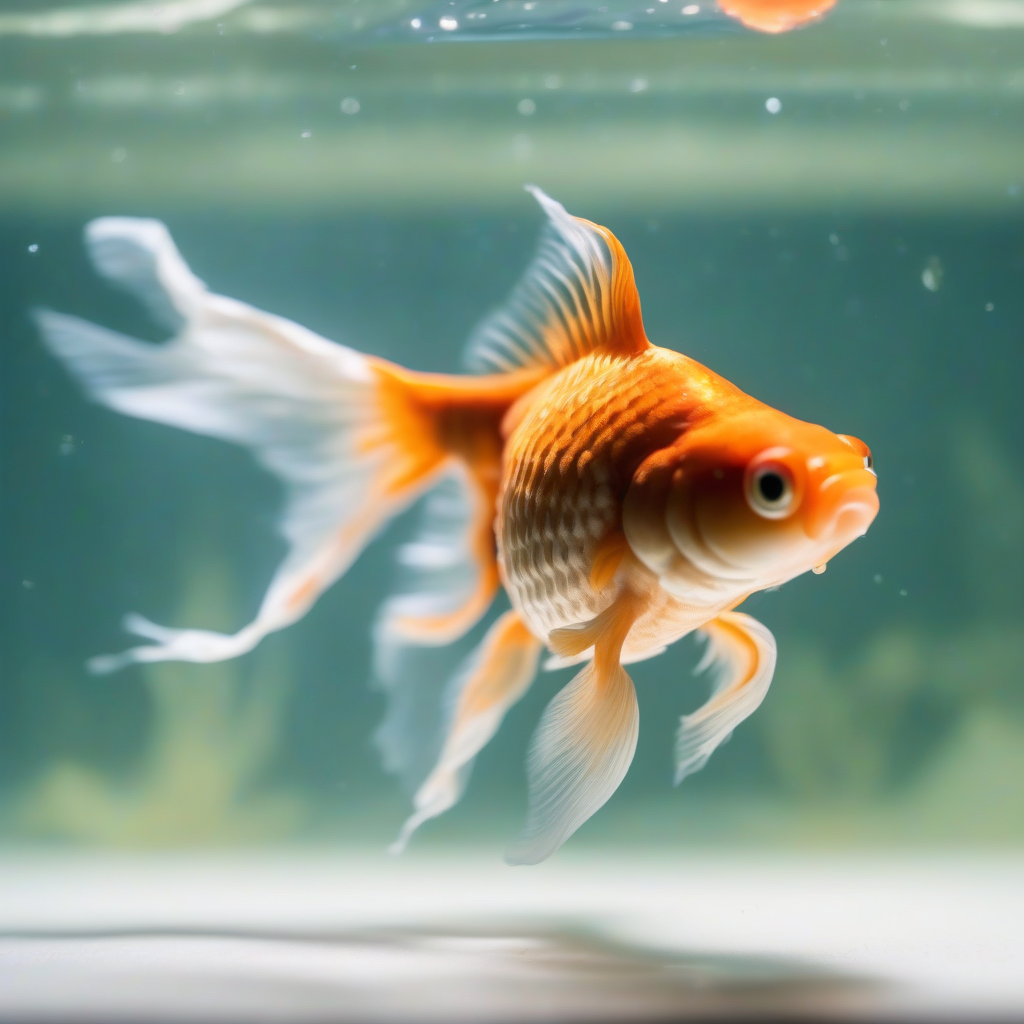
In this article, you will find comprehensive information about the vital swim bladder organ of your fish, common problems, and scientifically proven strategies to protect this 'invisible balancer'.


In this article, we will deeply explore the insidious neurobiological effects of gut microbiome imbalance (dysbiosis) on your rabbit's brain health and provide scientific-based solutions to maintain mental vitality.

In this article, you can find comprehensive information on how pancreatitis in dogs not only affects the digestive system but also insidiously impacts the brain, its neuroinflammatory mechanisms, and lifesaving emergency intervention strategies.

Discover the 5 insidious effects of overfeeding, one of the most stealthy threats to your fish's health, causing neurometabolic destruction in their brains, and learn scientific feeding strategies to prevent this demise. Uncover the silent danger in your aquarium!
Have you ever wondered about the hidden engineering marvel behind your fish gracefully gliding, effortlessly ascending and descending the depths and surface of your aquarium? This engineering is a small, gas-filled organ called the "swim bladder." This organ, which enables fish to float, sink, and remain balanced in the water column without effort, is essentially their 'invisible swim balancer.' However, when this delicate system malfunctions, your fish's life can literally be turned upside down.
In March 2026, as we focus on fish health, we recognize how common and often overlooked swim bladder problems are. These insidious conditions can lead to irreversible consequences if not detected early. So, what is the swim bladder, why is it so important, and how can we protect this vital organ of our fish? Let's unveil its scientific codes.
The swim bladder (or gas bladder) is a gas-filled organ located in the body cavity of fish, and its primary function is to maintain the fish's buoyancy in water, allowing it to stay at a certain depth without sinking or floating to the surface. It works much like the ballast tanks of a submarine. The fish adjusts its specific gravity by regulating the volume of gas, adapting to pressure changes at different depths of the water. This delicate balance is vital for the fish's feeding, escaping predators, and finding mates.
The swim bladder controls its volume by absorbing or releasing gases such as oxygen and nitrogen from the bloodstream via gas-secreting glands (red gland) and gas-absorbing glands (oval gland). This process varies depending on the fish species. In some fish (physostomes), the swim bladder is connected to the intestine by a tube (pneumatic duct), and the fish can adjust the gas volume by gulping or expelling air. In others (physoclists), there is no tube, and gas exchange occurs entirely through the bloodstream. Even a minor malfunction in this complex system leads to serious health problems.
Swim bladder issues usually do not appear suddenly; they often have an insidious onset, and their symptoms can be easily overlooked. Careful observation by fish owners is critical for early intervention.
This is the most obvious sign of swim bladder problems. Be cautious if you notice your fish swimming in unusual ways:
Swim bladder issues are not due to a single cause; they often result from a combination of environmental, nutritional, or pathological factors.
Sudden increases in ammonia, nitrite, and nitrate levels, inappropriate pH, or temperature fluctuations weaken fish's immune systems and make them more susceptible to infections. For detailed information on the effects of such environmental factors on fish health, please refer to the article Your Fish's 'Invisible Chemical Stress': Insidious Toxin Sources in the Aquarium and Lifesaving Secrets of Biological Balance!. Additionally, a faulty biological filter can exacerbate these problems; reading our article on The Invisible 'Biological Filter Catastrophe' in Your Fish Aquarium: The Silent Collapse of Bacterial Colonies and 5 Scientific Secrets to Saving the Ecosystem! will be beneficial.
Bacterial infections (e.g., Aeromonas or Pseudomonas species), viral infections, or parasites can cause inflammation or damage to the swim bladder. These pathogens typically affect fish with weakened immune systems.
Some species, especially fancy goldfish, are genetically more prone to swim bladder problems. Their short, rounded body shapes can compress internal organs, putting pressure on the swim bladder.
Situations such as bumping into hard objects in the aquarium or fighting with other fish can cause physical harm to the swim bladder.
When you notice symptoms of a swim bladder problem in your fish, quick and correct intervention is crucial. Here are scientifically based strategies you can apply:
The first step is to check the quality of the aquarium water. Immediately measure ammonia, nitrite, nitrate, pH, and temperature values using water test kits. If there are unusual values, restore balance by performing a partial water change immediately. Clean and balanced water will reduce the fish's stress and support the healing process. It's also important to always be prepared for sudden poisoning situations; you can read the article Your Fish's Sudden Poisoning Crisis: Neutralize Invisible Aquarium Threats in 5 Minutes! for more on this.
For fish with severe swim bladder problems, adapt the aquarium environment:
If the above steps do not work or your fish's condition worsens, contacting an aquatic veterinarian is essential. A veterinarian can conduct a thorough examination to diagnose infections and prescribe appropriate antibiotics, antiparasitics, or anti-inflammatory medications. In some cases, a minor surgical procedure might even be necessary to relieve excessive gas in the swim bladder.
The best way to prevent swim bladder problems is to be proactive:
The swim bladder is a critical organ that directly affects the quality of life of your fish in their underwater world. Paying attention to the health of this 'invisible balancer' ensures your fish continue to swim happily, healthily, and effortlessly in your aquarium. Recognizing insidious signals and acting with scientific strategies can save your fish's life and is key to providing them with the care they deserve.
