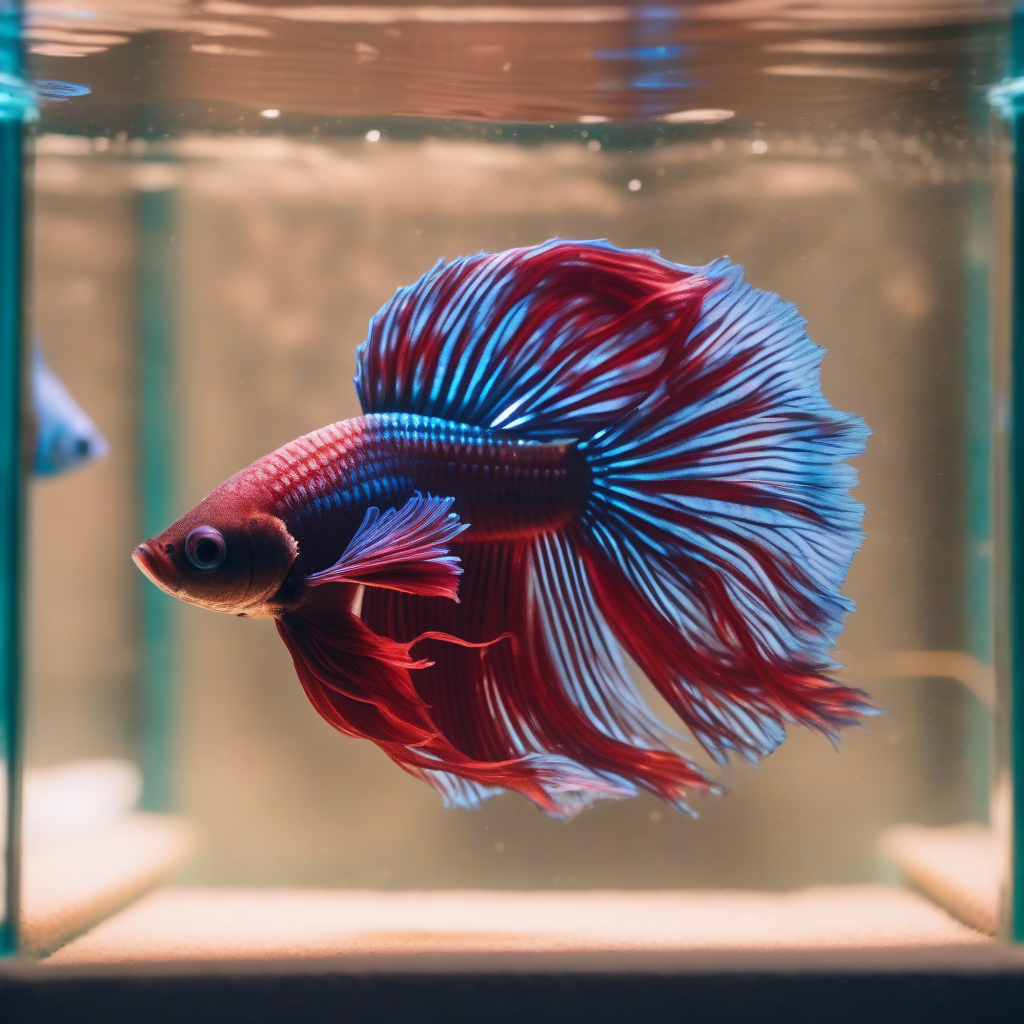
Discover your fish's intelligence and learning ability! In this article, learn how fish can trigger their brain development with complex games in an aquarium environment, revealed through 5 scientific secrets.


Discover the neurobiological signals of hidden stress your newly adopted cat experiences during adaptation to a new social environment. This article reveals 5 insidious signs of your cat's silent struggle and scientific strategies for peaceful, long-term harmony.

Your dog's anal sacs, located beneath the tail, can be hidden alarm bells often overlooked but profoundly affecting their quality of life. In this article, you will discover the 5 insidious neurobiological effects of anal sac problems on the brain and the lifesaving care secrets you need to know for your furry friend to live a peaceful life.
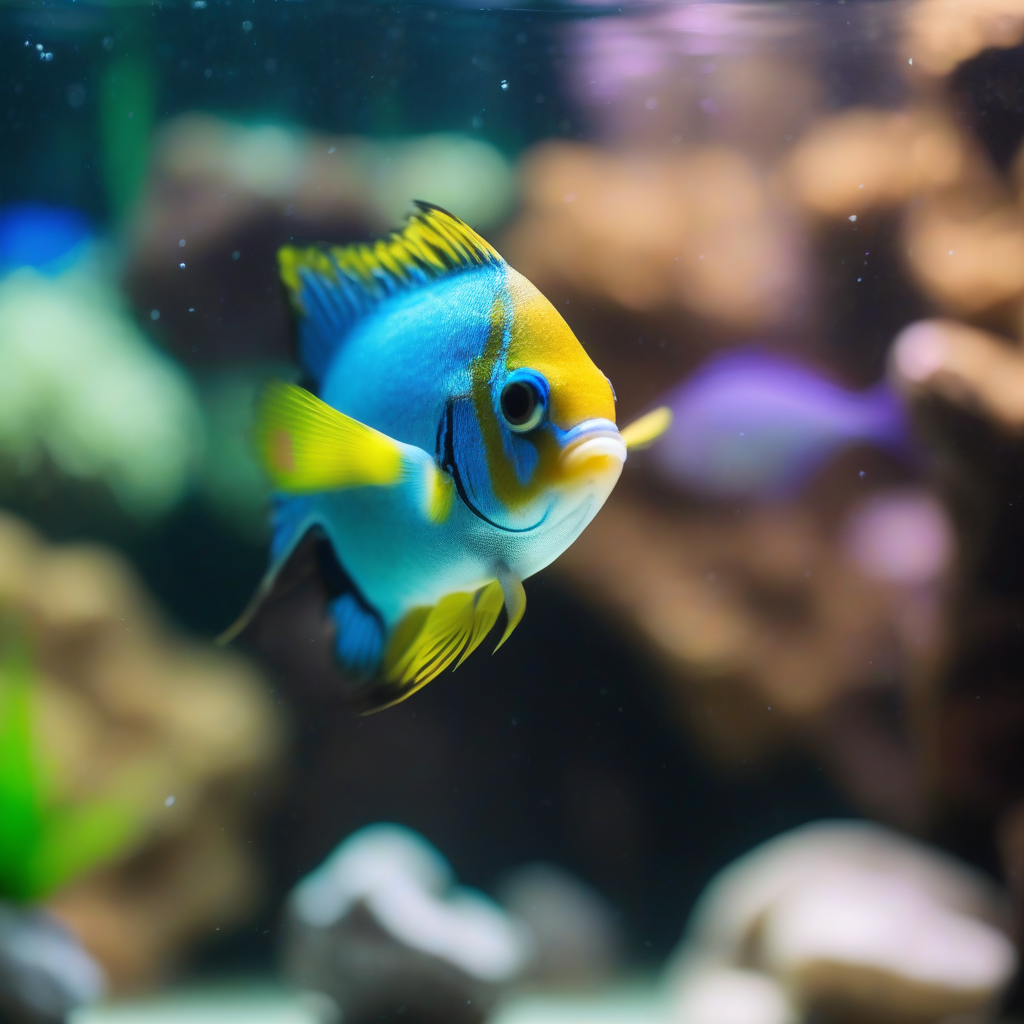
In this article, you will find comprehensive information on the insidious neurotoxic effects of heavy metal poisoning in aquarium fish, its symptoms, and lifesaving emergency intervention codes. This condition, which can arise from household water sources, improper equipment, or neglect, can severely threaten your fish's quality of life and lifespan.
Your aquarium is more than just a body of water; it's an endless laboratory for learning and discovery for your fish. While most pet owners may view fish as simply swimming and eating creatures, scientific research reveals they possess surprisingly complex cognitive abilities. So, how can you unlock your fish's hidden mind map and maximize this potential? The answer might be more playful than you think.
The complex social interactions, foraging strategies, and environmental adaptation mechanisms in fish's natural habitats indicate they possess advanced cognitive skills. Fish deprived of this natural behavioral richness in an aquarium environment can experience both mental and physical stagnation. 'Gamification,' or more scientifically, environmental enrichment, is an effective way to break this stagnation by stimulating your fish's brain, reducing stress levels, and improving overall well-being.
This involves more than just a simple feeding routine. It's possible to design activities that will strengthen your fish's neurological connections, sharpen their problem-solving skills, and even enhance their learning capacity. Here, we share 5 scientific secrets to unlock your fish's mental potential:
Fish can navigate complex routes to find food in their natural environments. By creating simple mazes in your aquarium that mimic this ability, you can test your fish's cognitive skills. Mazes made of transparent tubes or other aquarium-safe materials, with a start and an end point, encourage your fish to find its way to the food source.
Teaching fish to respond to objects or food items of specific colors enhances their visual perception and memory abilities. Initially, using a distinct color (e.g., blue), you can reward your fish when it approaches or touches an object of that color. Over time, they are expected to improve in discriminating colors and associating them with different cues.
As detailed in Your Fish's 'Secret Learning Map': 5 Neurocognitive Secrets to Understanding Simple Commands in the Aquarium!, fish responding to simple commands is surprisingly possible. You can start by holding a target stick (e.g., a colorful, aquarium-safe stick) and encouraging your fish to touch it. Reward gently when it does. Over time, you can create new responses by changing the color or position of the target stick.
For social species, activities that mimic intra-aquarium social dynamics are important. For instance, if you have multiple fish, you can encourage them to interact around a new, safe object that is slowly introduced. This allows you to observe social behaviors such as leadership, cooperation, or a collective response to something new.
By periodically making minor changes to the decorations or plants in your aquarium, you can keep your fish's curiosity alive. Adding a new plant, moving a rock, or creating a safe swimming path encourages your fish to explore its environment and adapt to new arrangements. This can also enrich your fish's interaction with natural currents, similar to Your Fish's 'Secret Water Dance': Neurobiological Secrets of Microcurrents in the Aquarium and 5 Critical Biomechanical Adjustments for Maximum Welfare!.
Thinking of your fish as mere passive observers is a significant mistake. They are beings that learn, remember, and solve problems with the right stimuli and 'games.' By implementing these scientifically based training strategies, you can transform your aquarium from just an aesthetic object into a vibrant 'intelligence park' that supports your fish's mental and physical health. Remember, every fish has its own unique learning map; discovering it is up to you!
