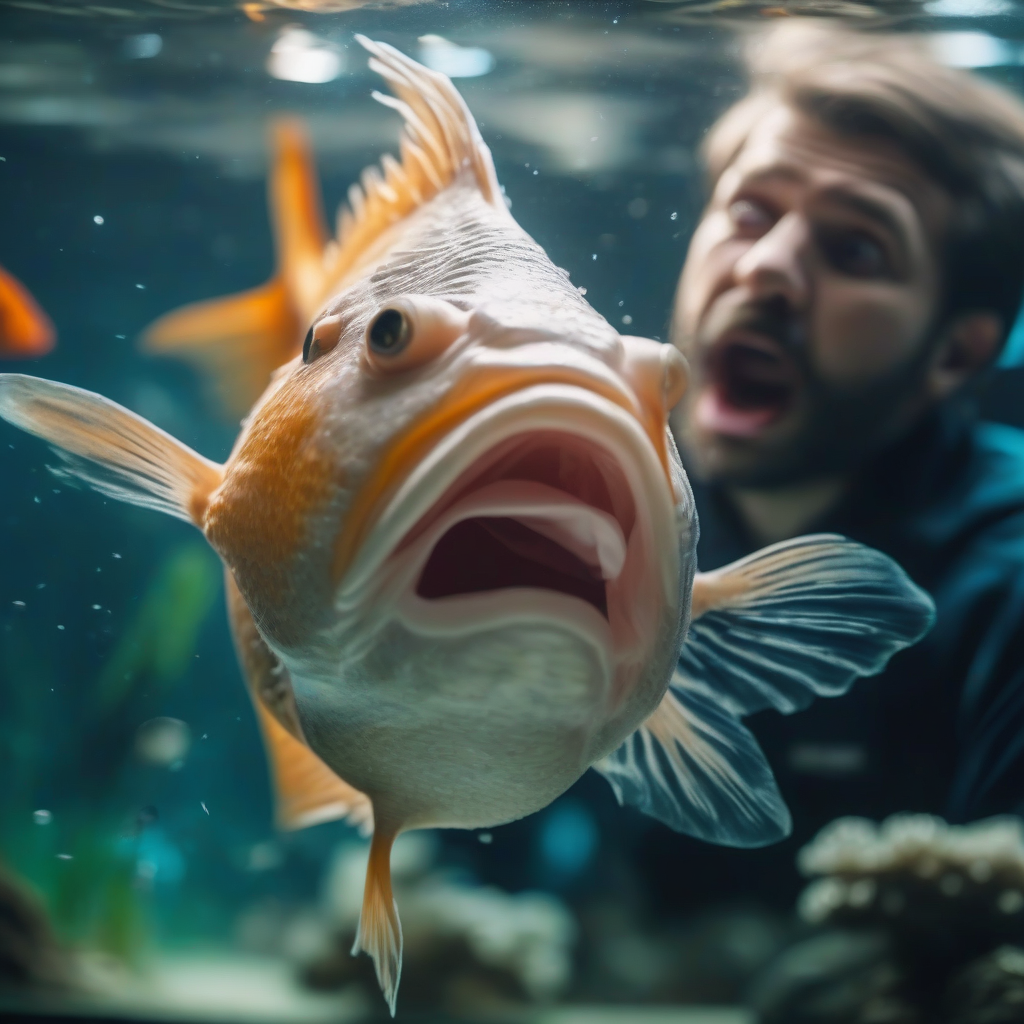
Your fish's inability to breathe or sudden respiratory distress is a serious emergency. In this guide, you will learn the vital interventions and critical points to consider in such crisis situations in your aquarium within 5 minutes.


Discover the types of burns your dog can suffer, the 5 insidious neurophysiological effects these burns create in the brain and body, and lifesaving emergency intervention strategies in this comprehensive guide. We shed light on the dangers behind forgotten household accidents from a scientific perspective.

Discover the neurobiological signals of hidden stress your newly adopted cat experiences during adaptation to a new social environment. This article reveals 5 insidious signs of your cat's silent struggle and scientific strategies for peaceful, long-term harmony.

Your dog's anal sacs, located beneath the tail, can be hidden alarm bells often overlooked but profoundly affecting their quality of life. In this article, you will discover the 5 insidious neurobiological effects of anal sac problems on the brain and the lifesaving care secrets you need to know for your furry friend to live a peaceful life.
As a dedicated aquarium hobbyist, witnessing your cherished aquatic friend facing a sudden health crisis can be terrifying. Sudden respiratory distress in fish is a serious emergency that cannot be ignored. A multitude of factors can contribute to this condition, and every second counts. In this guide, you will learn the critical, science-based, and potentially life-saving intervention steps you can take within 5 minutes if your fish stops breathing or experiences sudden difficulty breathing in your aquarium.
Respiratory distress in fish often stems from environmental factors such as sudden changes in water quality, low oxygen levels, or the presence of harmful substances within the aquarium. However, more complex internal issues can also play a role. Recognizing these insidious threats early can shorten the intervention time and increase your fish's chances of survival.
Overstocked aquariums, inadequate filtration, or sudden temperature fluctuations can dangerously lower the dissolved oxygen levels in the water. Fish may react to this oxygen scarcity by swimming near the surface or exhibiting rapid gill movements. If your fish is constantly gasping at the surface and its gills are moving rapidly, this is a sign of an emergency.
Using chlorinated water, medication residues, excessive fertilization, or even harmful chemicals released from some aquarium decorations can be fatal to fish. Symptoms of poisoning include rapid breathing, erratic swimming, tremors, and noticeable color changes. In such cases, swift intervention is crucial.
Gill infections, parasites, or other diseases can directly affect a fish's respiratory functions. If your fish's gills appear abnormal, are covered in mucus, or its movements have slowed, this could be a sign of illness requiring immediate veterinary attention.
As soon as you notice signs of sudden respiratory distress in your fish, calmly follow these steps. Each step is designed to increase your fish's chance of survival:
As always, preventive measures are the best approach to fish health. By implementing these steps, you can significantly reduce the likelihood of your fish experiencing sudden crises:
Sudden respiratory distress in your fish is an emergency, and quick, correct intervention can be life-saving. By following the steps in this guide and implementing preventive measures, you can maintain your fish's health and well-being at the highest level. Remember, the best approach is always to be informed and vigilant. Do not hesitate to consult with your veterinarian in case of doubt.
