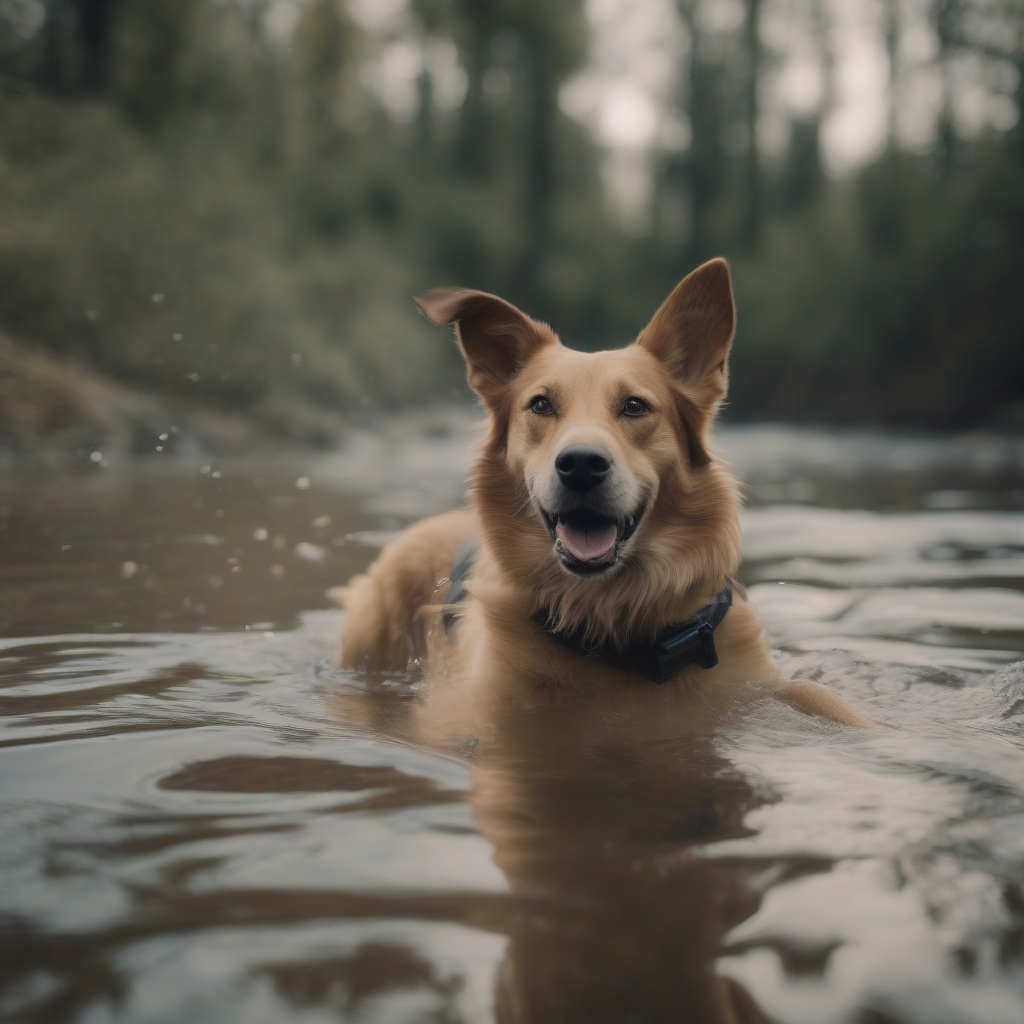
In this article, you will find in-depth information on 'Silent Observation,' an overlooked aspect of dog training. Discover tips for increasing your dog's environmental awareness and overcoming undesirable behaviors with scientific methods.


Discover the types of burns your dog can suffer, the 5 insidious neurophysiological effects these burns create in the brain and body, and lifesaving emergency intervention strategies in this comprehensive guide. We shed light on the dangers behind forgotten household accidents from a scientific perspective.

Discover the neurobiological signals of hidden stress your newly adopted cat experiences during adaptation to a new social environment. This article reveals 5 insidious signs of your cat's silent struggle and scientific strategies for peaceful, long-term harmony.

Your dog's anal sacs, located beneath the tail, can be hidden alarm bells often overlooked but profoundly affecting their quality of life. In this article, you will discover the 5 insidious neurobiological effects of anal sac problems on the brain and the lifesaving care secrets you need to know for your furry friend to live a peaceful life.
When people think of dog training, commands like sit, stay, and come often come to mind. However, your dog's mere obedience to these commands may not be enough for a truly balanced and happy life. There is a less-known yet equally critical dimension to the world of dog training: 'Silent Observation.' This means your dog processes their surroundings with awareness and calmness, making them more prepared for unexpected situations, thereby preventing undesirable behaviors.
Silent Observation is your dog's ability to consciously analyze environmental stimuli, rather than just reacting to them. For example, instead of barking immediately upon hearing a sound, it's the ability to assess the sound's source, intensity, and potential threat level. This skill prevents your dog from overreacting, becoming fearful, or aggressive. Dogs with this ability are generally more balanced, confident, and adaptable to their environment.
This is vital, especially for dogs living in urban environments. Constantly changing sounds, movements, and crowds can be a significant source of stress for sensitive dogs. Your dog's ability to remain calm in these complex settings directly impacts their quality of life. This is where not just obedience training, but also training methods that enhance your dog's environmental awareness and give them a sense of control, come into play.
Increasing your dog's environmental awareness requires patience, consistency, and the right methods. Here are scientific approaches to help you:
Enriching your dog's mental and sensory world helps them understand their environment better. This can be achieved with toys of different textures, scented mats, or occasional changes in home layout. For instance, the importance of habitat arrangement mentioned in Your Hamster's Secret Architect: The Psychological Power of Habitat Arrangement and Scientific Secrets to Boosting Well-being (March 2026) applies to dogs as well. Diversifying your dog's living space enhances their ability to adapt to new situations.
Ensuring your dog has positive interactions not only with people but also with various sounds, sights, and smells is crucial. This makes them more resilient to new situations. For example, you can observe their reaction to different sounds during a calm walk in the park and reward them for a positive response. However, this socialization should not push your dog's boundaries. If you feel your dog is overly stressed, understanding their SOS signals and building trust, as discussed in articles like 'Silent Leadership' in Your Cat's New Home: Ununderstood SOS Signals Post-Adoption and 5 Scientific Codes for Building Trust, should be the fundamental principle.
These exercises teach your dog to notice a specific stimulus and only react when you permit it. For instance, instead of immediately barking when the doorbell rings, you can have your dog hear the bell, make eye contact, and then give a calming reward. This helps your dog understand that you are in control and they don't need to bark at every sound. Similarly, the principle of understanding meanings beyond sound in Your Bird's 'Secret Communication Protocols': Deciphering Meanings Beyond Sound and Reducing Stress in Seconds plays a role in dogs understanding the depth of environmental stimuli.
Silent Observation skills address the root of many undesirable behaviors and offer scientifically-based strategies to resolve them.
Situations where your dog barks suddenly, becomes fearful, or overly excited often stem from a lack of environmental awareness. If your dog experiences tension in social settings, understanding the adaptation process from articles like 5 'Silent' SOS Signals Overlooked in Your Dog's New Home Adaptation: Deciphering Scientific Codes for a Peaceful Transition is important. Controlled exposure and positive reinforcement techniques should be used to help your dog process environmental stimuli more calmly. For example, for a dog afraid of the vacuum cleaner, running the vacuum at a distance and rewarding them for staying calm can help overcome this fear.
Your dog's excessive aggression when the doorbell rings or someone visits is often due to a loss of control and a perceived threat. Silent observation training teaches your dog to remain calm towards stimuli like doorbells and wait for your direction. This allows your dog to assess the situation rather than just barking. When combined with strategies from Your Dog's Hidden Sound Map: Invisible Noise Pollution at Home and Scientific Secrets to Creating a Calming Sanctuary!, this training becomes even more effective.
Your dog's constant high energy and inability to calm down is also an imbalance issue. Silent observation prevents your dog from expending unnecessary energy by enabling them to react more consciously and controllably to environmental stimuli. This is especially important for high-energy breeds. Training helps your dog remain balanced both mentally and physically.
'Silent Observation' training is the key to strengthening the bond with your dog and living in greater harmony with them. This training ensures your dog is not just obedient but also an understanding, calm, and confident individual who comprehends their environment. Remember, every dog is unique, and a scientifically-based training plan tailored to their needs will guarantee happiness for both you and your furry friend in the long run.
