
Gastric Dilatation-Volvulus (GDV), commonly known as bloat, is a stealthy and rapidly fatal emergency in dogs. This article delves into 5 subtle signs of GDV risk and the lifesaving 'Golden Hour' protocol, backed by scientific insights.


Discover the neurobiological signals of hidden stress your newly adopted cat experiences during adaptation to a new social environment. This article reveals 5 insidious signs of your cat's silent struggle and scientific strategies for peaceful, long-term harmony.

Your dog's anal sacs, located beneath the tail, can be hidden alarm bells often overlooked but profoundly affecting their quality of life. In this article, you will discover the 5 insidious neurobiological effects of anal sac problems on the brain and the lifesaving care secrets you need to know for your furry friend to live a peaceful life.
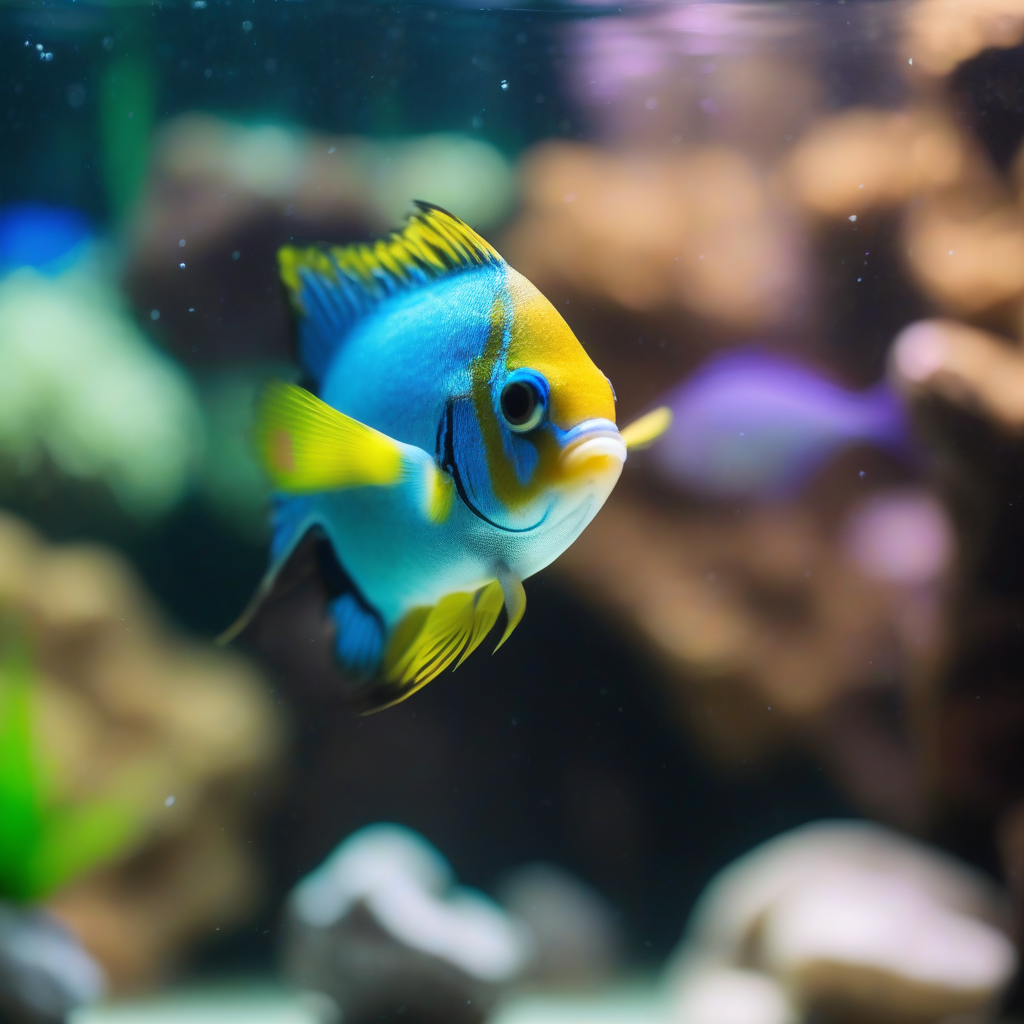
In this article, you will find comprehensive information on the insidious neurotoxic effects of heavy metal poisoning in aquarium fish, its symptoms, and lifesaving emergency intervention codes. This condition, which can arise from household water sources, improper equipment, or neglect, can severely threaten your fish's quality of life and lifespan.
One of the greatest fears for dog owners is facing a sudden, life-threatening health crisis with their beloved companion. Among these crises is Gastric Dilatation-Volvulus (GDV), commonly known as bloat or gastric torsion. GDV is a true 'silent bomb' due to its insidious onset and its ability to become fatal within minutes. While it's frequently observed in large, deep-chested breeds such as Great Danes, German Shepherds, Boxers, Rottweilers, and Weimaraners, it can affect dogs of any age and breed. This article will scientifically explore the physiological mechanisms of bloat, 5 often-overlooked insidious signs, and the critical 'Golden Hour' protocol that can save a dog's life.
Bloat occurs when a dog's stomach becomes excessively distended with gas, fluid, or food (dilatation) and then twists on its axis (volvulus). This twisting obstructs the entry and exit pathways of the stomach, preventing gas and fluids from escaping. Simultaneously, it compresses the blood vessels supplying the stomach, leading to rapid tissue death. The compromised blood flow results in systemic shock, affects other organs, and can cause cardiac arrhythmias. If left untreated, GDV is a painful and horrifying process that leads to death within a few hours. Therefore, early detection and urgent veterinary intervention are paramount.
The symptoms of bloat can sometimes be so subtle that owners might confuse the condition with a common upset stomach. However, recognizing these insidious signs can be the key to saving your dog's life.
Sudden, unexplained restlessness, aimless pacing, inability to find a comfortable position, constantly shifting, or attempting to hide can be among the first signs of GDV. Dogs tend to mask their pain, often becoming withdrawn or exhibiting unusual behaviors. Signs like looking at their flank, whining, or excessive drooling are also manifestations of this internal struggle. Understanding your dog's stress coping mechanisms can help you detect such situations early. To learn more about the impact of stress on a dog's general health, you can read our article: Your Dog's Invisible Stressor: Neurobiological Effects of Hidden Household Noise Pollution and 5 Scientific Strategies for Calmness!.
This is one of the most distinct and critical signs of bloat. The dog attempts to vomit, gags, but nothing (or only a small amount of foamy saliva) comes up from the stomach. Since the pathways to and from the stomach are obstructed, the dog cannot complete the vomiting reflex. Unlike a common upset stomach, this condition can cause the dog to writhe in pain and panic. If your dog is continuously retching but producing nothing, you must seek veterinary attention immediately.
In advanced stages of GDV, a visible swelling and hardness may develop in the abdominal area, particularly behind the left ribs. However, this distension might not be obvious in the early stages, especially if your dog has thick fur or a body structure that conceals it. If the abdomen feels painful to the touch or is drum-tight, it's a significant indicator. This hidden distension often goes unnoticed by owners, leading to the loss of valuable time.
The distended stomach puts pressure on the diaphragm, making it difficult for the dog to breathe normally. This manifests as rapid, shallow breathing (tachypnea). Concurrently, the heart rate increases (tachycardia) due to the body going into shock and oxygen deprivation. These signs indicate that the dog is under systemic stress and highlight the seriousness of the situation. It's crucial not to confuse rapid breathing with panting caused by overexertion or heat.
If you check your dog's gums and observe a pale, whitish, grey, or bluish color instead of the healthy pink, this indicates a severe circulatory problem and shock. If the color return (capillary refill time) after pressing with a finger takes longer than 2 seconds, the situation is critical. Additionally, generalized weakness, reluctance to move, lethargy, and even collapse indicate that bloat is advancing and the dog's life is in danger. Recognizing such insidious signs of pain and discomfort in dogs is crucial for early intervention in other health issues too; for instance, our article Your Dog's 'Invisible Oral Ruin': 5 Insidious Pain Signs of Dental Resorption and Lifesaving Scientific Solutions! can help you understand hidden signs related to oral health.
In GDV, time is of the essence. The first few hours from the onset of symptoms are known as the 'Golden Hour,' which determines the dog's chances of survival. The faster veterinary intervention occurs during this period, the higher the success rate.
What to Do:
What NOT to Do:
Veterinary Intervention:
The veterinarian will strive to stabilize the dog (fluid therapy, pain management), decompress the stomach (gastric tube or trocarization), and then perform surgical intervention (gastropexy) to prevent the stomach from twisting again. Gastropexy is the procedure of tacking the stomach to the abdominal wall and significantly reduces the risk of recurrence.
While GDV cannot be entirely prevented, there are scientific steps that can be taken to reduce the risk:
Gastric Dilatation-Volvulus (GDV) is a frightening emergency for dogs, but it is manageable when recognized early and treated promptly. Understanding the subtle behavioral changes, unproductive retching attempts, and other physiological signs in your dog is key to saving your companion's life. Remember, in case of any suspicion, instead of a 'wait and see' approach, immediately contacting your veterinarian is the most accurate and scientific approach. Always be vigilant for your dog's health and protect them from the devastating effects of this 'silent bomb.'
