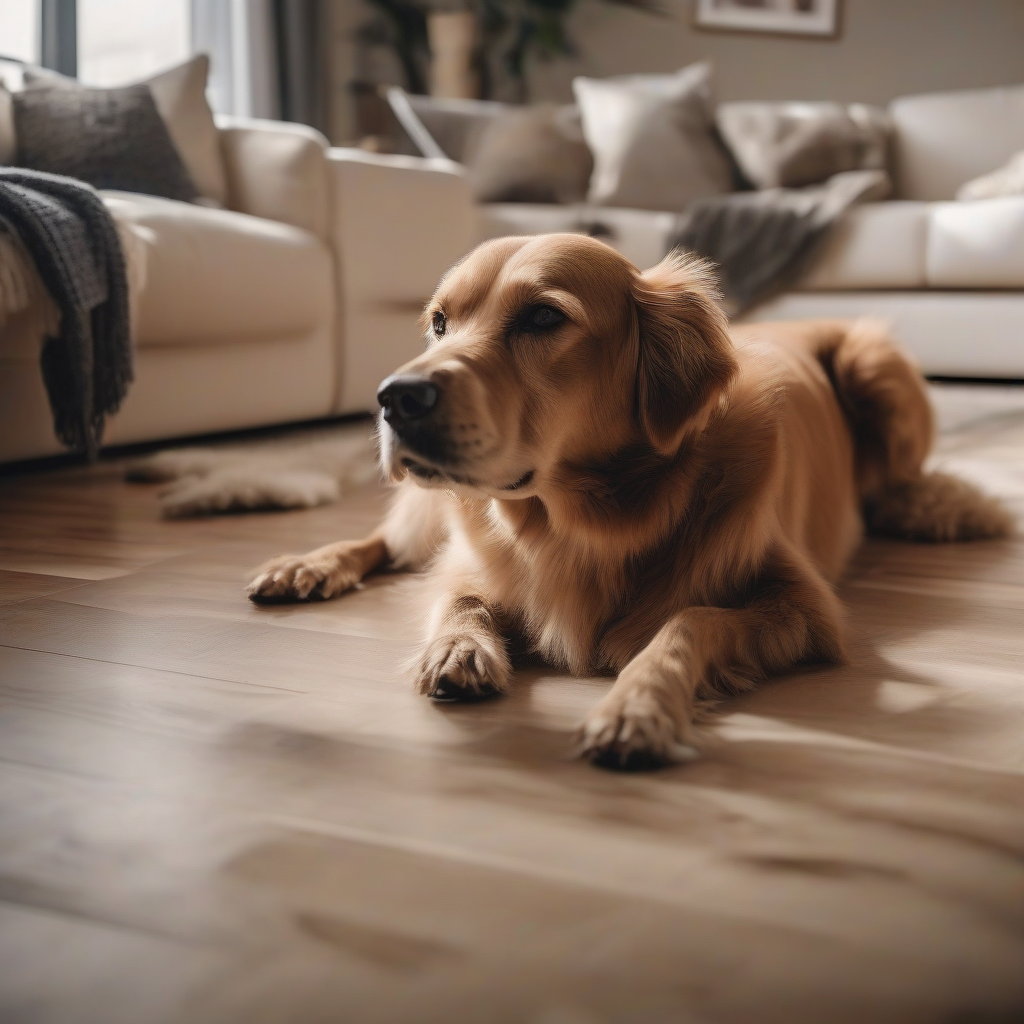
In this article, discover the profound effects of different flooring types in your dog's living space on their neurobiology and overall well-being. Learn how to eliminate stress triggers through scientific design.

In this article, you will find comprehensive information about the insidious neurobiological effects of artificial colorings, preservatives, and flavors found in commercial bird feeds on your bird's brain health and mental vitality. We explore scientific nutritional secrets to combat these hidden dangers, shedding light on a wide spectrum of effects from behavioral changes to cognitive decline.

In this article, you can discover the scientific secrets to understanding your cat's undesirable habits, deciphering the neurocognitive mechanisms in their brain, and establishing lasting new routines.

Discover the types of burns your dog can suffer, the 5 insidious neurophysiological effects these burns create in the brain and body, and lifesaving emergency intervention strategies in this comprehensive guide. We shed light on the dangers behind forgotten household accidents from a scientific perspective.
Dogs perceive the world very differently from humans. For them, 'home' isn't just four walls and a roof; it's a sensory experience comprised of surfaces they can touch, smell, and move on. Particularly, the floor surfaces are like 'hidden tunnels' filled with profound neurobiological effects you might not be aware of. In this article, we will explore the unknown impacts of different flooring types in your dog's living space on their mental and physical health, and how you can use this knowledge to create a more peaceful environment.
Dogs primarily experience the world through their paws. The receptors in their paw pads not only sense temperature and pressure but also texture, vibration, and even the slightest incline of the floor. This sensitivity forms the basis of their ability to understand their surroundings and detect dangers. However, some floor surfaces at home can disrupt this natural sensory system, leading to stress, anxiety, and even behavioral issues. For instance, excessively slippery ceramic or polished hardwood floors can cause your dog to lose balance and reduce their confidence. This can create a constant state of alert and prevent your dog from relaxing.
Carpets and rugs are often seen as comfortable and safe flooring for dogs. Their soft texture, thermal insulation, and slight cushioning reduce pressure on their paws. From a neurobiological perspective, these surfaces can help your dog feel more at ease, as they provide a sense of firmer footing. However, their maintenance-intensive nature and ability to harbor allergens can trigger issues, especially for dogs with skin sensitivities, as discussed in Your Dog's Coat's Hidden Micro-Climate: 5 Neurobiological Effects of Grooming and Scientific Secrets for Protecting Skin Health!.
While aesthetically pleasing, wood and laminate floors can be slippery for dogs. This can prevent your dog from comfortably lying down or making sudden movements. A constant feeling of 'slippiness' can restrict their freedom of movement, causing stress. As highlighted in Your Dog's 'Surface Sensitivity' Mystery: The Unknown 5 Neurobiological Effects of Home Textures and Scientific Design Secrets for Peace!, floor texture plays a critical role in a dog's sense of security. Slippery floors can undermine this security and pave the way for behavioral problems, similar to those mentioned in Your Dog's 'Hidden Fear Tunnels': Why Do Some Dogs Panic for No Reason? 5 Neurobiological Root Causes and Solutions!.
Tile and ceramic floors, while preferred in warmer climates due to their coolness, can be both cold and hard for dogs. These surfaces can cause discomfort, especially for dogs with joint issues. Furthermore, hard surfaces can amplify sounds reflecting from the floor, affecting your dog's auditory perception and thus increasing their stress levels. Some dogs may feel 'exposed' on these hard and cold surfaces, potentially leading to the formation of 'pressure zones' as discussed in Your Dog's 'Silent Pressure Zones': Neurobiological Stress Points at Home and Secrets to a Peaceful Living Environment.
Natural materials are generally gentler and neurobiologically more suitable options for dogs. Wood floors, when properly processed and finished, can be both aesthetic and functional. Bamboo stands out for its durability and eco-friendly nature. Cork flooring offers unique comfort and sound insulation. These materials provide a more 'natural' floor feel for your dog, making them more relaxed and helping them feel more in tune with their environment.
Remember, the flooring choice in your dog's living space is a significant factor based on scientific principles that directly impacts their overall well-being, safety, and happiness. When you understand their 'hidden tunnels,' you can create a more harmonious and peaceful home environment.
