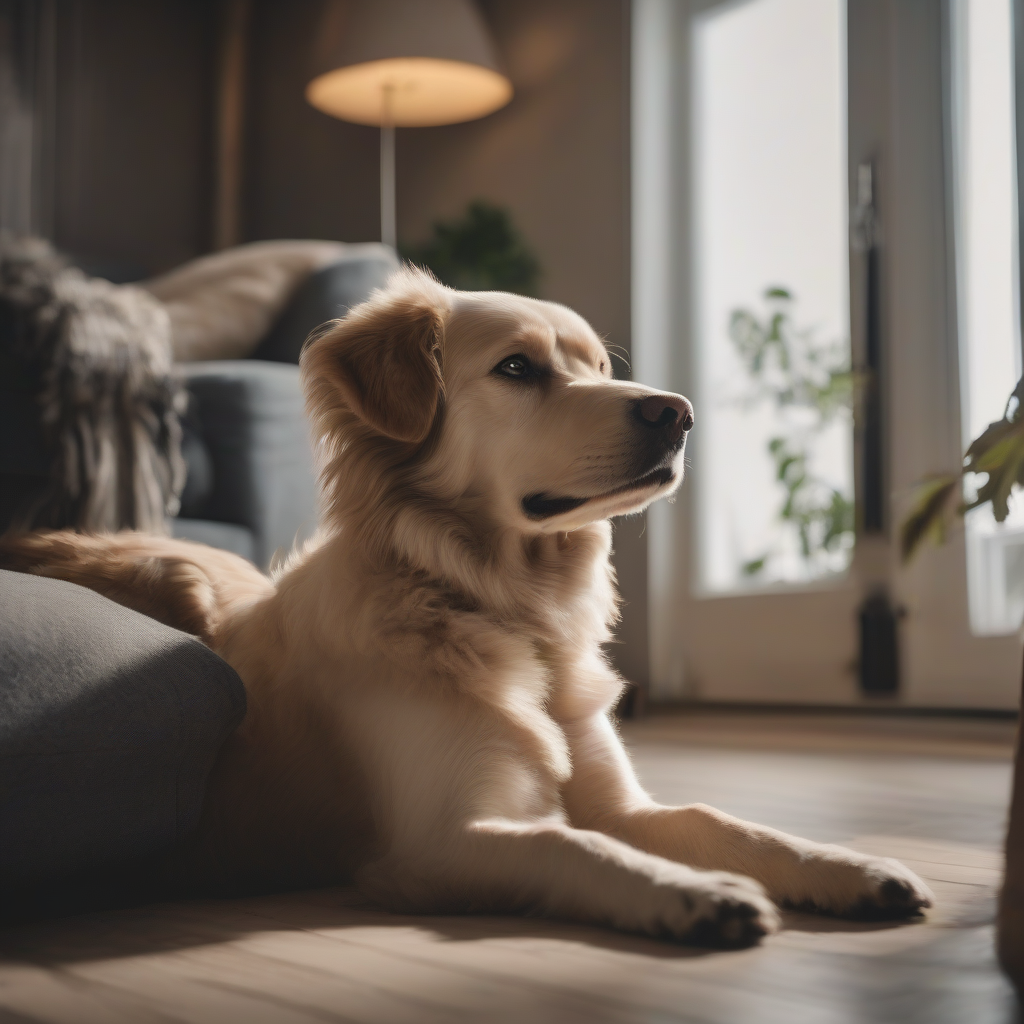
In this article, discover the overlooked neurobiological stress points in your dog's living space and the scientific secrets to creating a peaceful home.


In this article, you can discover the scientific secrets to understanding your cat's undesirable habits, deciphering the neurocognitive mechanisms in their brain, and establishing lasting new routines.

Discover the types of burns your dog can suffer, the 5 insidious neurophysiological effects these burns create in the brain and body, and lifesaving emergency intervention strategies in this comprehensive guide. We shed light on the dangers behind forgotten household accidents from a scientific perspective.

Discover the neurobiological signals of hidden stress your newly adopted cat experiences during adaptation to a new social environment. This article reveals 5 insidious signs of your cat's silent struggle and scientific strategies for peaceful, long-term harmony.
The happiness and well-being of our canine companions go beyond just love and basic needs. Our dog's living environment has profound and often overlooked effects on their mental and emotional health. Scientific research reveals that some home environments can unintentionally trigger neurobiological stress responses in our dogs. In this article, we will explore the 'silent pressure zones' within your dog's living space and unlock the keys to creating a peaceful, secure home for them.
Dogs' hearing is far more sensitive than humans'. Constant and sudden noises in our homes can be hidden stressors for our dogs. Especially sudden loud sounds (doorbell, vacuum cleaner, loud TV) or low-frequency, irritating hums can increase cortisol levels and overall anxiety, as highlighted in the article "Your Dog's 'Hidden Soundscapes': 5 Neurobiological Effects of the Home Acoustic Environment on Stress and Intelligence!". High-frequency dog whistles or sudden bursts of external noise can keep your dog's nervous system in a constant state of alert. To prevent this:
The artificial lighting we use in our homes today, especially bright lights at night, can disrupt dogs' natural circadian rhythms. This can lead to sleep disturbances, hormonal imbalances, and even behavioral issues, as detailed in the article "Is Your Dog's 'Body Clock' Crashing? 5 Insidious Neurophysiological Triggers of Circadian Rhythm Disorder!". To support your dog's natural sleep-wake cycle:
The types of surfaces your dog walks, sits, and sleeps on impact their tactile experience and, consequently, their neurological state. Slippery, hard, or uncomfortable surfaces can cause a constant sense of imbalance. For older dogs or those with joint issues, this can be a significant stress factor. While the principles discussed in "Your Cat's Invisible Surface Map: 5 Insidious Secrets of Different Textures at Home Shaping Neurocognitive Well-being!" are for cats, they apply to dogs as well. To enhance your dog's comfort:
Dogs are naturally inclined to explore and learn. Insufficient mental stimulation can lead to boredom and stress-related behaviors. The articles "Your Dog's 'Hidden Playground' Algorithm: Neuroscientific Bonding and Mental Stimulation Tactics" and "Your Dog's 'Unknown Playground': 5 Hidden Neurocognitive Tactics for Mental Stimulation and Bonding Secrets" highlight how critical mental stimulation is for your dog's happiness. It's important that the living space you provide also functions as a 'playground'.
Dogs feel more secure when they have their own 'safe zones'. This isn't just a physical refuge but also an environment they can control and relax in. While "Your Cat's 'Hidden Escape Zones': 5 Unknown Safety Threats at Home and Scientific Design Secrets to Zero Out Stress!" discusses safety principles for cats, they are also relevant for dogs. To reduce your dog's stress:
Modifying your dog's living space according to these neurobiological principles is not just a physical improvement but a scientific approach that profoundly impacts their mental and emotional well-being. Remember, a happy dog is the key to a healthy life.
