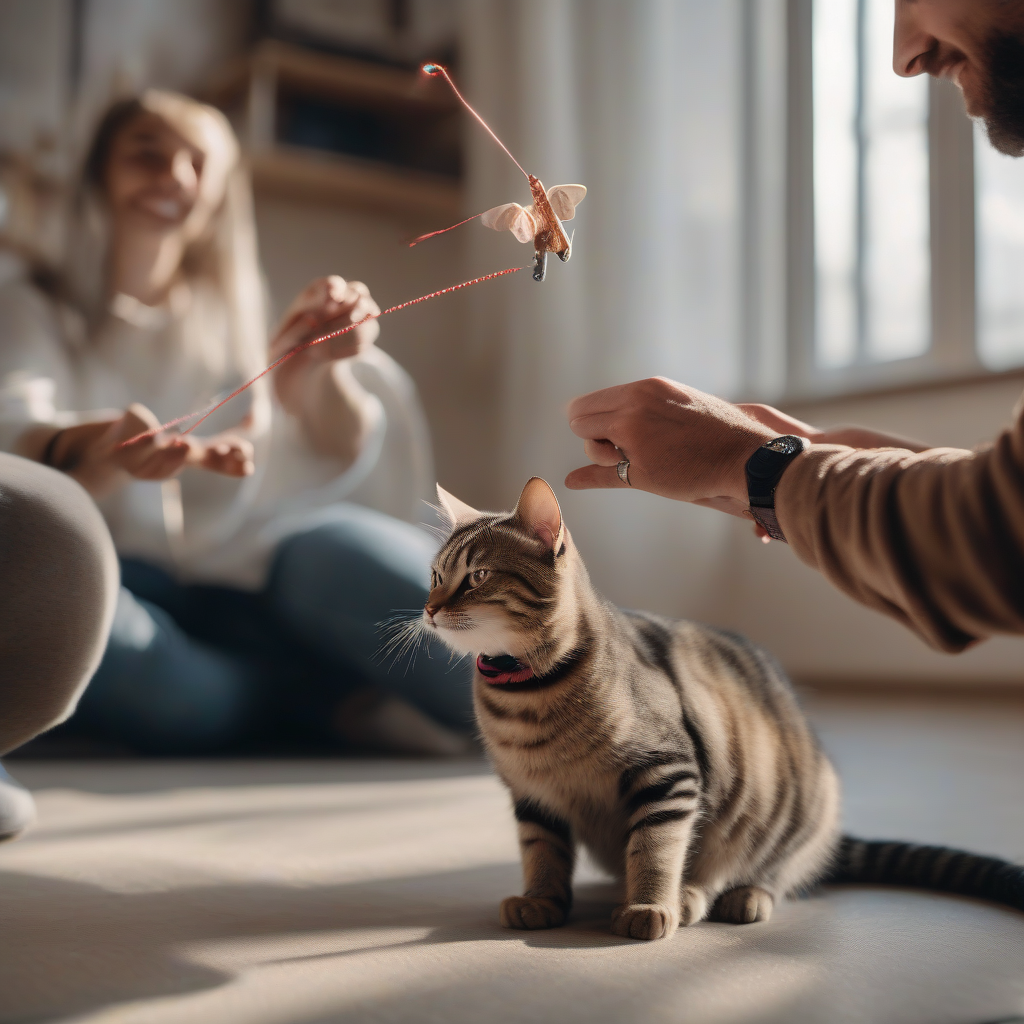
In this article, you can discover the brain mechanisms behind your cat's lure and reward training, 5 neurocognitive secrets, and fast learning strategies to train your companion more effectively.


Discover the neurobiological signals of hidden stress your newly adopted cat experiences during adaptation to a new social environment. This article reveals 5 insidious signs of your cat's silent struggle and scientific strategies for peaceful, long-term harmony.

Your dog's anal sacs, located beneath the tail, can be hidden alarm bells often overlooked but profoundly affecting their quality of life. In this article, you will discover the 5 insidious neurobiological effects of anal sac problems on the brain and the lifesaving care secrets you need to know for your furry friend to live a peaceful life.
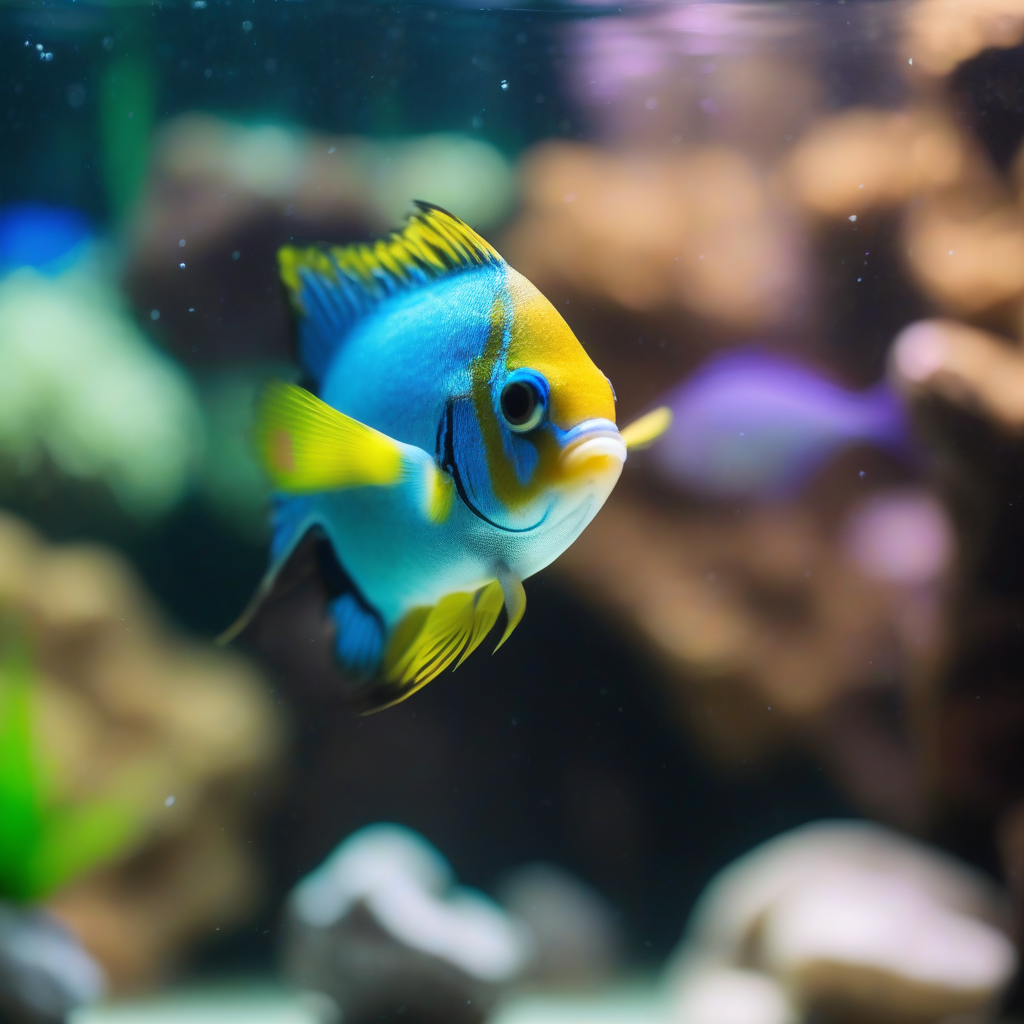
In this article, you will find comprehensive information on the insidious neurotoxic effects of heavy metal poisoning in aquarium fish, its symptoms, and lifesaving emergency intervention codes. This condition, which can arise from household water sources, improper equipment, or neglect, can severely threaten your fish's quality of life and lifespan.
Cats are known for their independent nature, which sometimes leads to the misconception that training them will not be as easy as training dogs. However, cats are highly intelligent, observant, and open to learning creatures. The key is to use techniques that align with their natural instincts and the learning mechanisms of their brains. One such method, 'lure and reward training,' directly targets your cat's 'secret motivation map' in the brain, leading to quick and effective results. So, what are the neurocognitive secrets behind this training, and how can we translate this knowledge into practical strategies?
Lure and reward training simply involves using a 'lure' to prompt a desired behavior and immediately offering a 'reward' when that behavior occurs. This method leaves deep imprints on cats' cognitive processes.
Your cat's brain releases a neurotransmitter called dopamine, especially during the anticipation and realization of a reward. When a lure (e.g., a favorite treat or toy) guides your cat toward a specific action (e.g., sitting), and a reward immediately follows, the brain strengthens this connection. Dopamine plays a critical role in this learning cycle; it creates an expectation and satisfaction in your cat: 'if I do this, I get a reward.' The more frequently and consistently this cycle is experienced, the faster the behavior is reinforced.
Lure and reward training utilizes a combination of classical and operant conditioning. Your cat learns to associate the lure with a command (e.g., 'sit') and discovers that performing a specific behavior (sitting) after this command results in a reward. This process leads to physical changes in the synapses (connections between neurons) in your cat's brain. This 'synaptic plasticity' forms the basis of learning; the brain encodes new information, shaping future behaviors. This explains how repeated behaviors become permanent, as detailed in the article Unlocking Your Cat's Secret 'Working Memory' Secrets: Why Does It Keep Making You Do the Same Thing? 5 Scientific Key Points!.
Maximizing lure and reward training for your cat involves understanding these neurocognitive secrets.
Cats, with their predatory instincts and highly developed senses, are exceptionally sensitive to olfactory, tactile, and visual stimuli. An effective lure must appeal to these senses. A high-value, highly fragrant treat (e.g., tuna or boiled chicken) or a moving, appealing toy immediately activates the attention centers in their brain. The lure being 'irresistible' to your cat is the first and most critical step in the learning process. This choice is also related to the predatory instinct stimulations in the article Your Cat's 'Hidden Hunter Arena': Neurocognitive Secrets of Environmental Enrichment at Home and 5 Scientific Strategies to Eliminate Hidden Stress!.
Your cat's brain is incredibly sensitive to the time difference between a behavior and a reward. A reward given within 1-3 seconds of the behavior's completion ensures the brain makes the correct association. A delayed reward can lead to confusion in your cat's brain about which behavior was rewarded and slows down learning. This immediate feedback optimizes dopamine release, increasing learning efficiency. Using a clicker can be very effective in achieving this precision.
Trying to teach a complex behavior (e.g., entering a box and closing it) all at once can increase your cat's cognitive load and break their motivation. The brain processes new information best when broken down into small, manageable chunks. Dividing the behavior into micro-steps (e.g., first looking at the box, then going next to it, then entering it) ensures dopamine release with each small success and prepares your cat's brain for the next step. This can be integrated with other methods, such as learning through mimicry, as discussed in Your Cat's 'Secret Observational Genius': 5 Neurocognitive Secrets to Learning Complex Routines and the Art of Training Through Mimicry!.
Cats tend to associate their learning with a specific environment or situation. The consistency of the training environment strengthens memory encoding in your cat's brain. A calm environment where distractions (noise, other pets) are minimized allows your cat to focus on the lure and reward, facilitating learning. Furthermore, nutritional factors like those discussed in Your Cat's Secret Brain Food: 5 Unknown Effects of Omega Fatty Acids on Brain Health and Behavior! are also important for healthy brain function.
Initially, rewarding every correct behavior (continuous reinforcement) is essential. However, once the behavior is reinforced, changing the reward schedule (variable ratio reinforcement) makes the behavior more durable. When your cat's brain cannot predict when the reward will come, its motivation to continue the behavior increases. This creates an effect similar to the principle of slot machines and increases the behavior's resistance to extinction.
By putting these neurocognitive secrets into practice, you can strengthen your bond with your cat and accelerate the learning process.
Cats have limited attention spans. Keeping each training session short (5-10 minutes) but intense ensures your cat remains focused and prevents boredom. Short sessions allow the brain to process information more efficiently and prevent burnout. Additionally, to observe your cat's stress levels, it may be beneficial to review the article Your Cat's 'Tail Whispers': Decode Hidden Anxiety Signals and Master the Art of Calmness!.
Enthusiastically acknowledging every small success increases your cat's motivation. Not just treats or toy rewards, but a gentle stroke or a kind word can also serve as positive reinforcement. The variety of rewards stimulates the reward centers in your cat's brain in different ways, making learning more enjoyable.
Lure and reward training works in sync with your cat's natural learning processes. By applying these scientific strategies, you can establish deeper communication with your cat, quickly teach desired behaviors, and strengthen your bond on a scientific foundation. Remember, patience, consistency, and understanding your cat's individual motivation map are the most important keys to success.
