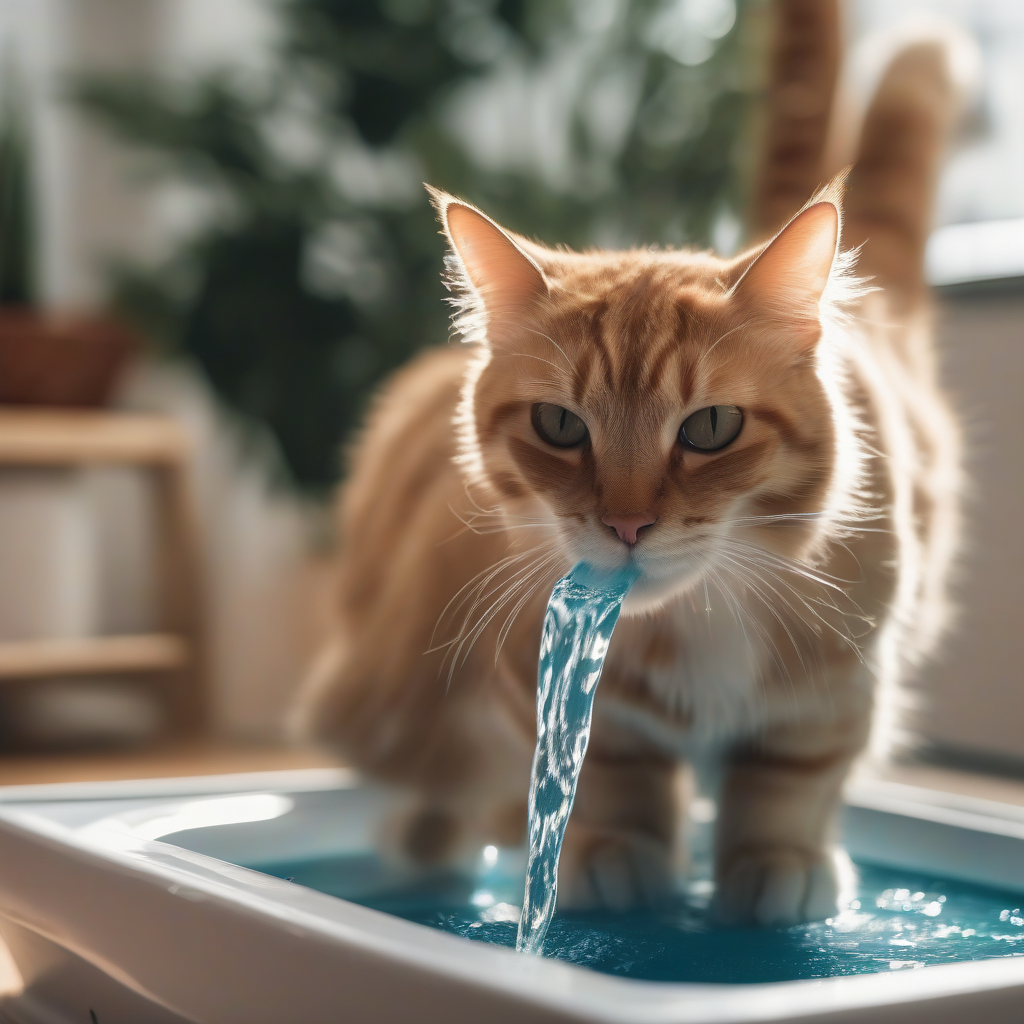
In this article, you will find comprehensive information on the subtle signs of chronic dehydration in cats, often overlooked, and science-backed hydration strategies to protect kidney health.


In this article, we will deeply explore the insidious neurobiological effects of gut microbiome imbalance (dysbiosis) on your rabbit's brain health and provide scientific-based solutions to maintain mental vitality.

In this article, you can find comprehensive information on how pancreatitis in dogs not only affects the digestive system but also insidiously impacts the brain, its neuroinflammatory mechanisms, and lifesaving emergency intervention strategies.

Discover the 5 insidious effects of overfeeding, one of the most stealthy threats to your fish's health, causing neurometabolic destruction in their brains, and learn scientific feeding strategies to prevent this demise. Uncover the silent danger in your aquarium!
Cats, by nature, can be quite "picky" about drinking water. Their genetic code, inherited from wild ancestors, largely met their water needs through the moisture obtained from their prey. When our modern domestic cats are fed predominantly dry food or when water sources are not optimal, they face the risk of chronic mild dehydration. This condition can have insidious and long-term detrimental effects, especially on kidney health. However, it is possible to understand the signals of this 'secret dehydration orchestra' that directly impacts your cat's quality of life and lifespan, and to implement scientific hydration strategies. In March 2026, WikiPet believes your cat deserves the best care, and we offer early detection of dehydration symptoms and effective solutions.
Cats' drinking habits are deeply influenced by their origins and physiology. In the wild, with their prey being 70-80% water, they could survive with very little additional water intake. This manifests in today's domestic cats as a "low thirst drive."
The home environment can harbor many hidden dehydration traps for cats. Factors such as the location, type, temperature, and freshness of water bowls directly affect your cat's water consumption. For instance, some cats prefer not to drink from water bowls placed next to their food bowls; instinctively, they may perceive water near their prey's eating area as contaminated. Furthermore, inadequately clean water bowls or a lack of constantly fresh water can also deter your cat. Optimizing the water sources in your home can fundamentally change your cat's drinking habits. Our article, Your Cat's Hidden Spatial Perception: Secret Environmental Obstacles and 5 Scientific Solutions for a Peaceful Habitat, can inspire you on optimizing water bowl placement.
Most modern cats are fed dry food. Dry foods contain only 5-10% moisture, whereas wet foods provide 70-80% moisture. This significant difference means that cats fed dry food need to drink much more water to meet their hydration needs. However, cats' natural "low thirst drive" makes it challenging for them to compensate for this increased need. This paradox is one of the primary causes of chronic dehydration. You can find detailed information on the effects of feeding routines on overall health in our articles like Your Cat's 'Hidden Metabolic Clock': 5 Unknown Scientific Impacts of Meal Timing on Behavior and Health!.
Cats are highly sensitive to stress and anxiety. Factors such as changes in environment, new pets, loud noises, or routine variations can cause stress in cats, which can negatively impact their drinking habits. A stressed cat may refuse to enter a comfortable environment to drink water or avoid the water bowl. Our article, Your Cat's 'Tail Whispers': Decode Hidden Anxiety Signals and Master the Art of Calmness!, can help you recognize such behavioral signals.
Symptoms of dehydration can progress insidiously in cats and may be difficult to notice. However, with careful observation, these 5 key signs can be identified:
Even mild dehydration can lead to a noticeable drop in your cat's energy levels. If your normally active cat is playing less, sleeping more, or appears generally sluggish, this could be a warning sign. When the body is not adequately hydrated, cell functions slow down, leading to overall fatigue.
Your cat's eyes are one of the early indicators of dehydration. Sunken or dull-looking eyes can indicate dryness and a loss of elasticity in the tissue around the eyes. This is a reflection of the body's overall fluid imbalance.
Checking your cat's gums is a simple and effective method. Gums, which should normally be pink and moist, will appear paler, drier, and feel sticky when dehydrated. If the color is slow to return to normal after pressing with your finger, this is also a sign of dehydration. Additionally, reduced saliva production can lead to bad breath.
The skin turgor test is a method frequently used by veterinarians to assess dehydration. Gently pull up the skin between your cat's shoulder blades and release it. Normally, the skin should immediately snap back into place. However, in a dehydrated cat, the skin may return more slowly or not at all, appearing to stay "tented."
Urination frequency and volume provide important clues about your cat's hydration status. A dehydrated cat will urinate less, and its urine may be more concentrated (darker in color and stronger smelling). This indicates that the kidneys are working harder to conserve water in the body, which can be taxing on the kidneys in the long run. It's important to consult a veterinarian if you notice any changes.
Ensuring your cat receives adequate water is vital for protecting kidney health and enhancing overall well-being. Here are effective strategies based on scientific principles:
Adding wet food to your cat's diet is one of the most effective ways to increase daily fluid intake. The high moisture content of wet foods ensures your cat receives the water it needs directly through its diet. You can facilitate the transition by mixing dry and wet food or offering them as separate meals.
Some cats respond positively to mild flavor enhancers added to their water. Adding a small amount of unsalted broth (chicken or fish broth) or tuna water can make the water more appealing. Additionally, especially in warm weather, adding a few ice cubes to the water bowl can make the water cooler and more interesting, encouraging your cat to drink more.
It is crucial that your cat feels safe while drinking water. Place water bowls in a calm, quiet area where your cat feels comfortable. A corner where they won't be disturbed by other pets or children is ideal. Suggestions like Your Cat's 'Fearless Exam Protocol': 5 Scientific Cooperative Care Steps for Stress-Free Vet Visits! can also help with general health by reducing stress levels.
Early detection of dehydration signs and regular monitoring of kidney health are critically important. Annual veterinary check-ups, kidney function tests, and urinalysis can help diagnose potential problems early. Your veterinarian can provide personalized hydration and nutritional recommendations based on your cat's specific needs. Remember, a proactive approach is key to your cat living a long and healthy life.
Conclusion
Understanding your cat's 'Secret Dehydration Orchestra' and implementing appropriate scientific strategies will not only significantly improve kidney health but also its overall well-being. By recognizing early signs, providing proper water sources, and supporting their dietary habits, you can substantially enhance your feline friend's quality of life. Remember, your cat deserves every drop of water.
