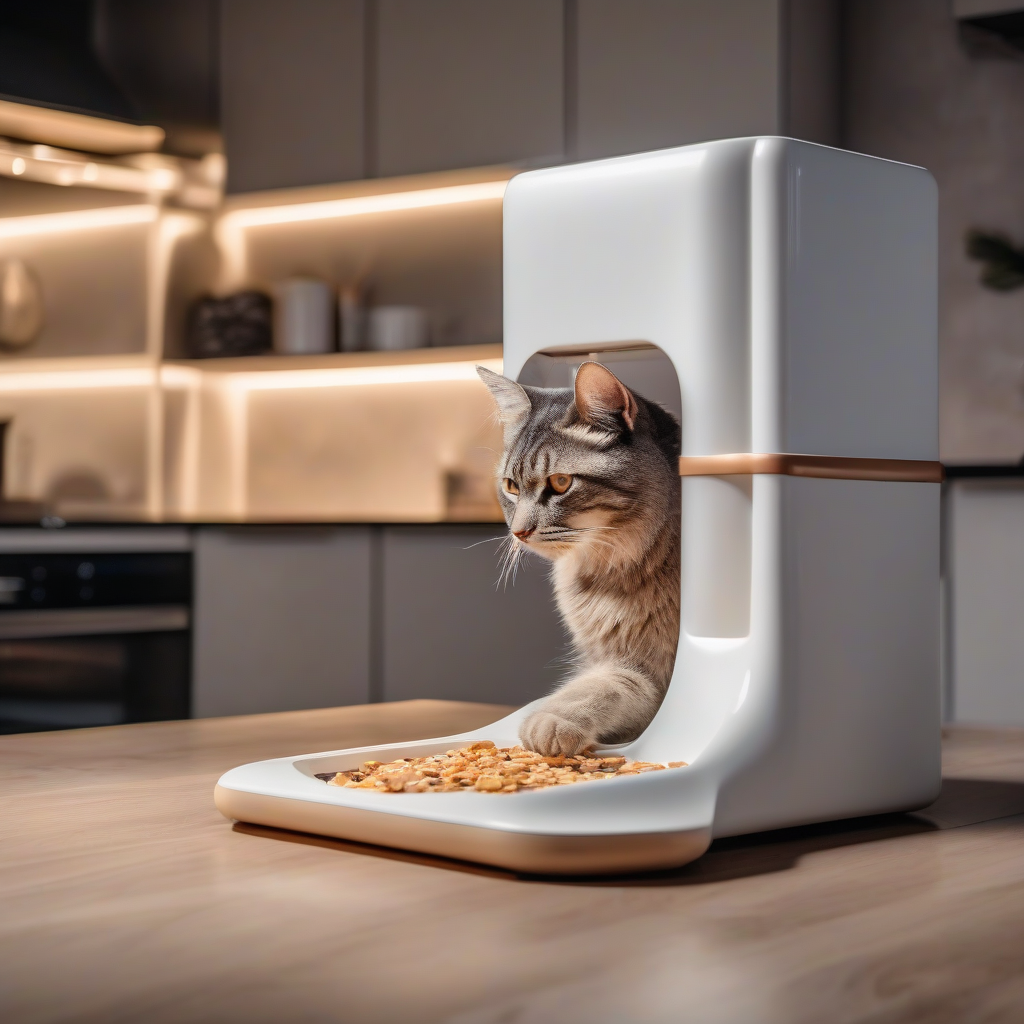
Your cat's feeding routine is closely linked not only to what they eat but also when they eat. This article uncovers 5 unknown scientific impacts of meal timing on your cat's metabolism, blood sugar balance, weight management, and even behavior, explaining how to optimize your feeding strategies for optimal health and well-being.


In this article, we will deeply explore the insidious neurobiological effects of gut microbiome imbalance (dysbiosis) on your rabbit's brain health and provide scientific-based solutions to maintain mental vitality.

In this article, you can find comprehensive information on how pancreatitis in dogs not only affects the digestive system but also insidiously impacts the brain, its neuroinflammatory mechanisms, and lifesaving emergency intervention strategies.

Discover the 5 insidious effects of overfeeding, one of the most stealthy threats to your fish's health, causing neurometabolic destruction in their brains, and learn scientific feeding strategies to prevent this demise. Uncover the silent danger in your aquarium!
Even though domestic cats have lived with humans for thousands of years, they still carry the genetic legacy of their wild ancestors. One of the most prominent aspects of this legacy is their feeding habits. While modern domestic cat feeding often consists of dry food in a bowl, it's not just what your cat eats, but also when and how they eat that profoundly impacts their overall health, metabolism, and behavior. This often-overlooked 'Hidden Metabolic Clock' can directly affect your cat's quality of life.
As a veterinary content strategist, we aim to uncover the scientific secrets behind your cat's feeding routine. In this article, we will scientifically examine the 5 key unknown effects of meal timing and feeding patterns on your cat's body and mind, discovering ways to promote a healthier and happier life for your beloved companion.
Cats are obligate carnivores, naturally adapted to a low-carbohydrate, high-protein diet from their prey. Free-feeding with constant or large meals can lead to excessive insulin secretion from the cat's pancreas. In the long term, this can result in insulin resistance and an increased risk of type 2 diabetes. Scientific studies show that multiple, controlled meals a day keep blood sugar more stable and are vital, especially for cats prone to diabetes. Gaps between meals help the pancreas rest and maintain insulin sensitivity.
Obesity is a common health problem among domestic cats, laying the groundwork for many issues, from joint problems to heart disease. The relationship between meal timing and obesity is quite complex. In free-fed cats, the tendency to eat continuously throughout the day increases calorie intake, while portion control is easier to maintain in meal-fed cats. Furthermore, there is evidence that small, frequent meals can increase the 'thermic effect' of food, boosting metabolism during digestion. Managing your cat's weight is critical for a healthy life. In this context, establishing the correct feeding schedule is as important as choosing the right nutrients. Your Cat's Hidden Brain Food, omega fatty acids, also plays a significant role in overall health and metabolism.
Cats are programmed to satisfy their predatory instincts. In the wild, the hunt-and-eat cycle constitutes the cat's primary daily activity. Disrupting this cycle in a modern home environment can lead to behavioral problems. Regular meal times add predictability to your cat's daily routine, reducing anxiety. Uncontrolled cycles of hunger and fullness can cause issues such as stress, food guarding, or excessive meowing. Combining meal times with hunting simulations (e.g., puzzle feeders) enhances your cat's mental and physical stimulation. If you observe signs of anxiety in your cat, learning to decode anxiety signals with Your Cat's 'Tail Whispers' can help. Furthermore, one should not forget the importance of Your Cat's 'Hidden Hunter Arena' to satisfy their predatory instincts.
The digestive system is a cornerstone of your cat's overall health. Regular and predictable meal times optimize the production of digestive enzymes and regulate gut motility. Irregular feeding or constant snacking can overwork or lead to sluggishness in the gastrointestinal system, resulting in diarrhea, constipation, or stomach upset. Moreover, meal timing also affects the balance of Your Cat's 'Secret Second Brain', the gut microbiome. A healthy microbiome is critical for immune system function and nutrient absorption.
Your cat's daily energy levels and activity patterns are directly influenced by meal times. Irregular or too few meals can cause your cat to experience energy dips throughout the day, making them lethargic or irritable. On the other hand, well-planned and balanced meals provide a continuous energy flow, supporting your cat to be more active, willing to play, and generally more vital. This is especially important for older cats or those with chronic conditions, as stable energy levels help preserve muscle mass and improve quality of life.
Here are some strategies you can implement to optimize your cat's 'Hidden Metabolic Clock':
The care you put into your cat's feeding routine directly impacts not only their physical health but also their mental and behavioral well-being. By discovering these scientific secrets, you can provide your beloved companion with the best life they deserve.
