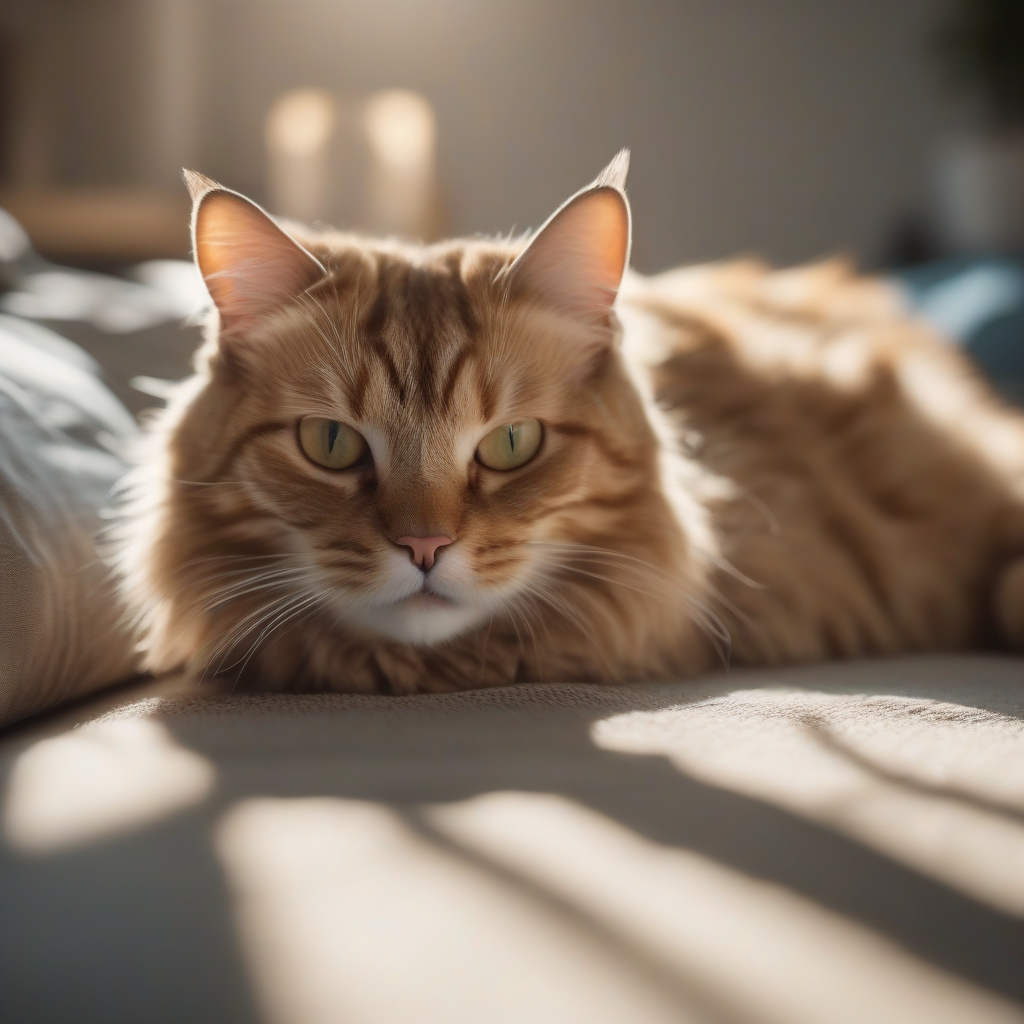
In this article, you will discover how your cat is affected by home lighting conditions, the unknown effects of light on their mood, sleep patterns, and overall health, and strategies to optimize their living space.


Discover the neurobiological signals of hidden stress your newly adopted cat experiences during adaptation to a new social environment. This article reveals 5 insidious signs of your cat's silent struggle and scientific strategies for peaceful, long-term harmony.

Your dog's anal sacs, located beneath the tail, can be hidden alarm bells often overlooked but profoundly affecting their quality of life. In this article, you will discover the 5 insidious neurobiological effects of anal sac problems on the brain and the lifesaving care secrets you need to know for your furry friend to live a peaceful life.
In this article, you will find comprehensive information on the insidious neurotoxic effects of heavy metal poisoning in aquarium fish, its symptoms, and lifesaving emergency intervention codes. This condition, which can arise from household water sources, improper equipment, or neglect, can severely threaten your fish's quality of life and lifespan.
Cats, being natural predators and living according to a specific biological rhythm, are highly sensitive to changes in light in their environment. The artificial lighting arrangements in our homes and the lack of access to natural sunlight can profoundly affect many areas of a cat's life, from their mood and sleep patterns to their overall health. This often-overlooked "invisible sun ritual" is actually a critical factor that shapes your cat's well-being at home.
Cats, like us, have a 24-hour biological clock called a 'circadian rhythm'. This rhythm regulates the sleep-wake cycle, hormone secretion, metabolism, and mood. The most powerful trigger for the circadian rhythm is light. Special light-sensitive cells in the retina (ganglion cells) send information directly to the suprachiasmatic nucleus (SCN), the brain's circadian clock center.
Artificial lighting, especially blue light-emitting LED lamps or screens, can suppress your cat's nocturnal melatonin production. Melatonin is a hormone that regulates sleep and supports the immune system. Without sufficient melatonin, your cat may experience sleep disturbances, restlessness, and even chronic stress symptoms in the long term. Even the ultraviolet (UV) spectrum of sunlight has potential effects on cats' mood and Vitamin D synthesis, similar to what is observed in birds. (Related reading: Your Bird's 'Invisible Color' World: Unveiling Ultraviolet Secrets That Shape Their Psychology and Behavior!)
Incorrect lighting conditions can lead to a range of behavioral and psychological problems in cats:
Living in constant bright light or insufficient darkness throughout the night disrupts your cat's natural sleep cycle. Cats need deep sleep at specific times of the day. Interrupted sleep can lead to irritability, low energy, and even stress-related behavioral issues during the day.
Deviation from the natural light cycle can lead to chronic stress in cats. Cats need a safe and predictable environment. Imbalanced lighting can disrupt this predictability, increasing anxiety. For example, bright lights on throughout the night can suppress their natural hunting instincts, leading to frustration. A cat's ability to shape its environment according to its needs is critical for its psychological well-being. (Related reading: Your Cat's 'Secret Environmental Engineering': How They 'Silently' Shape Their Space and Their Expectations from You)
Some researchers suggest that cats, like humans, may exhibit symptoms similar to seasonal affective disorder. Reduced exposure to daylight during winter months can cause symptoms such as lethargy, loss of appetite, and unwillingness to play. Sufficient natural light and specific spectrum artificial light sources can help mitigate these effects.
Light directly influences cats' energy levels. Bright light in the morning encourages them to be more active, while dim light in the evening helps them prepare for rest and sleep. Disrupted light cycles can reduce your cat's motivation to play and explore. Cats also use vertical spaces in their living areas to manage their mood; the lighting in these areas is also important. (Related reading: Your Cat's Invisible Tower: The Psychological Power of Vertical Space and Stress-Reducing Home Design Secrets (March 2026))
It is possible to develop lighting strategies to improve your cat's quality of life at home:
Make sunlit areas in your home appealing to your cat. Place beds or climbing structures near windows to ensure they receive direct or indirect sunlight for several hours a day. Remember, proper lighting is also important during your cat's adaptation to a new environment. (Related reading: The Secret Codes of Your Cat's New Home Adaptation: Scientific Ways for a Calm Transition and Building Trust (2026))
Some pet owners may prefer to use full-spectrum lighting specifically designed for animals. These lamps can mimic natural sunlight, providing both psychological and physiological benefits. In terms of intensity, avoid sudden and excessively bright lights, considering your cat's eye sensitivity.
Lighting in your cat's living space is not just a decorative element for you, but an "invisible sun ritual" for them. Managing this ritual correctly will help your cat live a happier, healthier, and more balanced life. By optimizing the lighting in your home with small changes, you can positively influence your little friend's mood and biological clock. Remember, your cat's well-being is hidden even in the smallest environmental details.
