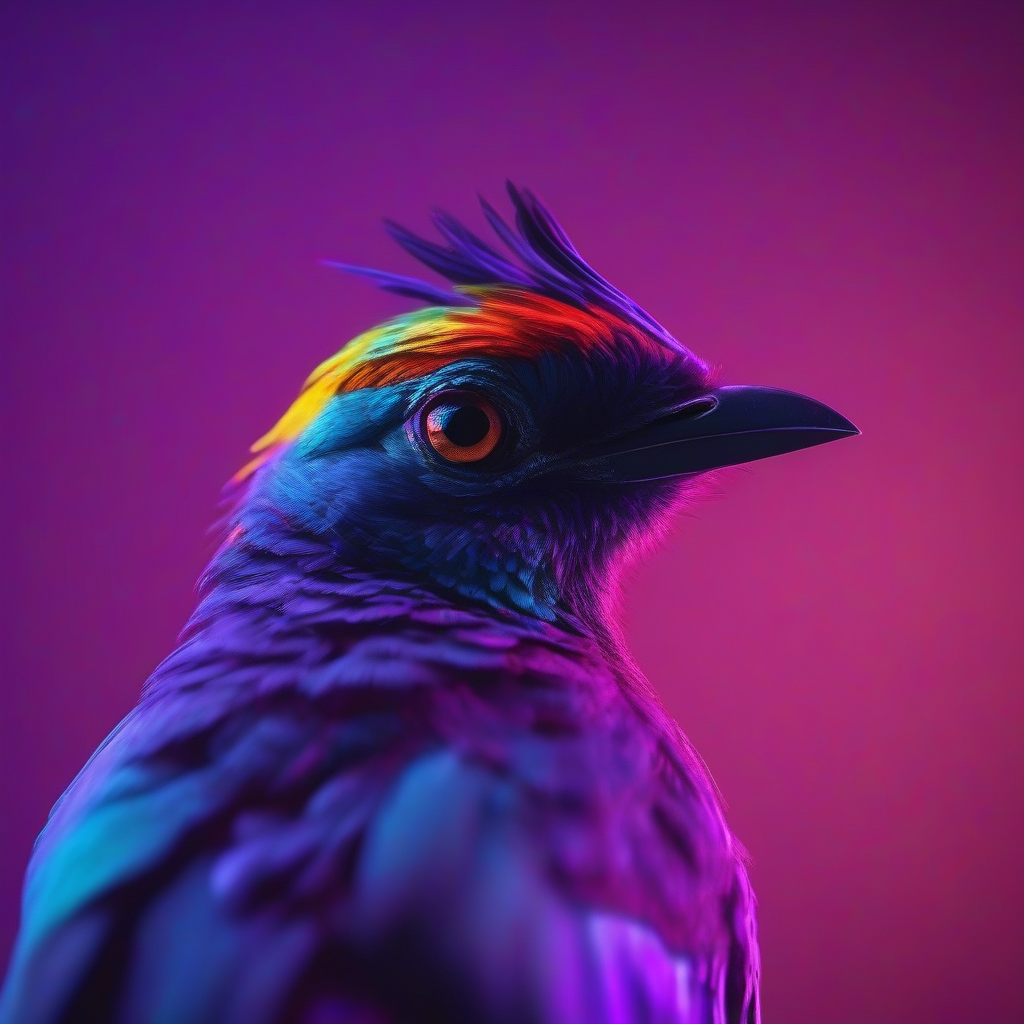
In this article, you will scientifically discover how your bird perceives colors beyond the human eye and how this 'invisible' world profoundly impacts their psychology and behavior. Learn the secrets to optimizing their home and interactions according to your bird's unique visual universe.


Discover the neurobiological signals of hidden stress your newly adopted cat experiences during adaptation to a new social environment. This article reveals 5 insidious signs of your cat's silent struggle and scientific strategies for peaceful, long-term harmony.

Your dog's anal sacs, located beneath the tail, can be hidden alarm bells often overlooked but profoundly affecting their quality of life. In this article, you will discover the 5 insidious neurobiological effects of anal sac problems on the brain and the lifesaving care secrets you need to know for your furry friend to live a peaceful life.
In this article, you will find comprehensive information on the insidious neurotoxic effects of heavy metal poisoning in aquarium fish, its symptoms, and lifesaving emergency intervention codes. This condition, which can arise from household water sources, improper equipment, or neglect, can severely threaten your fish's quality of life and lifespan.
Domestic birds inhabit a complex and fascinating visual universe, one that we humans are often unaware of. While humans see the world in three primary colors (red, green, blue), most bird species possess tetrachromatic or even pentachromatic vision, allowing them to perceive the ultraviolet (UV) spectrum. This 'invisible color' perception profoundly affects your bird's psychology and behavior in ways we can scarcely imagine. In this article, we will delve into the scientific secrets of your bird's color perception, its daily behavioral impacts, and how we can use this knowledge to make their homes richer and stress-free.
The avian visual system has evolved over millions of years under different evolutionary pressures, leading to a stark contrast with human vision. Besides the cone cells responsible for our color perception, birds have additional cone cells sensitive to UV light. Thanks to this, what appears to us as a monotonous pile of leaves might be a rich map of food sources or a territory marked with danger signals for a bird, all revealed through different UV reflections. This unique ability forms the basis of their survival strategies, reproductive behaviors, and environmental interactions. This form of vision allows birds to see the world as if it were a canvas filled with 'invisible rays,' making it one of the most crucial factors shaping their inner world.
Birds' UV vision deeply influences many aspects of their behavioral repertoire and psychological state:
For many bird species, the UV spectrum plays a critical role in mate selection and intra-species communication. UV-reflective patterns on male birds' feathers can indicate health, genetic quality, and reproductive fitness to females. Minor differences, imperceptible to the human eye, can determine a potential mate's attractiveness or competitive strength for a bird. This directly impacts social hierarchy and interaction patterns among birds.
UV vision also enhances birds' foraging abilities. Some fruits and seeds become more conspicuous to birds when ripe by reflecting UV light. Additionally, the urine trails of some rodents glow under UV light, helping predatory birds (like owls) track their prey even in the dark. This shapes birds' responses to environmental stimuli and their survival instincts. An inappropriate feeding environment or visually unattractive food can also lead to digestive problems for your bird, similar to those discussed in Your Rabbit's Secret Nutrition Code: The Lifesaving Scientific Role of Cecotropes and Overlooked Problems!.
The colors and lighting in the cage environment directly affect your bird's perceived stress or comfort. Bright, highly UV-reflective colors might increase arousal for some birds, while more natural and muted tones can create a sense of secure shelter. Insufficient UV spectrum from artificial lighting systems can lead to vitamin D deficiency in birds and negatively impact their overall psychological well-being. Using lighting sources that mimic the natural light spectrum is crucial for your bird's optimal living. This is also detailed in Your Bird's Secret Solar Energy: Lifesaving Vitamin D and Happiness Secrets from the Invisible UVB/UVA Spectrum.
Understanding your bird's unique color perception is key to providing them with a better living environment. Here are some scientific strategies you can implement:
For pet birds housed indoors, using full-spectrum UV lamps is essential. These lamps mimic the UVB and UVA components of natural sunlight, helping your bird synthesize vitamin D and perceive the world in its natural colors. This positively affects their mood, behavior, and overall health. The importance of lighting is also highlighted in our article Your Bird's Invisible Stress Factors: Scientific Secrets of Cage Microclimate and Safe Zones.
The colors of accessories and toys within the cage have a significant impact on your bird's psychology. Toys made from natural tones and UV-reflective materials can capture your bird's interest and encourage natural exploratory behaviors. Overly bright or fluorescent colors can be overstimulating and even stressful for some birds. When arranging the cage, it's important to choose colors that match your bird's needs, as outlined in the article Your Bird's Invisible Architect: Cage Setup and Strategic Enrichment Secrets That Satisfy Natural Instincts.
Your bird's color perception can also be utilized in training processes. Exercises such as recognizing colors or interacting with specific colored objects can develop their cognitive abilities while making the training process more enjoyable. You can support the intelligence potential mentioned in our content Your Bird's Secret Intelligence Gates: 5 Revolutionary Scientific Secrets for Training! with colors.
By presenting food in different colored bowls or on UV-reflective surfaces, you can pique your bird's interest and encourage them to try different foods. This adds variety to their diet while also providing mental stimulation.
Understanding your bird's 'invisible color' world is a crucial way to strengthen your bond with them and provide them with a happier, healthier life. By considering the behavioral and psychological effects of UV vision, you can optimize their cage environment, lighting, toys, and even training approaches. This scientific approach will maximize your pet bird's well-being and make your interactions with them more meaningful. Remember, a healthy environment can also prevent stress-related behavioral problems, such as those discussed in Is Your Bird Plucking Feathers? Invisible Triggers and Scientific Solutions for Lifelong Comfort Secrets.
