
In this article, you will discover 5 deep neurocognitive secrets behind your cat's learning processes during play. Tips to support your cat's mental development.


Discover the neurobiological signals of hidden stress your newly adopted cat experiences during adaptation to a new social environment. This article reveals 5 insidious signs of your cat's silent struggle and scientific strategies for peaceful, long-term harmony.

Your dog's anal sacs, located beneath the tail, can be hidden alarm bells often overlooked but profoundly affecting their quality of life. In this article, you will discover the 5 insidious neurobiological effects of anal sac problems on the brain and the lifesaving care secrets you need to know for your furry friend to live a peaceful life.
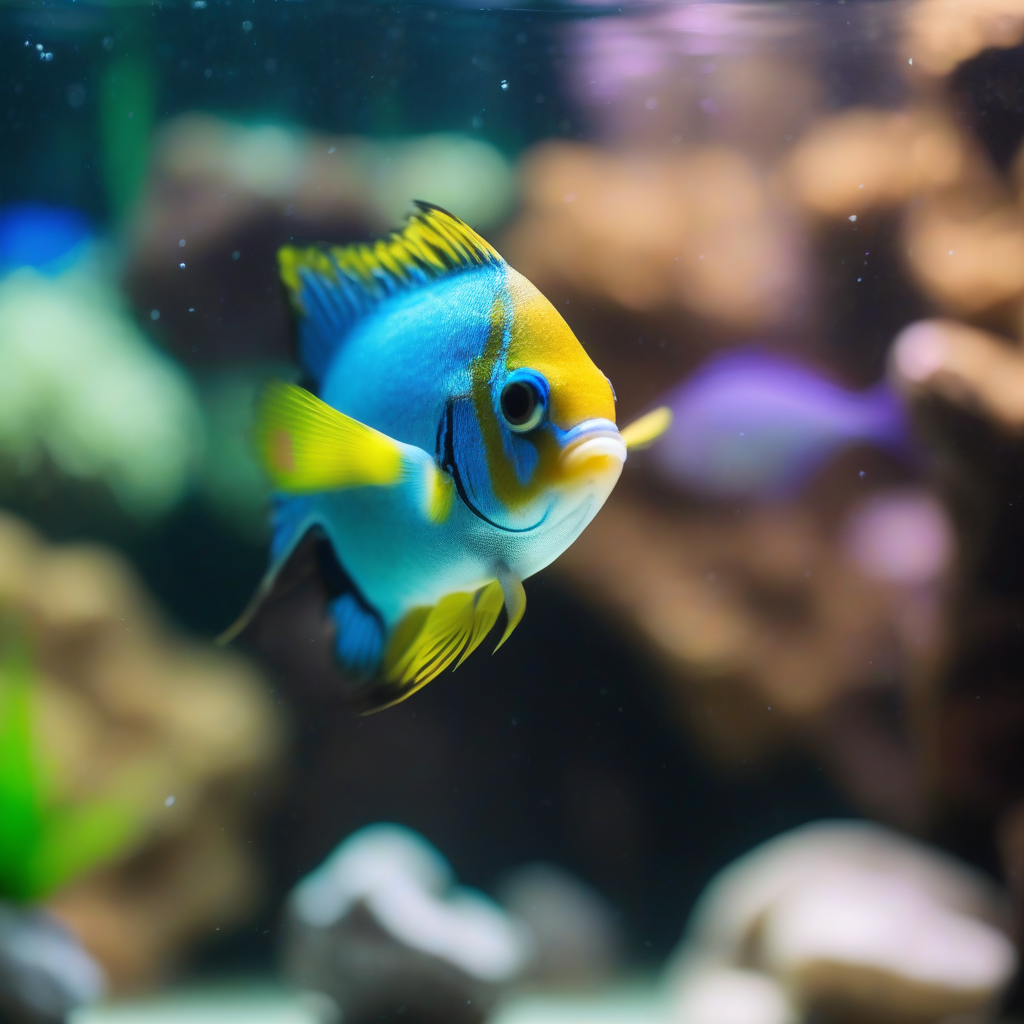
In this article, you will find comprehensive information on the insidious neurotoxic effects of heavy metal poisoning in aquarium fish, its symptoms, and lifesaving emergency intervention codes. This condition, which can arise from household water sources, improper equipment, or neglect, can severely threaten your fish's quality of life and lifespan.
Cats, known for their intelligence and adaptability to their environment, are mysterious creatures. Understanding their world goes beyond just meeting their physical needs; it also involves supporting their mental and emotional development. Play, in particular, plays a critical role in the learning and skill development process of cats. However, this process is filled with deep neurocognitive mechanisms that are often overlooked. In this article, we will unlock 5 unknown neurocognitive keys to how your cat learns during play.
Cats, like humans, process new information using their short-term memory. When you hide an object during play or repeat a motion, your cat stores this information in its mind. This 'working memory' comes into play in situations like remembering the box where you hid a toy mouse or wanting to repeat a specific game with you. This memory not only forms the basis for immediate but also long-term learning. Our article, Unlocking Your Cat's Secret 'Working Memory' Secrets: Why Does It Keep Making You Do the Same Thing? 5 Scientific Key Points!, offers more in-depth information on this topic.
Cats' predatory instincts form the basis of play. Chasing a laser dot or attacking a feather wand is a virtual hunting experience for them. This hunting simulation leads to the release of rewarding neurotransmitters like dopamine in their brains. This reinforces the learning process and encourages the cat to engage more with the game. Play provides a safe space for them to exhibit their natural behaviors. Our article, Your Cat's 'Hidden Hunter Arena': Neurocognitive Secrets of Environmental Enrichment at Home and 5 Scientific Strategies to Eliminate Hidden Stress!, highlights the importance of environmental enrichment in this regard.
Cats not only learn individually but also gain information by observing events in their environment and their owners' behaviors. Especially when interacting with you, they unconsciously decode your tone of voice, movements, and the commands you give. Learning to open a door or coming to you when called in a specific way are results of this 'observational genius.' This is one of the first steps in learning through mimicry. Our content, Your Cat's 'Secret Observational Genius': 5 Neurocognitive Secrets to Learning Complex Routines and the Art of Training Through Mimicry!, delves deeper into this ability.
Understanding a cat's motivations is key to training success. They generally learn better with a reward-based approach. These rewards are not just food but can also include loving strokes, words of praise, or short, enjoyable play sessions. Stimulating the reward centers in your cat's brain encourages them to repeat certain behaviors. This means understanding what motivates your cat and developing a training strategy accordingly. Your Cat's 'Secret Motivation Map': 5 Neurocognitive Secrets of Lure and Reward Training in the Brain and Fast Learning Strategies! will guide you on this topic.
A cat's understanding of 'obedience' is less about a simple code and more about their response to a consistent and predictable environment. Learning a command or a desired behavior is a process of repeated reinforcement. If you are trying to teach your cat a rule or behavior, consistency is paramount. Reacting differently at different times can confuse your cat and slow down the learning process. For instance, when it comes to litter training, consistency is the most crucial factor. Our article, Your Cat's 'Secret Obedience Code': Unlock the 5 Neurological Keys to Litter Training!, focuses on the secrets within this important training area.
Supporting your cat's mental development allows you to build a stronger bond with them. Play is not just a form of entertainment but also a powerful tool for your cat to develop learning, problem-solving, and adaptation skills. By understanding these neurocognitive secrets, you can fully unlock your cat's potential and build a more meaningful relationship with them.
