Nutrition is one of the cornerstones for our pet birds to live a healthy and long life. However, there's a critical point most bird owners overlook: diet changes. Suddenly changing a bird's diet can create a "silent metabolic shock" in its tiny body. This shock can lead to a wide range of problems, from mild digestive issues in the short term to serious organ damage and behavioral disorders in the long term. In this comprehensive guide, discover the dangers behind sudden changes in your bird's feeding regimen and scientifically based safe transition strategies to eliminate these risks, illuminated by the latest scientific findings as of March 2026.
Birds, by nature, have a fast metabolism, which requires their energy needs to be met instantly. Their food choices and digestive processes have evolved over millions of years to reach a certain balance. Sudden interventions in this delicate balance can trigger unexpected health problems.
Anatomical Features of the Digestive System
Birds' digestive systems are quite different from mammals', playing a key role in their nutritional adaptations. Food is first softened in the crop, then ground in the gizzard, a muscular stomach. These structures are specialized for a particular diet type. For example, birds that primarily feed on seeds have stronger gizzards suited for grinding fibrous materials. Transitioning to a new diet can expose these organs to an unaccustomed workload, leading to digestive difficulties and even stasis.
The Role and Adaptation of the Microbiome
Trillions of microorganisms (the microbiome) living in the gut of every living creature play a critical role in the digestion and absorption of nutrients. The avian gut microbiota is directly related to the food they eat and has adapted to a specific diet. Sudden diet changes can disrupt this delicate balance, leading to a decrease in beneficial bacterial populations and an increase in pathogenic bacteria. This sets the stage for digestive system infections and nutrient malabsorption. As detailed in the article Your Cat's Invisible Defense Line: The Stealthy Effects of Food Intolerances on Gut Microbiota and Scientific Solutions!, gut microbiota health is vital for all living beings.
Glycemic Shock and Energy Imbalance
Especially when transitioning from a seed-heavy diet to one containing more complex carbohydrates or different fat profiles, a bird's blood sugar levels can fluctuate. This "glycemic shock" can lead to sudden drops in energy levels, lethargy, and increased stress. Due to their fast metabolism, birds can experience these fluctuations much more severely than mammals.
What are the Scientific Risks of Sudden Diet Changes?
When diet transitions are not handled correctly, birds can face various health problems. These risks can vary depending on the animal's general health, age, and species, but can often lead to serious consequences.
Nutrient Malabsorption
A digestive system suddenly exposed to a new type of food may not have the necessary enzymes or microbial balance to effectively break it down and absorb nutrients. This situation leads to the bird being undernourished despite consuming sufficient food. Even valuable micronutrients, such as those detailed in Your Bird's 'Secret Micronutrient Crypt': Scientific Secrets of 5 Rare Minerals That Prevent Diseases Beyond Seeds, may not be absorbed.
Gastrointestinal Stress and Inflammation
Sudden diet changes can cause acute gastrointestinal problems in birds, such as vomiting, diarrhea, constipation, or crop stasis. These conditions are not only uncomfortable for the animal but can also invite dehydration and more serious infections. Prolonged stress can trigger inflammation of the digestive system.
Liver and Kidney Overload
Especially when transitioning from high-fat seed diets to more balanced pellet diets, the liver may exert excessive effort to process new nutrient components. This can lead to fatty liver or other metabolic problems. As detailed in Your Bird's 'Invisible Liver Silence': The Scientific Secrets of Stealthy Fatty Liver Disease Triggered by Malnutrition!, liver health is directly linked to nutrition. Similarly, the kidneys may also struggle to clear new metabolic waste products.
Behavioral Problems and Stress
Food is not just an energy source for birds; it's also an element of security and comfort. Sudden diet changes can lead to behavioral problems in birds such as anxiety, stress, food refusal, feather plucking, or aggression. As highlighted in Your Bird's 'Invisible Emotion Frequencies': Why Do They Lose Learning Performance Under Stress? Scientific Solutions!, stress deeply affects the overall well-being of animals.
5 Science-Based Steps for Safe Diet Transition Strategies
Changing your bird's diet is a process that requires patience, knowledge, and observation. Here are 5 critical, science-based steps for a safe transition:
Step 1: Assessing the Current Diet and Selecting the New One
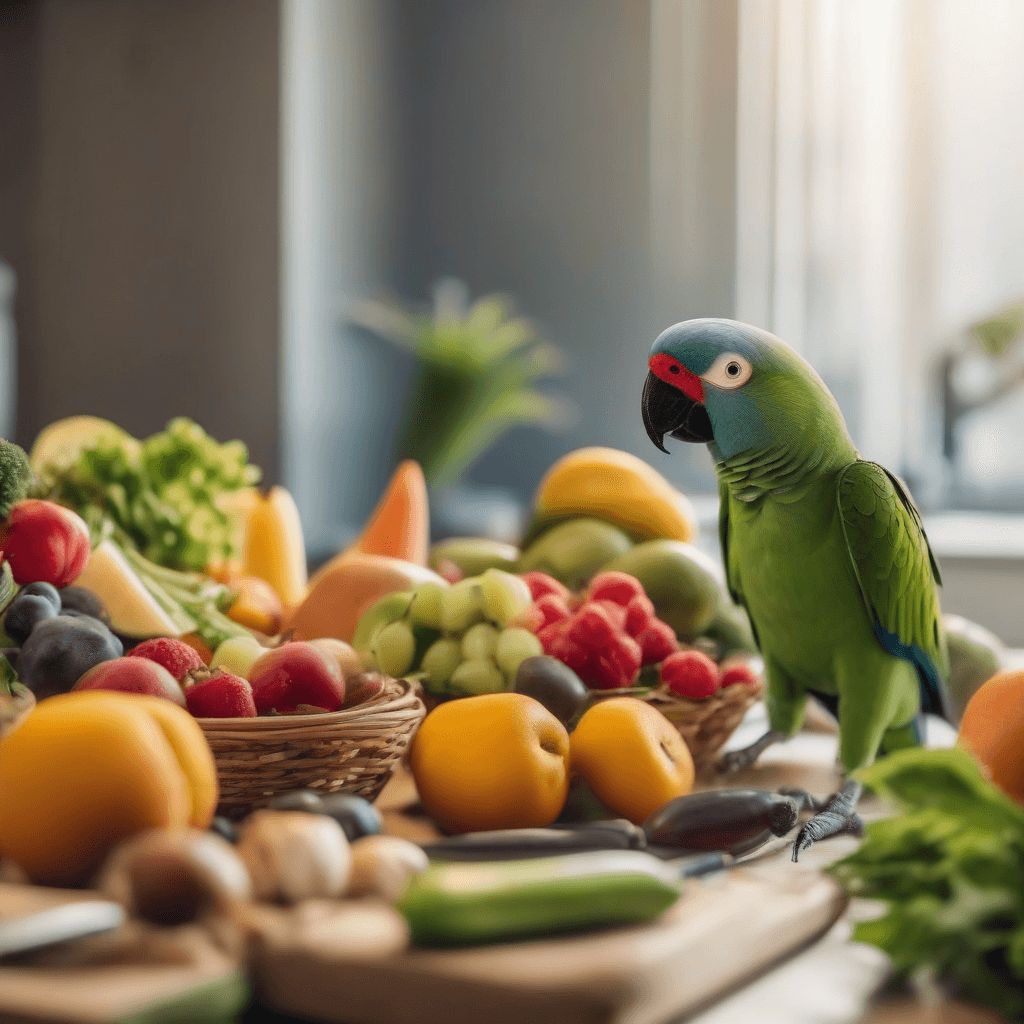
First, evaluate your bird's current diet with a veterinarian. Ensure that the new diet selected is appropriate for your bird's species, age, activity level, and current health status. Aim for a balanced diet including high-quality pellets, fresh vegetables, fruits, and appropriate grains. Never rely on "fancy" or "colorful" seed mixes on the market; they are often nutritionally inadequate.
Step 2: Gradual Mixing Technique and Ratios
This is the most critical step. Start by mixing the new food into your bird's existing diet in very small proportions (e.g., 10% new, 90% old). Maintain this ratio for several days or a week. Once you observe your bird getting accustomed to it, slowly increase the proportion of the new food (e.g., 20% new, 80% old). This process can take weeks, even months, depending on the situation. Never rush it! Gradual increase allows your bird's digestive system and microbiome to adapt to the new nutrients.
Step 3: Food Withdrawal and Re-presentation Method (If Necessary)
Some stubborn birds may resist trying new food. In this case, with your veterinarian's approval, you can briefly remove the old food for specific hours of the day and offer only the new food. For example, provide the new food early in the morning, and after a few hours, return the old food. Hunger can stimulate curiosity. However, never implement this method in a way that starves your bird, and continuously monitor its weight loss.
Step 4: Positive Reinforcement and Play-Based Approach
Make the new food appealing to your bird. Offer new vegetables or fruits in small pieces and hide them inside a toy or in different parts of the cage instead of the feeder. Gently praise and show affection when your bird tastes or approaches the new food. Seeing you "enjoying" the new food can also trigger its curiosity.
Step 5: Continuous Observation and Veterinary Support
Throughout the transition process, observe your bird very closely. If you notice changes in stool color or consistency, loss of appetite, weight loss, lethargy, or behavioral abnormalities, consult your veterinarian immediately. Regular weight checks are an important indicator that the transition is progressing safely. Your veterinarian will help you optimize the process according to your bird's specific needs.
Conclusion
Changing your bird's diet is a significant step for its health and well-being, but it must be taken with great care and based on scientific principles. By understanding the risks of "silent metabolic shock" caused by sudden diet changes and implementing the 5-step safe transition strategy outlined above, you can ensure your feathered friend lives a longer, healthier, and happier life. Remember, patience and consistency are key to this process.