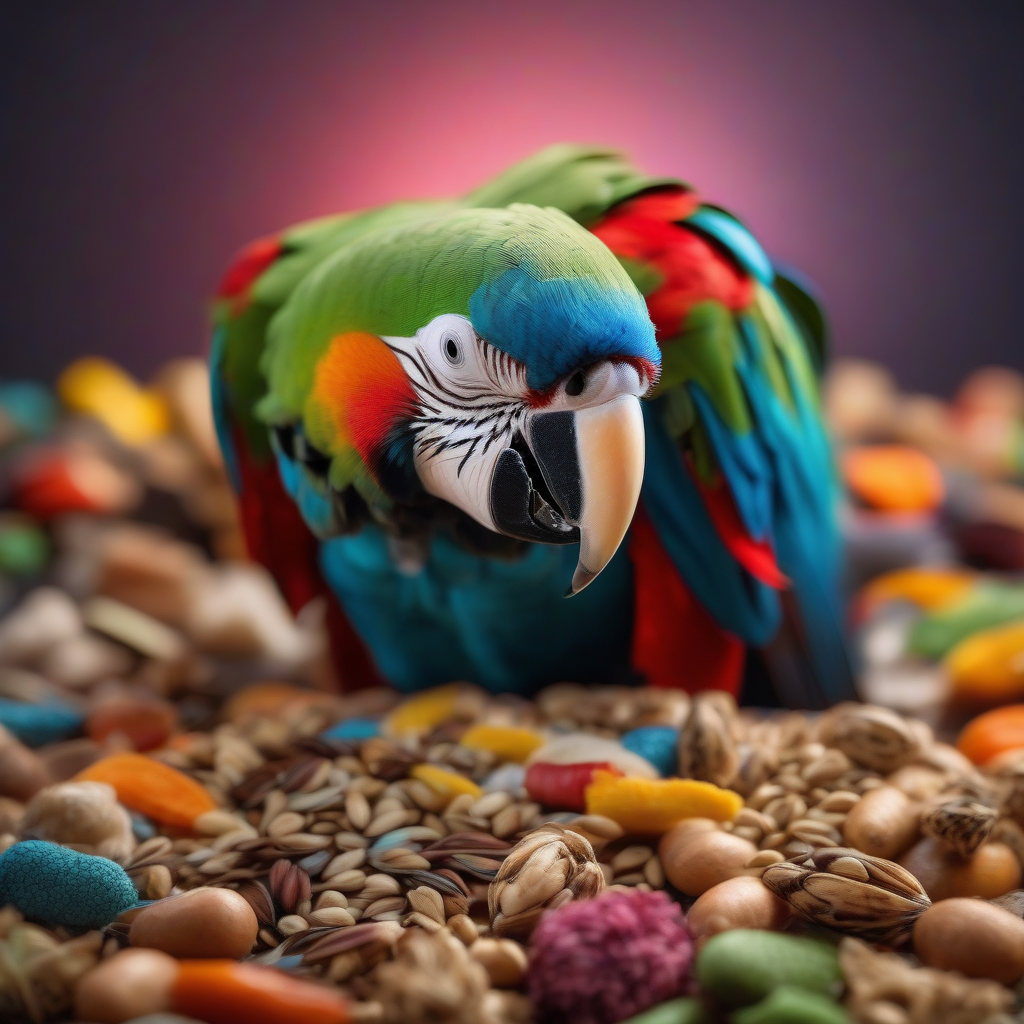
In this article, discover the scientific secrets of 5 rare minerals, crucial for your bird's health beyond seeds, and their potential for disease prevention.


In this article, we will deeply explore the insidious neurobiological effects of gut microbiome imbalance (dysbiosis) on your rabbit's brain health and provide scientific-based solutions to maintain mental vitality.

In this article, you can find comprehensive information on how pancreatitis in dogs not only affects the digestive system but also insidiously impacts the brain, its neuroinflammatory mechanisms, and lifesaving emergency intervention strategies.

Discover the 5 insidious effects of overfeeding, one of the most stealthy threats to your fish's health, causing neurometabolic destruction in their brains, and learn scientific feeding strategies to prevent this demise. Uncover the silent danger in your aquarium!
As bird owners, we pay utmost attention to the nutrition of our feathered friends. However, we often focus on the main food sources and miss the life-saving role of micronutrients that are overlooked or not sufficiently emphasized. While feeds are a fundamental source of nutrition for birds, their complex physiology and resistance to diseases require a deeper micronutrient crypt, something more than just seeds or commercial diets.
In this article, we will delve into the scientific secrets of 5 rare minerals that are crucial for protecting your bird's health, enhancing their resistance to diseases, and maximizing their overall well-being, minerals that are often overlooked.
Selenium plays a vital role in the proper functioning of the immune system in many bird species. Known for its antioxidant properties, this trace mineral protects cells from the harmful effects of free radicals. This strengthens the immune response, especially in birds fighting infections or under stress.
Selenium deficiency can lead to serious conditions like white muscle disease in birds. There is also research suggesting it helps inhibit the spread of some viruses. Therefore, adequate selenium intake supports your bird's overall health and resistance to diseases. In our article, Your Bird's Invisible 'Vitamin Codes': The Scientific Anatomy of Stealthy Deficiencies and Toxic Excesses!, we touched upon the importance of vitamins, but minerals are equally critical.
Iodine is indispensable for the production of thyroid hormones that regulate the metabolism of birds. Insufficient iodine intake can lead to an enlarged thyroid gland (goiter) and subsequent metabolic imbalances. This condition adversely affects the bird's overall energy levels, growth, and reproductive health.
Iodine is also important for birds' feather health and general energy. Adequate iodine intake ensures the optimal functioning of the thyroid gland, helping your bird be more vibrant and energetic. Salty or iodized feeds often meet this need, but they should be part of a balanced diet.
Manganese is a critical mineral for supporting bone development, contributing to cartilage formation, and improving reproductive functions in birds. Manganese intake is particularly important for young birds to grow and develop healthily.
Manganese plays a role in the activity of many enzymes and assists in protein and carbohydrate metabolism. A deficiency in this mineral not only affects physical development but also your bird's overall health and reproductive potential. It is commonly found in grains, leafy green vegetables, and some fruits.
Sulfur is a fundamental component of amino acids (methionine and cysteine) necessary for protein synthesis in birds' bodies. It also plays a significant role in the liver's detoxification process and in immune functions.
Sulfur helps in the elimination of harmful substances from a bird's body. Adequate sulfur intake ensures the liver functions more efficiently, contributing to the bird remaining healthier. Egg yolks, meat, and some legumes are rich sources of sulfur.
Molybdenum is a trace mineral required for the functioning of various enzymes in a bird's body. It plays a particularly important role in purine metabolism, contributing to the formation of uric acid. It is also thought to be involved in sulfite oxidation and iron metabolism.
The symptoms of molybdenum deficiency are generally non-specific but can lead to disruptions in general metabolic functions. Excessive molybdenum intake can also interfere with the absorption of certain minerals (like copper), so balance is essential.
Molybdenum is often found in sufficient quantities in naturally occurring foods. However, certain special diets or environmental factors can lead to deficiencies. Observing your bird's overall health status and consulting your veterinarian in case of suspicious symptoms is important.
Your bird's health is not just about basic vitamins and proteins. The correct balance of micronutrients, especially rare minerals, enhances their resistance to diseases, improves their overall well-being, and enables them to live longer, healthier lives. When creating your bird's diet or evaluating its current one, considering these 'secret crypts' is one of the most valuable gifts you can give them. We also touched upon this topic in our article, Your Bird's 'Secret Nutritional Hooks': Unforeseen Minerals Beyond Seeds and Stealthy Secrets to Disease Prevention!. Ensure you establish the most suitable nutritional plan for your bird's specific needs in collaboration with your veterinarian.
