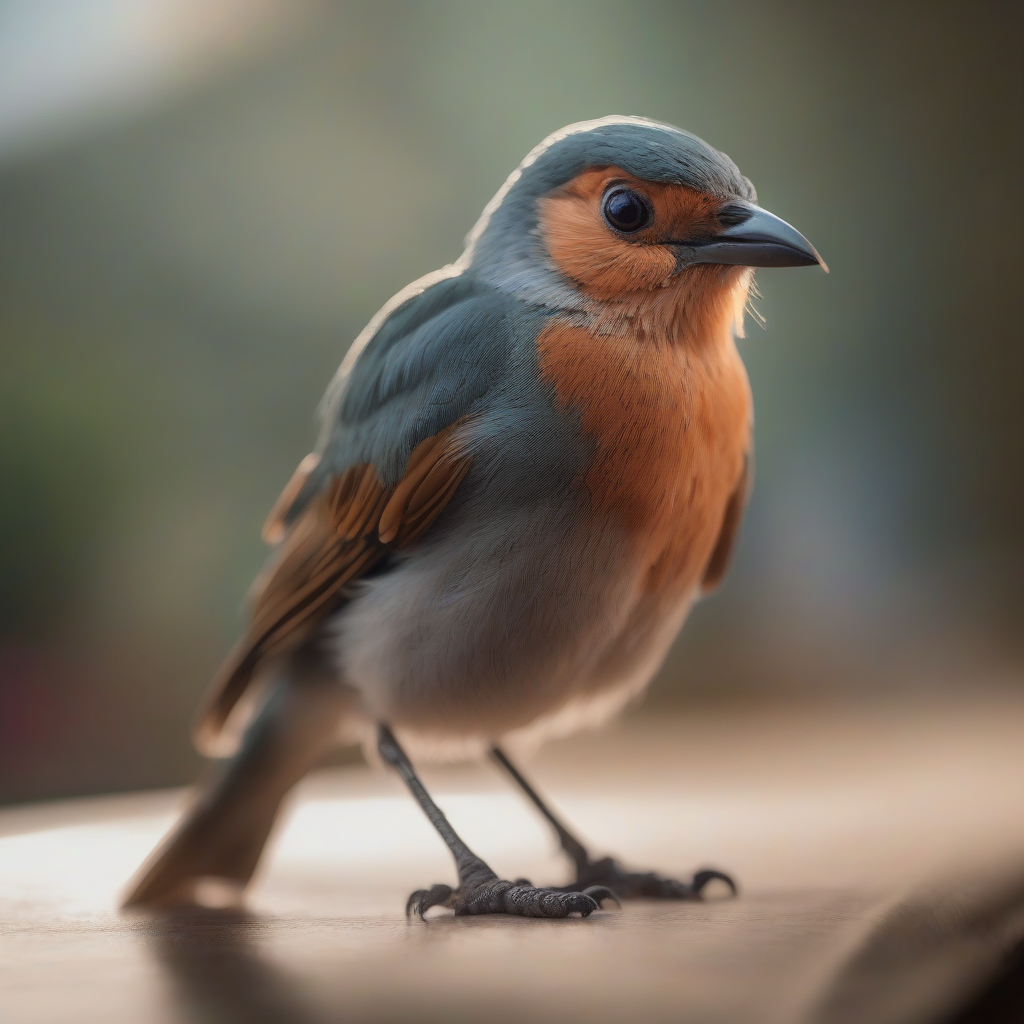
Re-evaluate your bird's dietary habits! Discover these hidden nutritional hooks where seeds alone fall short and the essential minerals that protect against diseases.


In this article, we will deeply explore the insidious neurobiological effects of gut microbiome imbalance (dysbiosis) on your rabbit's brain health and provide scientific-based solutions to maintain mental vitality.

In this article, you can find comprehensive information on how pancreatitis in dogs not only affects the digestive system but also insidiously impacts the brain, its neuroinflammatory mechanisms, and lifesaving emergency intervention strategies.

Discover the 5 insidious effects of overfeeding, one of the most stealthy threats to your fish's health, causing neurometabolic destruction in their brains, and learn scientific feeding strategies to prevent this demise. Uncover the silent danger in your aquarium!
The health of our pet birds is directly linked to their dietary habits. However, for many bird owners, 'bird seed' primarily brings to mind a variety of seed mixes. Yet, this one-sided nutritional approach overlooks many essential minerals and vitamins that our birds need, leaving them vulnerable to unrecognized health issues. In this article, we will delve into the 'hidden nutritional hooks' in your bird's diet and the unforeseen minerals that will boost their resistance against diseases.
Most commercial bird foods are far from the dietary diversity birds obtain in the wild. High-fat seeds, while meeting a bird's short-term energy needs, can lead to serious long-term health problems such as obesity, fatty liver disease, and heart disease. Furthermore, these seed mixes are deficient in essential minerals like calcium, phosphorus, iodine, and Vitamin D, which are critical for a bird's bone health, feather structure, and immune system. These deficiencies, over time, manifest with unnoticed symptoms and negatively impact their overall well-being.
The balance of calcium and phosphorus is vital for maintaining strong skeletal structure in birds and preventing issues like feather loss. The calcium requirement increases, especially during the laying period for female birds. Insufficient calcium intake can lead to egg binding, soft-shelled eggs, and osteoporosis. Phosphorus plays a role in calcium absorption and is necessary for energy metabolism. While the ideal calcium/phosphorus ratio varies by bird species, it is essential to ensure these minerals are consumed in the correct proportions within a balanced diet. As mentioned in Fish's Silent Skeletons: Calcium and Phosphorus Balance Wars and 5 Scientific Secrets to Securing Bone Health!, balanced mineral intake is fundamental for all species.
Iodine is an indispensable mineral for the proper functioning of a bird's thyroid gland. Thyroid hormones regulate metabolism and play a critical role in a bird's overall growth and development. Iodine deficiency can lead to an enlarged thyroid gland (goiter) and, consequently, symptoms such as difficulty breathing, fatigue, and feather loss. Goiter related to iodine deficiency can be observed, particularly in larger parrot species. When supplementing iodine for your bird, be cautious and adhere to the dosage recommended by your veterinarian, as excess can also harm the thyroid gland.
Vitamin D is essential for the absorption of calcium and phosphorus from the intestines. Birds can produce their own Vitamin D when exposed to sunlight. However, for birds living in enclosed environments or those that do not receive adequate sunlight, Vitamin D supplementation is of great importance. Vitamin D deficiency can lead to bone deformities known as rickets and a general deterioration of health. If you are unsure whether your bird is getting enough sunlight, consider using Vitamin D-fortified foods or sprays recommended by your veterinarian.
Zinc is a critical mineral for the healthy functioning of the immune system, wound healing, and feather development. Zinc deficiency can make birds more susceptible to infections, lead to feather loss, skin problems, and growth retardation. Naturally, some vegetables, fruits, and even some bird foods may contain zinc, but a balanced diet is necessary to ensure adequate intake. As highlighted in Your Bird's Secret Scent Map: Decode Stress Triggers, Enhance Well-being!, overall well-being and health are directly interconnected.
To optimize your bird's health, it is essential to move away from a seed-only diet and increase variety. Fresh vegetables (spinach, kale, carrots, broccoli), fruits (apples, bananas, blueberries), low-fat cooked legumes, and even high-quality nutritional supplements play a significant role in providing the minerals and vitamins your bird needs. Always consult with an avian veterinarian before making any dietary changes; they can help you create the most appropriate feeding plan for your bird's specific needs. Remember, proper nutrition is the key to your bird living a long, healthy, and happy life.
