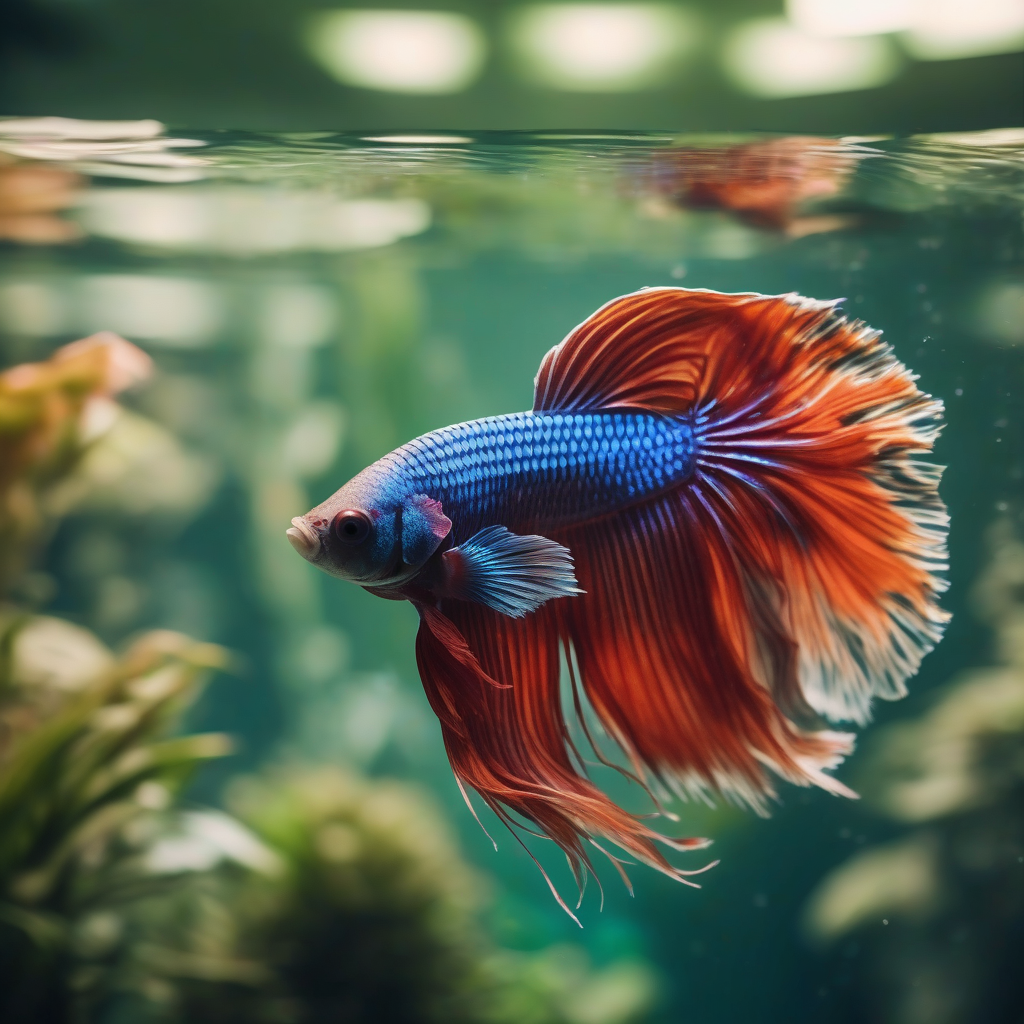
Discover the unknown aspects of your fish's hidden bone health. Learn the importance of calcium and phosphorus balance, signs of deficiency and excess, and 5 scientific secrets to building a healthy skeletal structure for your fish.


In this article, we will deeply explore the insidious neurobiological effects of gut microbiome imbalance (dysbiosis) on your rabbit's brain health and provide scientific-based solutions to maintain mental vitality.

In this article, you can find comprehensive information on how pancreatitis in dogs not only affects the digestive system but also insidiously impacts the brain, its neuroinflammatory mechanisms, and lifesaving emergency intervention strategies.

Discover the 5 insidious effects of overfeeding, one of the most stealthy threats to your fish's health, causing neurometabolic destruction in their brains, and learn scientific feeding strategies to prevent this demise. Uncover the silent danger in your aquarium!
The colorful and active world in your aquarium not only offers a visual feast but also harbors a delicate biological balance. One of the most fundamental pillars of this balance is the invisible yet vital structure of your fish: their bones. Bone health is indispensable for the overall well-being, mobility, and even reproduction of fish. However, there's a fact overlooked by many aquarium owners: fish bone health is directly linked to nutrition, revolving around two often neglected key minerals: calcium and phosphorus.
These two minerals play complementary critical roles in the construction, repair, and maintenance of fish skeletal systems. While calcium provides hardness and structure to bones, phosphorus is essential for bone flexibility and metabolic processes. The correct balance between these minerals is a must for fish to lead healthy lives. However, achieving this balance in an aquarium environment might not be as simple as just feeding them.
The calcium and phosphorus ratio in fish diets should generally be between 1:1 and 2:1 (calcium:phosphorus). This ratio can vary depending on the species and the fish's life stage. For instance, juveniles and breeding females require more calcium. The composition of the food, the mineral content of the water used, and even the presence of other inhabitants in the aquarium can affect this balance.
Calcium deficiency can lead to various problems in fish. The most apparent signs include:
An excess of phosphorus can also negatively impact bone health, similar to calcium deficiency. Excessive phosphorus can indirectly lead to calcium deficiency by hindering calcium absorption. Furthermore, an over-accumulation of phosphorus in the water can cause undesirable algae blooms and a decline in water quality.
Here are scientific strategies you can implement to ensure your fish have strong and healthy skeletal structures:
Species-Specific Food Selection: Every fish species has different dietary needs. Research the natural feeding habits and mineral requirements of the fish species you acquire for your aquarium, and choose appropriate, balanced, and high-quality foods. Carefully examine the ingredients of your fish food and pay attention to the calcium and phosphorus ratios.
Mineral Supplementation from Natural Sources: Some foods are naturally rich in calcium and phosphorus. Natural sources like seaweed (spirulina, chlorella), shrimp shells, or specially formulated mineralized shrimp foods are great ways to provide these minerals to your fish. However, it's important not to overdo it when supplementing.
Regular Monitoring of Water Parameters and Maintaining Ideal Ratios: The calcium and magnesium ratio in aquarium water (GH value) is important for fish calcium absorption. Additionally, the water's pH level also affects the solubility of minerals. Conduct regular water tests to ensure GH and pH levels are within the appropriate range for your species. The importance of water parameters is detailed in Your Fish's 'Invisible Stress Source': Insidious Dangers of pH and Hardness Fluctuations in Aquariums and Scientific Secrets to Solutions!.
Scientific Supplements When Necessary: If food and water parameters are insufficient, you can use liquid or powdered calcium and phosphorus supplements specifically produced for fish, upon the recommendation of your veterinarian. Strictly follow the dosage instructions when using these supplements.
Importance of Aquarium Cleaning and Removal of Harmful Substances Accumulating in Water: In dirty aquariums, harmful substances like ammonia and nitrite accumulate. These substances can hinder mineral absorption and compromise the overall health of fish, paving the way for bone problems. Regular water changes and aquarium cleaning not only maintain water quality but also aid in better mineral absorption. Our article Invisible 'Biological Filter Disaster' in Fish Aquariums: Silent Collapse of Bacterial Colonies and 5 Scientific Secrets to Saving the Aquarium Ecosystem! will guide you on this matter.
Your fish's skeletal health is a battle they fight silently. With the right nutrition and conscious care, you can support them in this battle and create a healthy and mobile living space in your aquarium. Remember, strong bones mean happy fish!
