In this article, we will delve into the scientific secrets of vital vitamin balance in your bird's diet, exploring stealthy deficiencies and potential toxic excesses. You will develop informed nutrition strategies for optimal bird health.


In this article, we will deeply explore the insidious neurobiological effects of gut microbiome imbalance (dysbiosis) on your rabbit's brain health and provide scientific-based solutions to maintain mental vitality.

In this article, you can find comprehensive information on how pancreatitis in dogs not only affects the digestive system but also insidiously impacts the brain, its neuroinflammatory mechanisms, and lifesaving emergency intervention strategies.

Discover the 5 insidious effects of overfeeding, one of the most stealthy threats to your fish's health, causing neurometabolic destruction in their brains, and learn scientific feeding strategies to prevent this demise. Uncover the silent danger in your aquarium!
A healthy and long life for our pet birds is directly linked to proper nutrition. However, "proper nutrition" means much more than just a seed-filled feeder. Vitamins, the building blocks of every biological process in a bird's body, are like "invisible codes" that are often overlooked. When the balance of these codes is disrupted, stealthy deficiencies (hypovitaminosis) or toxic excesses (hypervitaminosis) emerge, seriously threatening your bird's health. In this article, we will delve into the scientific secrets of the vital vitamin balance in your bird's diet, its overlooked dangers, and the strategies you can implement for optimal well-being.
Vitamin deficiencies often progress slowly and insidiously, severely weakening the bird's overall health before showing obvious symptoms. Many bird owners might overlook these secret nutritional hooks.
Vitamin A is essential for a bird's vision, reproductive health, epithelial tissue integrity, and most importantly, a strong immune system. It is one of the most common deficiencies seen in birds fed seed-heavy diets. Symptoms: Swelling of the nostrils and eyes, eye discharge, poor feather structure, respiratory difficulties, reproductive problems, and increased susceptibility to infections. This deficiency can also affect your bird's feather health and grooming, leading to weakening in its invisible armor.
Vitamin D is critically important for calcium and phosphorus absorption and metabolism. Vitamin D deficiency is common in indoor birds that do not get enough sunlight or UV-B exposure. Symptoms: Weak bone structure (rickets), abnormalities in beak and claws, reduced eggshell quality, reproductive failure, and behavioral changes (restlessness, difficulty perching).
B vitamins (B1, B2, B3, B6, B12, etc.) are vital for a bird's metabolism, energy production, and nervous system functions. Although seeds are rich in some B vitamins, unbalanced diets or digestive problems can lead to deficiencies. Symptoms: Neurological issues (seizures, loss of coordination, paralysis), loss of appetite, stunted growth, weakness, and general lethargy. Digestive problems can manifest with symptoms similar to your bird's crop stasis crisis.
Not only deficiencies but also vitamin excesses can cause serious health problems for birds. Especially fat-soluble vitamins (A, D, E, K) carry an overdose risk because they are stored in the body.
Unlike humans, birds can synthesize their own Vitamin C. Therefore, a healthy bird does not need Vitamin C supplementation. Excessive Vitamin C supplementation can lead to digestive discomfort and, rarely, affect the absorption of other nutrients. This situation can also be perceived as a stress trigger in some birds.
To ensure your bird's vitamin balance, it is essential to adopt a conscious and scientifically based approach.
Balanced pellet diets, unlike commercial seed mixes, contain all the essential vitamins and minerals birds need in the correct proportions. Pellet diets should constitute at least 60-80% of a bird's diet. These foods play a critical role in preventing vitamin deficiencies.
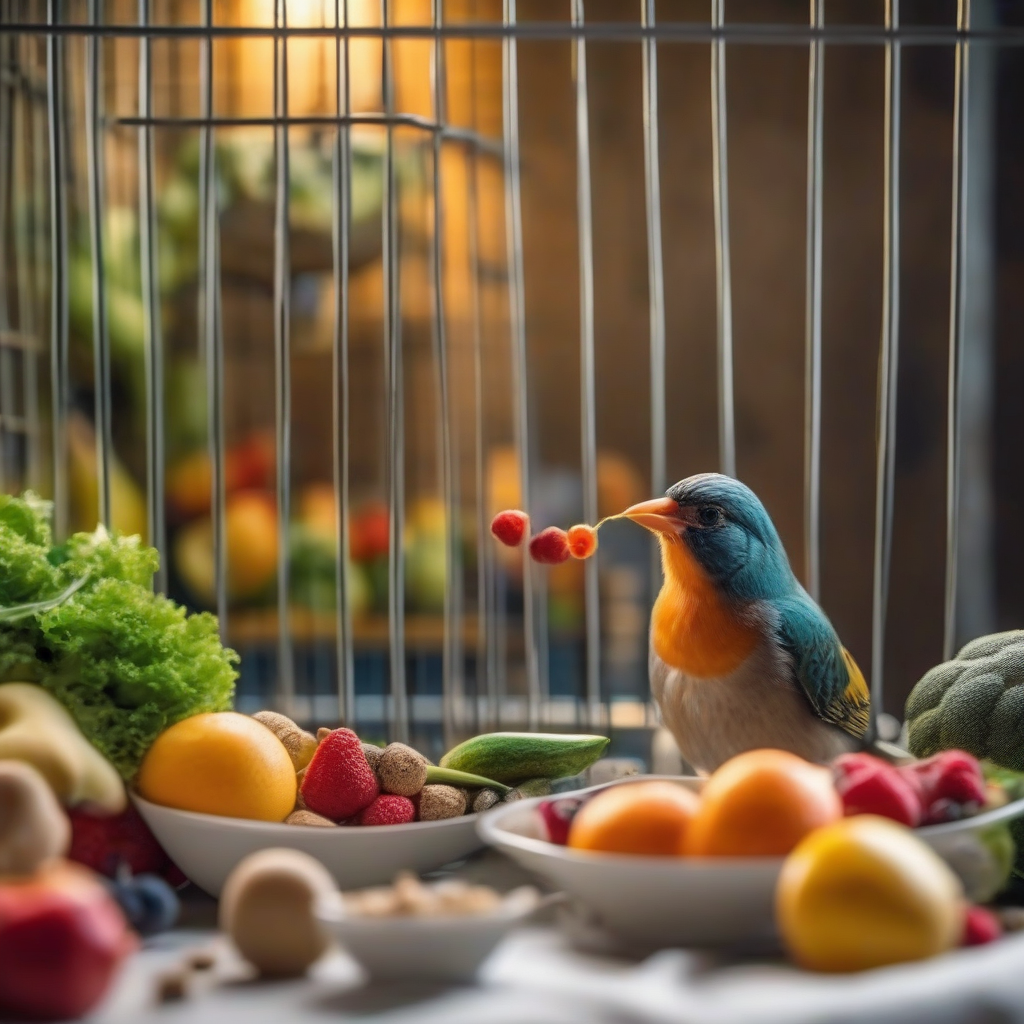
In addition to pellets, offering your bird a variety of fresh vegetables, fruits, and greens provides natural vitamin sources. Broccoli, carrots, sweet potatoes (Vitamin A), spinach, kale (Vitamin K), and various fruits (antioxidants) enrich the diet. Variety increases nutrient intake and contributes to your bird's mental stimulation. However, always ensure you are choosing foods safe for your bird.
Vitamin supplements should only be used under the advice and supervision of a veterinarian. Unbalanced or excessive supplementation carries the hypervitaminosis risks mentioned above. Supplements can be beneficial, especially for sick, elderly, breeding, or recovering birds, but dosage and duration are critically important. A personalized supplementation plan should be created considering your bird's current eating habits and health status.
Understanding your bird's invisible vitamin codes is one of the most important steps you can take for its health and well-being. Stealthy deficiencies or toxic excesses can lead to serious long-term health problems. You can keep your bird's vitamin balance at optimal levels with balanced pellet diets, a variety of fresh foods, and supplements used under veterinary supervision when necessary. Remember, a healthy bird is a happy bird, and the foundation of this happiness lies in scientifically based proper nutrition.
