Your Bird's 'Invisible Liver Silence': The Scientific Secrets of Stealthy Fatty Liver Disease Triggered by Malnutrition!
Our pet birds carry a great deal of life energy in their tiny bodies. However, the health of these delicate creatures, especially their internal organs, is built on a careful balance. A stealthy enemy, often overlooked or with symptoms unnoticed, can severely threaten our birds' quality and duration of life: Fatty Liver Disease (Hepatic Lipidosis). This condition, primarily triggered by improper feeding habits, progresses with an 'invisible silence,' slowly destroying liver function. As of March 2026, get ready to unravel the deep connections of this mysterious disease with nutrition and the secrets of how to defeat it, in light of the latest scientific findings.
Fatty Liver Disease (FLD): A Stealthy Threat in Birds
Fatty Liver Disease (FLD), or hepatic lipidosis, is a condition characterized by excessive fat accumulation in liver cells. It is quite common in birds, especially cage birds like parrots, budgerigars, and canaries. The liver is one of the body's most vital organs; it performs critical tasks such as metabolism, detoxification, production of digestive enzymes, and nutrient storage. As fat accumulation increases, the normal functions of the liver begin to impair, leading to severe health problems and even death. The biggest trigger for this condition is largely dietary patterns.
'Invisible Dietary Culprits': The Scientific Anatomy of an Improper Diet
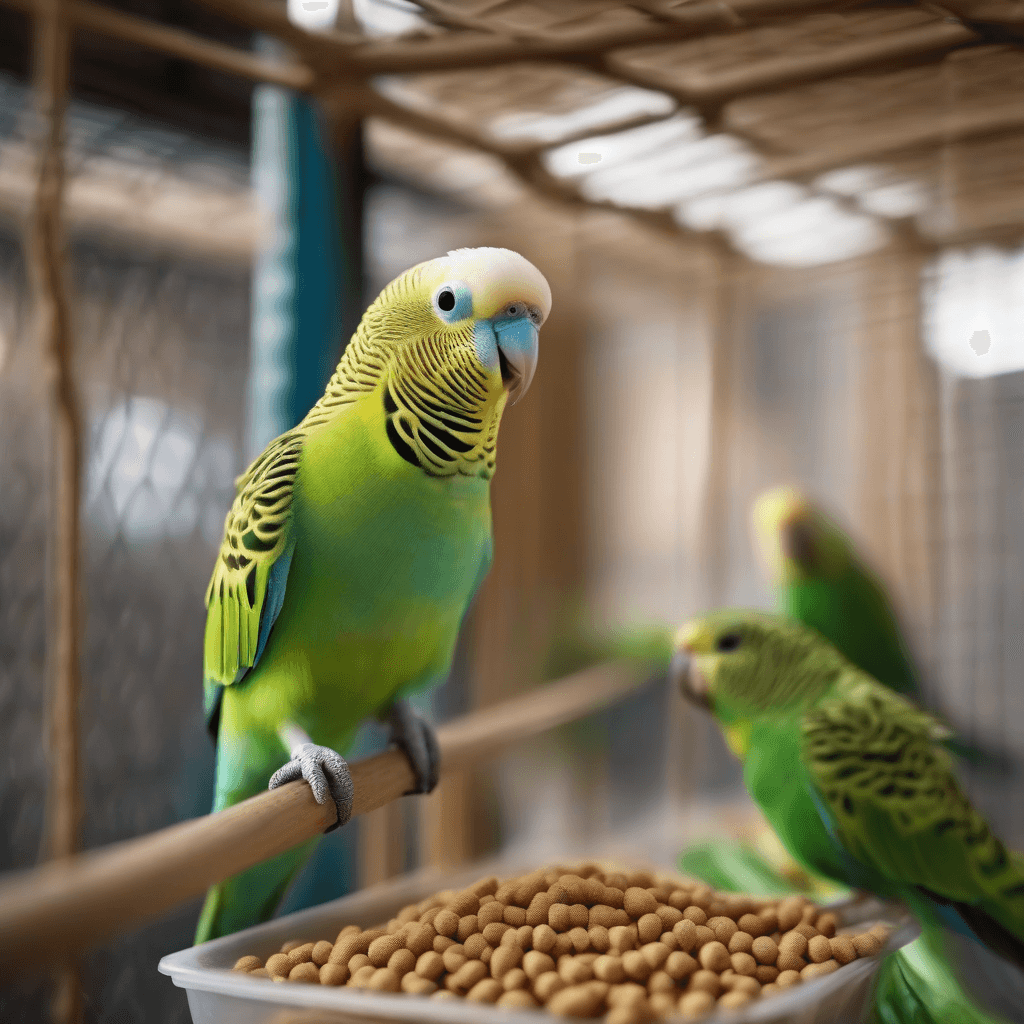
The most significant factor underlying FLD is the low-nutrient, high-fat/carbohydrate diets commonly fed to birds. A seed-only diet is far removed from the balanced and varied food sources birds find in nature. While seeds are energy-rich, fatty seeds like sunflower seeds, when consumed excessively, have a high-fat content that leads to fat accumulation in the liver. Additionally, sugary snacks, human foods (junk food), and imbalanced pellet diets can also trigger this problem.
- High Carbohydrate and Fat Content: Cereal-heavy seeds, especially for certain species (e.g., budgerigars), contain excessively high carbohydrate and fat levels compared to their natural diets. If the bird's activity level does not match this energy intake, the excess is stored as fat in the liver. The article Your Dog's 'Invisible Sweet Trap' in Food: Hidden Carbohydrates and Long-Term Health Secrets! discusses a similar topic for a different species.
- Protein and Micronutrient Deficiency: Insufficient protein intake weakens the liver's ability to metabolize fats. Moreover, seed-based diets are often deficient in vitamins and minerals critical for liver health, such as vitamins A, D, E, K, B vitamins, and choline. These micronutrient deficiencies reduce the liver's capacity to cleanse toxins and process fats. Topics like Your Bird's 'Secret Micronutrient Crypt': Scientific Secrets of 5 Rare Minerals That Prevent Diseases Beyond Seeds and Your Bird's 'Invisible Vitamin Codes': The Scientific Anatomy of Stealthy Deficiencies and Toxic Excesses! emphasize the importance of these deficiencies for birds.
Lifesaving Secrets of Early Diagnosis: Deciphering the Silent Signals
FLD is often an 'invisible' disease because it typically shows no obvious symptoms in its early stages. However, a careful observer can notice the following insidious signs:
- Weight Gain and Bloating: Noticeable weight gain, particularly in the abdominal area. You might feel a lump or fat accumulation in the abdomen.
- Feather Problems: Dull, disheveled feathers, increased feather loss, or abnormal feather growth. Feather plucking behavior may also be observed.
- Changes in Droppings: Oily, sticky, or abnormally colored droppings.
- Behavioral Changes: Lethargy, decreased activity, drowsiness, loss of appetite, or, conversely, excessive appetite (in some cases).
- Beak and Nail Deformities: Overgrowth, brittleness, or discoloration. (This can also be seen in calcium deficiency conditions like Your Bird's 'Secret Bone Treasury': The Science Behind Calcium Absorption and the Mysterious Treatment of Fragile Bones!, so a comprehensive evaluation is essential).
If you notice any of these symptoms, immediately contacting an avian veterinarian is vital. Veterinarians can diagnose through physical examination, blood tests (liver enzyme levels), ultrasonography, and if necessary, a biopsy.
Scientific Protection Strategies: An Optimal Nutrition Revolution
The key to preventing and treating FLD is to make radical changes in your bird's diet. This requires a 'nutrition revolution':
- Transition to a Pellet Diet: High-quality pellet feeds contain all the nutrients birds need in a balanced way. A gradual transition from seed-based diets to pellets is the most important step for liver health.
- Fresh Vegetables and Fruits: Enrich your bird's diet with a variety of fresh vegetables and fruits like broccoli, spinach, carrots, apples, and strawberries. These foods are rich in vitamins, minerals, and antioxidants, supporting the liver's detoxification processes.
- Limit Fatty Seeds: Fatty seeds like sunflower and safflower should be given as treats or in very small amounts.
- Hydration: Provide constant access to fresh, clean water. Water is critical for metabolic and detoxification processes.
- Exercise and Mental Stimulation: Regular flight and play boost your bird's metabolism and help with weight management. Additionally, optimal nutrition and quality of life are also important for different species, as highlighted in articles like Your Hamster's 'Secret Digestive Treasury': Scientific Secrets of the Dual Stomach System and Optimal Nutrition Revolution!.
Fatty liver disease is a common but preventable illness in birds. With proper nutrition and regular veterinary check-ups, you can ensure your bird lives a long, healthy, and happy life. Remember, a healthy liver is fundamental to your bird's overall well-being.