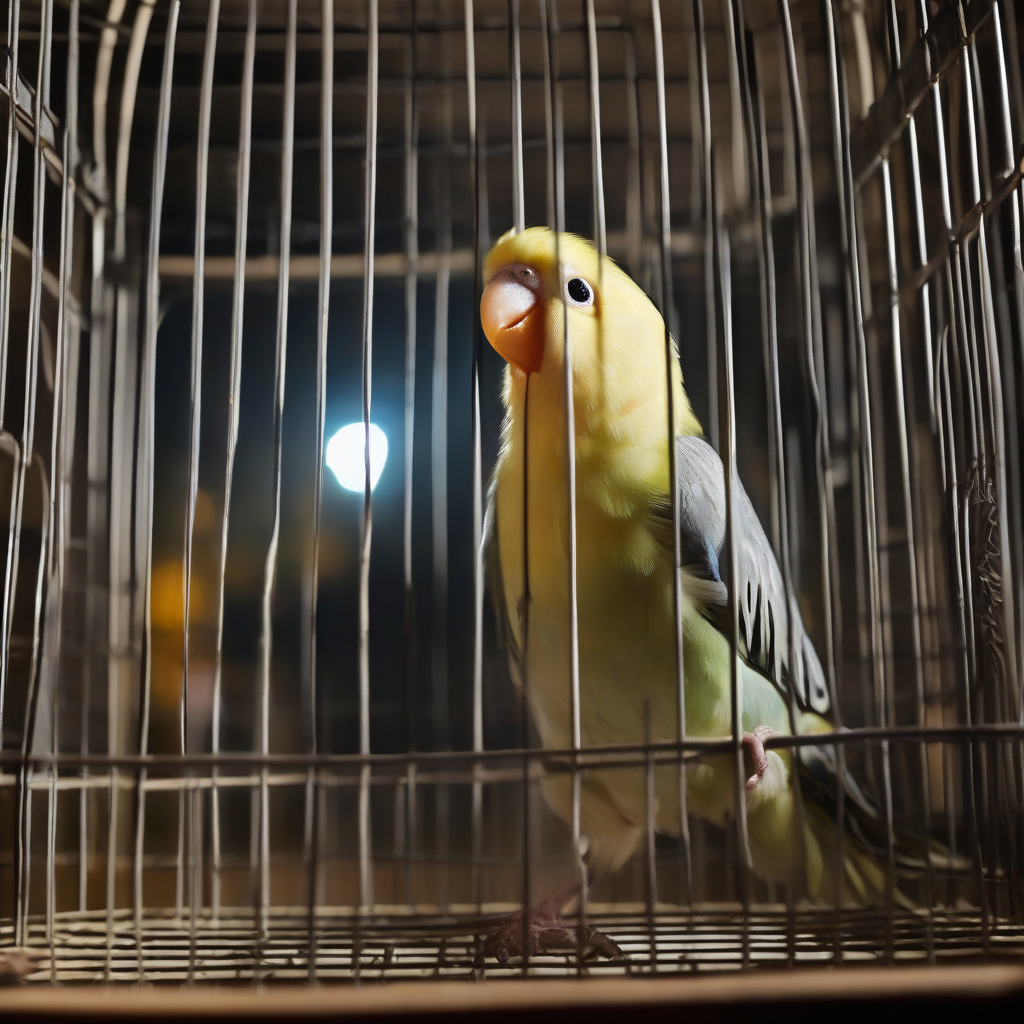
In this article, you will find comprehensive information on the scientific reasons behind night frights in birds, their environmental and psychological triggers, and 5 critical steps you can take to ensure your bird has a peaceful sleep.


In this article, we will deeply explore the insidious neurobiological effects of gut microbiome imbalance (dysbiosis) on your rabbit's brain health and provide scientific-based solutions to maintain mental vitality.

In this article, you can find comprehensive information on how pancreatitis in dogs not only affects the digestive system but also insidiously impacts the brain, its neuroinflammatory mechanisms, and lifesaving emergency intervention strategies.

Discover the 5 insidious effects of overfeeding, one of the most stealthy threats to your fish's health, causing neurometabolic destruction in their brains, and learn scientific feeding strategies to prevent this demise. Uncover the silent danger in your aquarium!
The cheerful chirping and lively spirits of our pet birds fill our homes during daylight hours. However, when night falls, some bird owners may encounter an unexpected situation: sudden flapping in the cage, sounds of hitting something hard, and panic-stricken squawks. This phenomenon is known as "night frights" or "night terrors," and it can be quite stressful not only for your bird but also for you. These silent screams often stem from deep psychological and environmental factors that are usually overlooked. So, what are the scientific codes behind these fears, and how can we ensure your bird has a peaceful night?
Night frights occur when birds suddenly startle awake and begin flapping frantically in a panic. This is usually triggered by a sudden sound, shadow, or perceived threat in darkness or semi-darkness. Scientific research indicates that these reactions are deeply connected to birds' evolutionary history.
In the wild, birds are easy targets for predators at night. Therefore, even the slightest sound or movement can trigger their survival instincts. Our pet birds also carry this genetic legacy. Even when safe in an enclosed cage, any perceived danger in the dark can activate the "fight or flight" response developed by their ancestors over millions of years. This is a fear response rapidly processed in the amygdala region of the brain, resulting in a physical reaction before conscious thought.
Factors that trigger night frights in birds are typically environmental:
Night frights are not solely about sudden triggers; the bird's overall stress level also plays a significant role. A bird that is constantly under stress or anxiety will be more prone to night frights. Changes in living environment, the arrival of a new pet, lack of sufficient mental or physical stimulation, or even subtle behavioral signals reflecting environmental stimuli can increase your bird's stress levels. This can also negatively impact your bird's learning performance, as they may lose learning performance under stress.
To minimize night frights and ensure your bird has a peaceful sleep, you can take scientifically based steps.
The placement and internal arrangement of your bird's cage are vitally important.
Birds need a gradual darkening process similar to sunset.
Like all pets, birds thrive on routines, and this reduces their anxiety.
Healthy nutrition and sufficient physical activity are essential for overall mental well-being.
If night frights persist despite all precautions, there might be an underlying health issue or advanced anxiety.
Birds experiencing persistent night frights suffer from chronic stress in addition to physical injuries. This can weaken the immune system, lead to feather plucking (a sign of stress), and reduce overall quality of life. In the long term, the risk of behavioral problems and depression can also increase. Therefore, taking night frights seriously and intervening early is crucial for your bird's physical and psychological health.
Conclusion
Your bird's night frights are not just a sudden moment of panic, but a call for help from its inner world. By implementing these scientifically based steps, you can help your feathered friend feel secure in the dark and ensure it has a peaceful and healthy sleep. Remember, small environmental adjustments and an understanding approach can make a big difference in your bird's quality of life.
