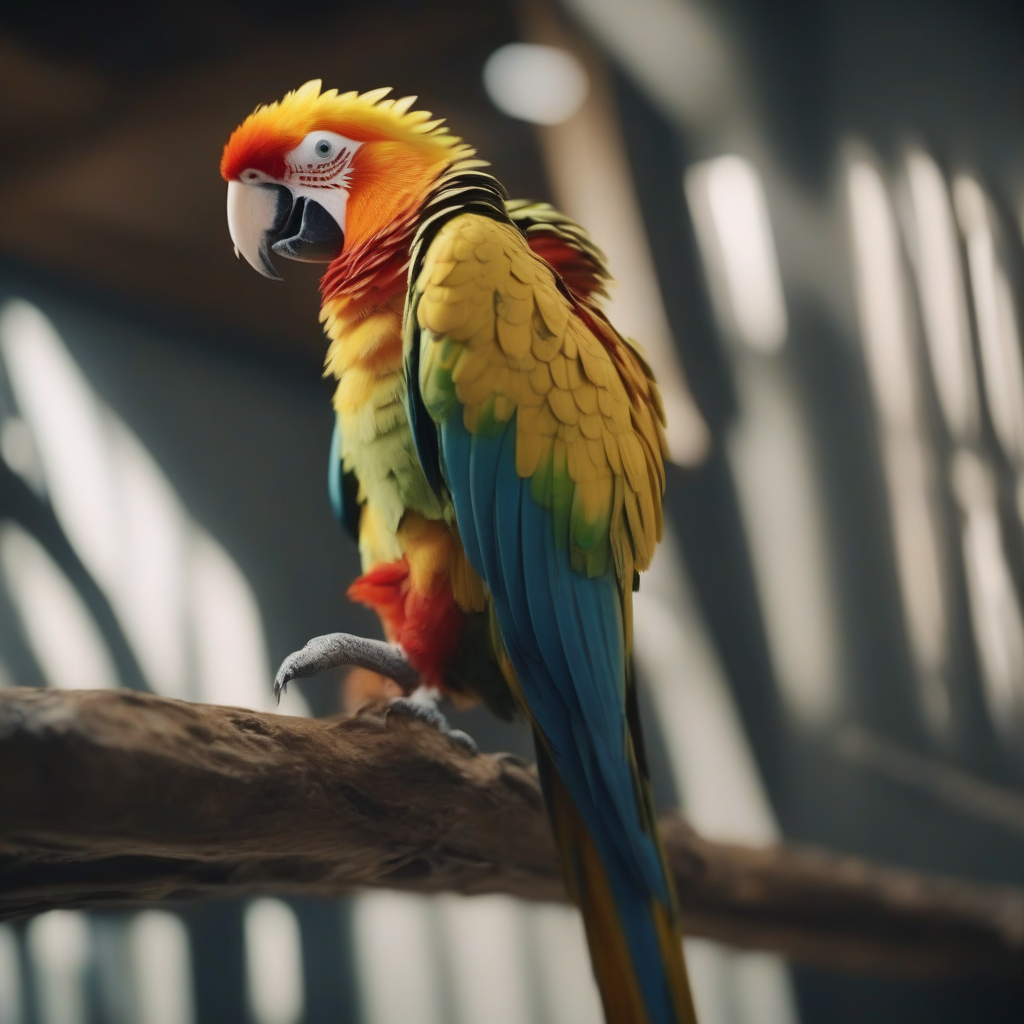
Discover scientific care strategies to understand your pet bird's seasonal molting process and ensure a comfortable, painless experience. Protect your feathered friend's health with optimal nutrition, stress management, and proper hygiene.


Discover the neurobiological signals of hidden stress your newly adopted cat experiences during adaptation to a new social environment. This article reveals 5 insidious signs of your cat's silent struggle and scientific strategies for peaceful, long-term harmony.

Your dog's anal sacs, located beneath the tail, can be hidden alarm bells often overlooked but profoundly affecting their quality of life. In this article, you will discover the 5 insidious neurobiological effects of anal sac problems on the brain and the lifesaving care secrets you need to know for your furry friend to live a peaceful life.
In this article, you will find comprehensive information on the insidious neurotoxic effects of heavy metal poisoning in aquarium fish, its symptoms, and lifesaving emergency intervention codes. This condition, which can arise from household water sources, improper equipment, or neglect, can severely threaten your fish's quality of life and lifespan.
Introduction: For our pet birds to lead healthy and happy lives, there are many important care details we must pay attention to. However, among these details, the process of "molting" or "feather renewal," a critical part of a bird's natural life cycle, is often overlooked. Molting, contrary to popular belief, is not merely an aesthetic condition but a complex biological event that directly affects your bird's overall health and comfort. When mismanaged, this process can lead to significant stress and health problems for birds. So, how can you understand your bird's secret art of renewal and provide them with the most painless, scientific support?
Birds periodically renew their feathers because they wear out over time, lose functionality, and become unhygienic. This process is called "molt." Molt is a highly energy-intensive process, usually triggered by seasonal changes (light cycle, temperature), hormonal fluctuations, and general health status. Old feathers slowly fall out to make way for new growth, and new "pin feathers" emerge on the bird's body from the follicles. These new feathers have a blood supply at their base and are very delicate. An incorrect touch or impact can cause these feathers to bleed or be damaged. During this period, your bird's energy may decrease, appetite may change, and you might observe differences in their behavior.
During molting, your bird might become more reclusive, move less than usual, and preen or scratch themselves more frequently. Preening increases during this period as they try to clean the keratin sheaths from new feathers and help them unfurl. Providing them with a special comfort zone is crucial to prevent stress during this sensitive time. If your bird has received Voluntary Examination Training, it will facilitate any health checks during this delicate period.
Molting demands high amounts of protein, amino acids, and minerals from the bird's body. New feathers are composed of 85-90% protein. Therefore, enriching your bird's diet during this period is vital. It should be supplemented with high-quality protein sources (boiled eggs, legumes, specialized bird foods), fresh vegetables, fruits, and vitamin-mineral supplements (especially B vitamins, calcium, and zinc). Remember that nutritional deficiencies can reduce feather quality and prolong the molt. Since your bird's general internal health and detoxification mechanisms also affect the feather renewal process, it is important to pay attention to liver health by reading our article Your Bird's 'Invisible Liver Burden'.
Adequate humidity is critical for the healthy emergence of new feathers and the easy shedding of old ones. Low ambient humidity can make molting difficult and increase the bird's itching. Offering daily mist baths (with lukewarm water) or a bathing dish helps your bird clean its feathers and moisturize its skin. This also allows the keratin sheaths on new feathers to soften and open more comfortably.
Molting, though a natural process for birds, is quite exhausting and stressful. During this period, your bird needs to be in as calm and peaceful an environment as possible. Sudden noises, rapid movements, and crowded environments should be avoided. The cage placement should allow for natural light but not direct sun exposure. As stated in our article Your Bird's 'Night Frights', regular and sufficient sleep is essential for stress management. Ensuring your bird gets uninterrupted sleep in a dark, quiet environment will accelerate the recovery process.
Cage cleanliness becomes even more important during the molting period. Shed feathers and feather dust can invite allergens and respiratory problems. The cage should be cleaned frequently, and fresh water and food should be provided. Furthermore, by learning about Your Bird's 'Invisible Air Quality', you can optimize the air quality in your bird's living environment, protecting their respiratory tracts and making the molting process healthier. Air purifiers or good ventilation can help reduce feather dust.
During normal molting, slight gaps in your bird's feathers, emerging new feathers, and general lethargy are normal. However, the following situations may require consulting a veterinarian:
Conclusion: Your bird's molting is a part of its nature and can be navigated painlessly and healthily with the right care strategies. By understanding this "secret art of renewal" and providing scientific-based support, you can ensure your feathered friend enjoys a brighter, healthier, and happier life. Remember, the attention you give to details will strengthen the bond between you and your bird and enhance their well-being.
