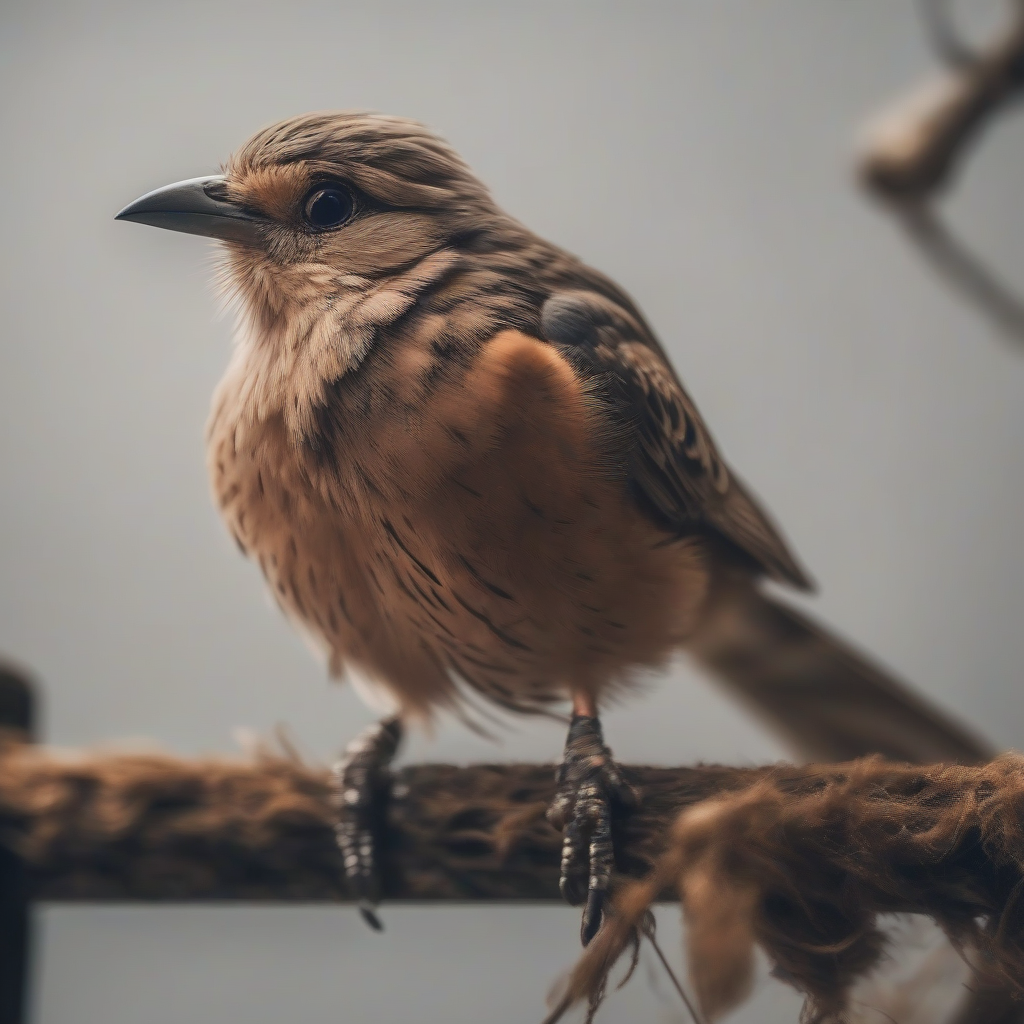
In this article, you will discover the neurocognitive secrets to how your bird can achieve faster and more effective progress in training by utilizing its vocal mimicry ability.

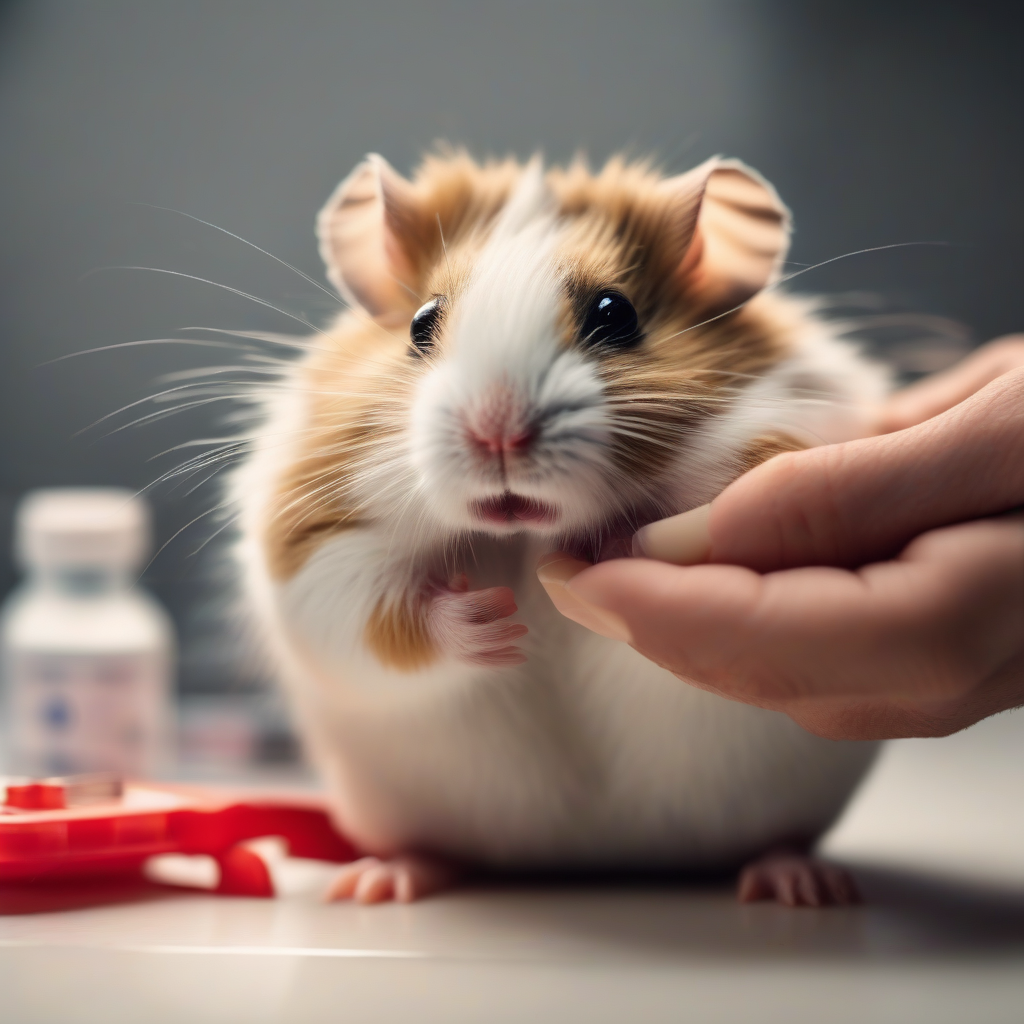
Acute respiratory obstruction, or choking, in your hamster is one of the most urgent, life-threatening emergencies. In this article, we will delve into the 5 insidious neurophysiological effects of choking on your hamster's brain and the lifesaving emergency intervention codes you can apply in this critical situation. Swift and correct action can save your tiny friend's life.
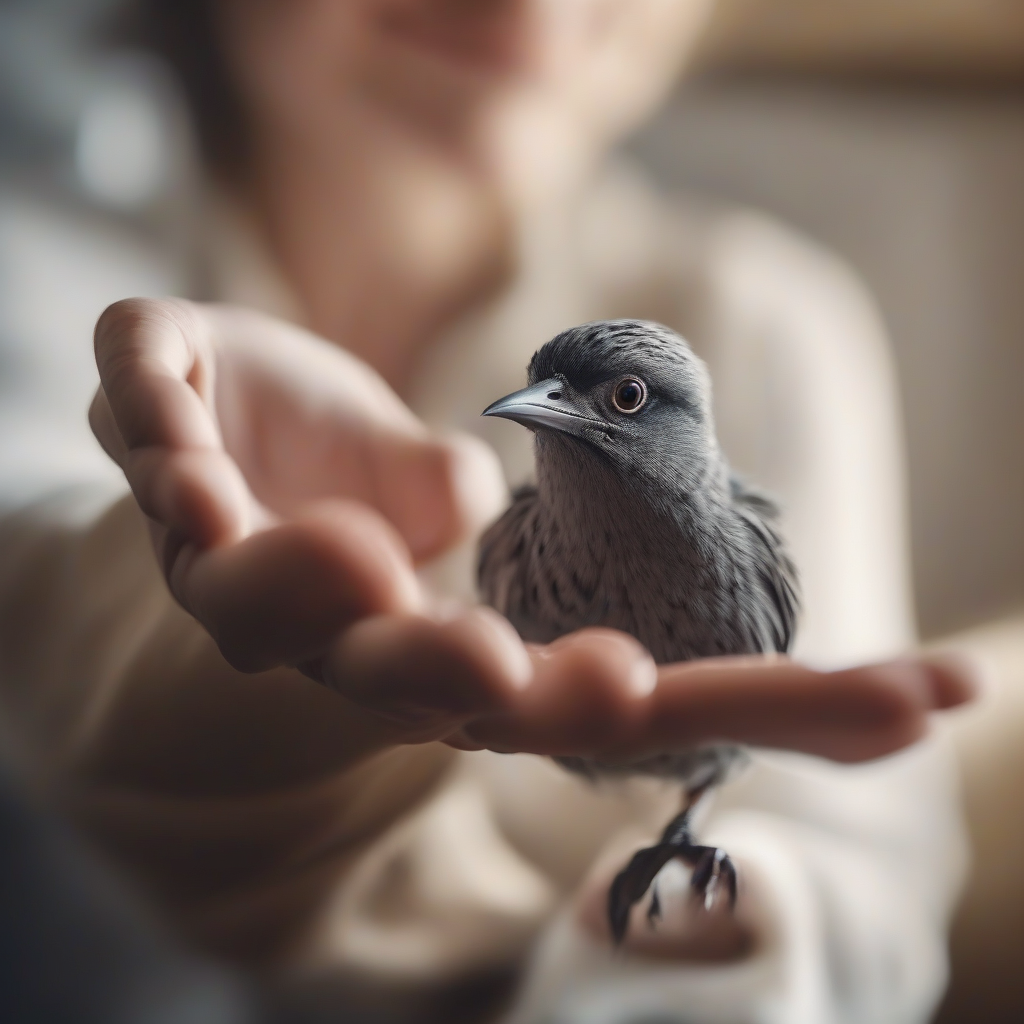
In this article, we scientifically examine the 'shadow of the past' carried in the brains of rehomed birds, exploring the neurocognitive effects of old home connections and secrets to building lasting trust in their new homes.

Adequate water intake is fundamental for your cat's overall health and especially brain function. This article deeply explores the insidious neurobiological effects of chronic dehydration on your cat's brain and offers lifesaving scientific hydration strategies.
Birds have always fascinated us with their intelligence and social interaction capabilities. Their vocal mimicry skills, in particular, show that they are not just creatures that produce beautiful sounds, but also possess complex learning mechanisms. So, how can we use this fascinating ability as a key in training our dear companions? Let's explore the neurocognitive secrets to transforming vocal mimicry into a superpower in training by decoding the hidden 'command map' in your bird's brain.
Birds' ability to mimic vocals is often seen as a skill performed merely to entertain their owners. However, from a neurocognitive perspective, this ability is an indicator of the bird's capacity to understand its environment, build social bonds, and even learn simple commands. This ability reflects the development and plasticity of specific regions in the bird's brain (particularly the neural networks known as the 'song system').
Birds utilize a type of 'feedback loop' when mimicking sounds. They hear the sound they produce, compare it to the sample in their memory, and make fine adjustments if necessary. In training, using this principle means reinforcing a positive behavior by the bird's happy chirps when it successfully completes a command, or by the melody it produces upon receiving a reward. This is the neurobiological reflection of the positive reinforcement principle mentioned in articles like Your Dog's 'Understanding Cycle'? The Secret Neurobiological Keys of Positive Reinforcement and Secrets to Sustainable Training Success! but for birds.
Some bird species develop their vocal imitations to be specific to certain contexts and even individuals. This indicates that they perceive sounds not merely as sequences of noise, but as carriers of meaningful information. In training, by using the same intonation and body language each time you say a specific word (e.g., the command 'come'), you help your bird to store this vocal cue in its brain's 'meaning map'. This suggests that birds, like the importance of scent memory emphasized in articles about cats, create 'memory maps' based on auditory cues. For instance, when encouraging a bird to learn a new command, initially associating the command with a melody can strengthen auditory learning, similar to how Your Cat's Brain's 'Olfactory Architecture': The Neurobiological Impact of Pheromone Signals at Home and Scientific Design Secrets to Resetting Stress! discusses scent-based learning.
Birds being social species leads them to use vocal mimicry as part of social interactions. They use sounds to recognize group members, communicate, and even establish their status. In training, you can draw inspiration from your bird's social interactions with other birds or place it in a 'social learning' environment. For example, when you reward a bird for performing a command in front of other birds, it can increase both mimicry behavior and the desire to learn. Group dynamics, as discussed in Your Dog's 'Hidden Social Tunnels': 5 Unresolved Neurocognitive Secrets of Group Dynamics and Scientific Strategies for a Harmonious Pack!, can influence learning in birds similarly.
Birds' ability to focus their attention on a specific sound or stimulus directly affects their training success. When giving vocal mimicry training, it's important to strike a balance that captures your bird's attention without overwhelming it. Using repetitive, clear, and short vocal commands activates your bird's attention filter, making its interaction with you more meaningful. This aligns with the focus strategies highlighted in articles like Your Bird's 'Secret Attention Filter': 5 Neurocognitive Clues Triggering Rapid Learning in Training and Optimal Focus Strategies!.
Neuroplasticity, the brain's ability to reshape itself, is fundamental for vocal mimicry and learning in birds. By hearing sounds in their environment, a bird's brain forms new neural connections. In training, enriching your bird with various sounds (e.g., melodies, different tones) beyond just commands further enhances this neuroplasticity. Articles such as Your Bird's Secret 'Melody Algorithm': 5 Insidious Links Between Vocal Mimicry and Neuroplasticity! emphasize the importance of this connection.
Understanding your bird's vocal mimicry ability and strategically using it in training will strengthen your bond and support its mental development. By decoding this secret command map, you can embark on new and exciting learning journeys with your companion.
