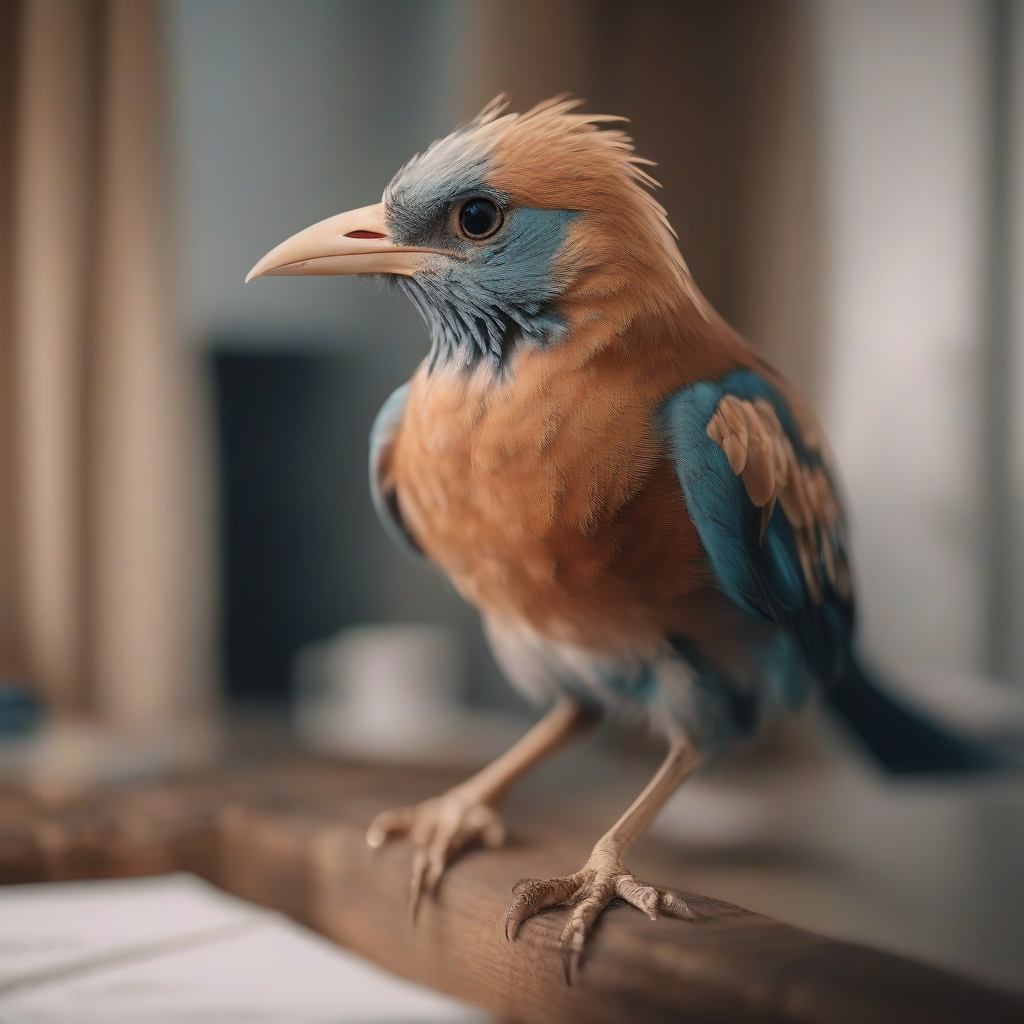
In this article, you will discover your bird's 'invisible social chips' that influence adaptation to a new environment and the 5 deep neurocognitive keys to building trust.


Discover the types of burns your dog can suffer, the 5 insidious neurophysiological effects these burns create in the brain and body, and lifesaving emergency intervention strategies in this comprehensive guide. We shed light on the dangers behind forgotten household accidents from a scientific perspective.

Discover the neurobiological signals of hidden stress your newly adopted cat experiences during adaptation to a new social environment. This article reveals 5 insidious signs of your cat's silent struggle and scientific strategies for peaceful, long-term harmony.

Your dog's anal sacs, located beneath the tail, can be hidden alarm bells often overlooked but profoundly affecting their quality of life. In this article, you will discover the 5 insidious neurobiological effects of anal sac problems on the brain and the lifesaving care secrets you need to know for your furry friend to live a peaceful life.
As of April 2026, our understanding of the mental and social worlds of our pets has become more profound than ever. Especially when it comes to complex social creatures like birds, the process of adapting to a new environment signifies much more than just a physical change. It is a process that activates their fundamental neurocognitive mechanisms, as if their 'invisible social chips' are engaged. In this article, we will delve into the 5 critical neurocognitive keys to help your bird adapt seamlessly to its new home and the subtleties of building trust during this process.
For a bird, a new environment can represent a potentially dangerous area. Therefore, the first and most crucial step is to positively influence its brain's perception of safety. Your bird feeling a 'zero threat' zone forms the foundation of the adaptation process. This not only involves providing a quiet environment but also requires you to exhibit calm and predictable behaviors.
Birds are inherently social creatures and tend to be part of a flock. When it arrives in a new home, this 'flock' is now you and your family. Establishing a healthy social bond with it accelerates its adaptation and reduces potential stressors.
The new environment is also a place to be explored. However, this exploration must occur within a safe framework. Stimulating your bird's curiosity and encouraging it to explore provides mental stimulation and positively influences the adaptation process.
Despite all precautions, adapting to a new environment can be stressful for birds. Recognizing this stress early and taking appropriate measures prevents potential health problems.
Every bird's adaptation process is different. Some adapt quickly, while for others, this process may take longer. The most important factors here are patience and consistency.
Your bird's adaptation to a new environment is a journey that is both challenging and exciting for it. Understanding its neurocognitive needs and supporting it with patience and consistency during this process will lay the foundation for a long and happy friendship. Remember, every small step serves to strengthen the bond between you.
