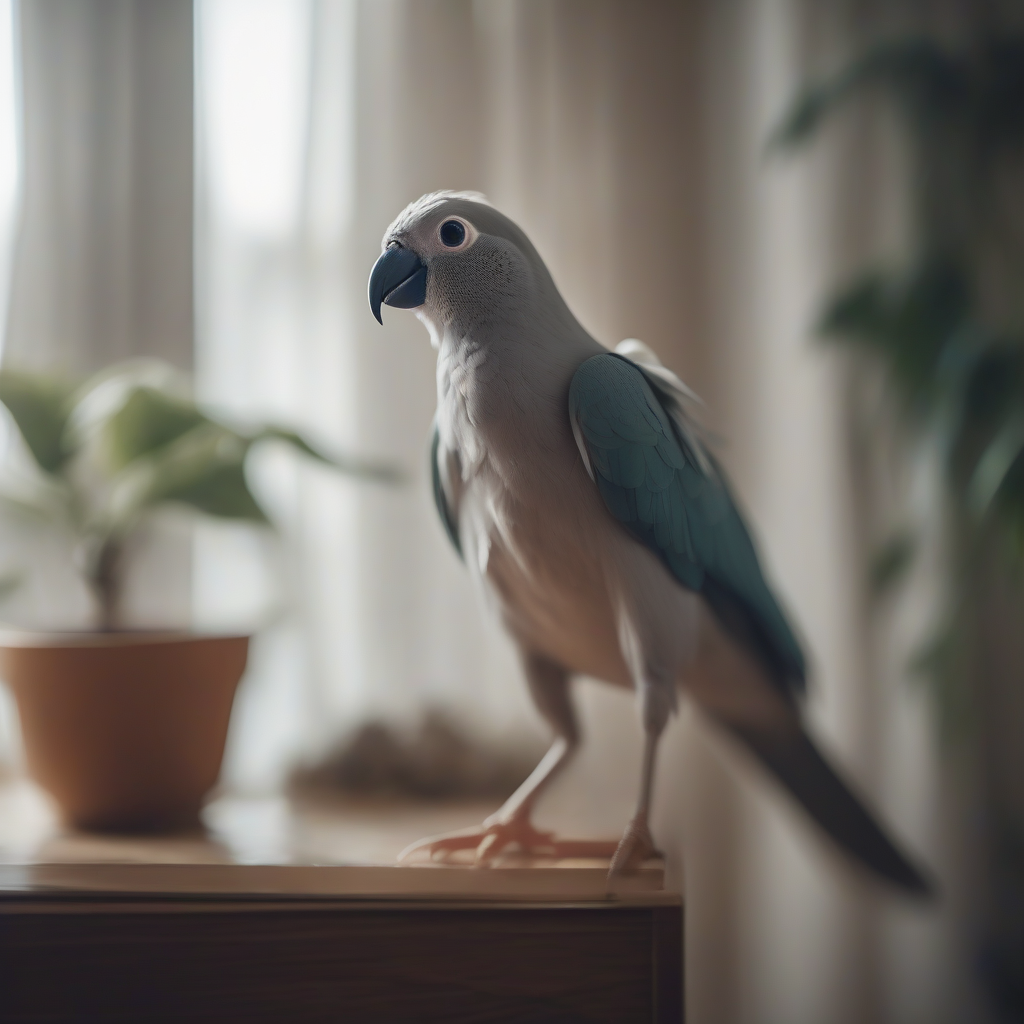
Discover what Volatile Organic Compounds (VOCs) are, how these invisible poisons subtly affect your bird's brain when exposed unknowingly to household air, and scientific solutions to enhance their quality of life in this comprehensive article.

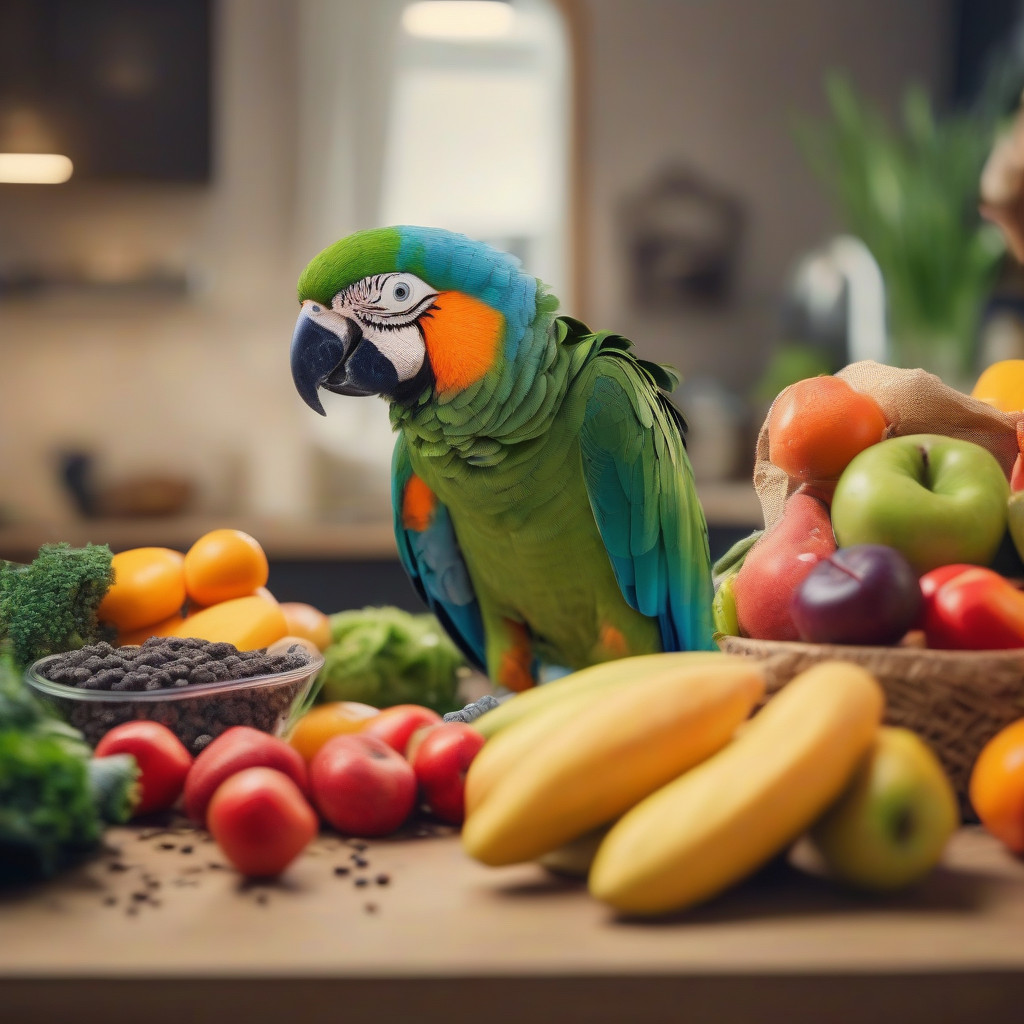
In this article, you will find comprehensive information about the insidious neurobiological effects of artificial colorings, preservatives, and flavors found in commercial bird feeds on your bird's brain health and mental vitality. We explore scientific nutritional secrets to combat these hidden dangers, shedding light on a wide spectrum of effects from behavioral changes to cognitive decline.
In this article, you can discover the scientific secrets to understanding your cat's undesirable habits, deciphering the neurocognitive mechanisms in their brain, and establishing lasting new routines.

Discover the types of burns your dog can suffer, the 5 insidious neurophysiological effects these burns create in the brain and body, and lifesaving emergency intervention strategies in this comprehensive guide. We shed light on the dangers behind forgotten household accidents from a scientific perspective.
Pet birds, with their tiny bodies and incredibly sensitive respiratory systems, are extremely susceptible to even the slightest changes in their living environment. Factors that often go unnoticed or seem insignificant to us humans can turn into a hidden threat for our feathered friends. One such invisible threat is Volatile Organic Compounds (VOCs), commonly found in our homes. As of August 2026, the effects of indoor air quality on pet health are becoming an increasingly prominent subject of scientific research. Birds, in particular, carry a unique vulnerability to VOCs due to their distinct physiology.
Many pet bird owners focus on cage cleaning, nutrition, or behavior training, often overlooking the quality of the air their birds breathe every day. However, VOCs in our homes can deeply affect not just the lungs but also your bird's brain, creating insidious neurobiological effects across a broad spectrum, from cognitive functions to behavioral patterns. In this article, we will delve into how these invisible poisons impact your bird's brain and what science-backed steps you can take to protect them.
Volatile Organic Compounds (VOCs) are carbon-based chemicals that can easily vaporize at room temperature. They are emitted from a wide variety of sources: paints, varnishes, cleaning products, carpets, new furniture, air fresheners, perfumes, candles, and even some cooking processes. Due to their unique chemical structure, they readily evaporate into the air and can rapidly permeate the body when inhaled.
Birds possess a much more efficient and unidirectional respiratory system compared to mammals. With air sacs and small, thin-walled lungs, they can extract oxygen far more effectively. However, this efficiency also means they are more vulnerable to airborne toxins. Toxins can reach a bird's bloodstream and, consequently, their brain much faster and with more intense effects due to their small body mass and rapid metabolism. Birds also typically live in their cages, often at a ground-level height, meaning they spend more time in the 'breathing zone' where heavier VOCs can be more concentrated.
VOCs can cross the blood-brain barrier, reaching the central nervous system and triggering neuroinflammation by activating microglial cells. Chronic neuroinflammation disrupts nerve cell function and can lead to a noticeable decline in cognitive functions, particularly learning, memory, and problem-solving abilities. You might observe your bird being less active, struggling to learn new commands, or forgetting previously known ones. Just as environmental factors like Your Bird's 'Visual Field' Map: 5 Insidious Neurocognitive Effects of Cage Placement on the Brain and Secrets to Creating a Peaceful Perspective! directly impact cognitive health, air quality should not be overlooked.
Volatile organic compounds can affect the synthesis, secretion, and reuptake of crucial neurotransmitters in the brain, such as serotonin, dopamine, and GABA. These imbalances can lead to behavioral changes in birds, including anxiety, chronic stress, depression-like states, increased aggression, or compulsive feather plucking. This may present symptoms similar to issues associated with your bird's 'loneliness brain', but the root cause lies in environmental chemicals. When considered alongside the article Your Bird's 'Loneliness Brain': 5 Insidious Neurobiological Effects of Chronic Social Deprivation and Scientific Secrets for Species-Specific Bonding!, these effects can become even more complex.
Exposure to VOCs increases the production of free radicals in the body, triggering oxidative stress. Brain tissue is particularly susceptible to oxidative damage due to its high metabolic rate and lipid-rich composition. Chronic oxidative stress can harm the DNA, proteins, and lipids of neuronal cells, leading to cell death and accelerating neurodegenerative processes in the long run. This condition speeds up the brain's aging process, triggering cognitive decline.
Some VOCs can disrupt hormonal processes like melatonin production and a bird's natural circadian rhythm. This can result in reduced sleep quality, daytime lethargy, nighttime restlessness, and a general decrease in well-being. Insufficient or disrupted sleep negatively impacts cognitive functions, mood, and the immune system. Just as visual factors like Your Bird's Cage's "Hidden Mirror Illusion": 5 Insidious Neurocognitive Effects of Reflective Surfaces on the Brain can affect sleep patterns, invisible chemicals can be equally harmful.
VOCs can affect birds' delicate senses of smell and hearing. Chronic exposure can cause damage to sensory receptors, impairing the bird's ability to perceive its environment and effectively communicate with its conspecifics or owners. This can lead to behavioral isolation, stress, and difficulties in social interactions. As we discussed the importance of sound in the article The 'Invisible Echo Chamber' in Your Bird's Cage: The Neurobiological Importance of Sound Insulation and Scientific Secrets for a Peaceful Habitat!, the quality of scent and other sensory inputs is also critical for brain health.
Fortunately, there are science-backed strategies you can implement to protect your bird from the insidious effects of household VOCs:
Source Control and Toxin-Free Home:
Effective Ventilation Strategies:
Plant-Based Air Purifiers and Natural Materials:
Routine Air Quality Monitoring:
Veterinary Consultation and Supportive Nutrition:
Birds are delicate creatures that bring joy and color into our lives. Their quality of life and health are directly linked to the quality of their environment. The invisible VOCs in our homes can lead to insidious and devastating effects on your bird's brain. Understanding these invisible poisons, controlling their sources, and implementing active ventilation and scientific solutions are key to protecting not only your bird's lungs but also their cognitive vitality and overall well-being. By taking proactive steps, you can provide a living space for your feathered friend that is both safe and mentally enriching.
