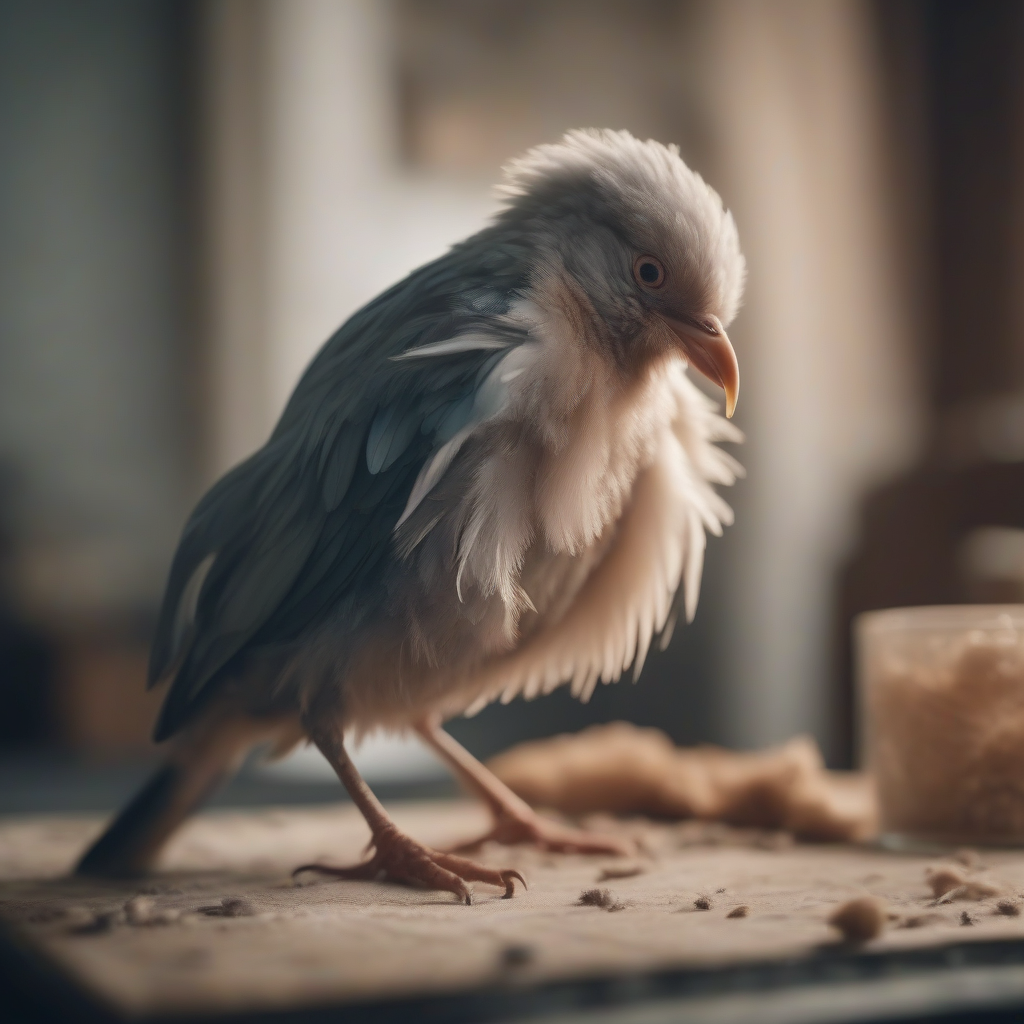
In this article, we will delve into the scientific secrets behind your bird's feather plucking behavior, its insidious stress triggers, and effective care strategies to restore feather health.


Discover the neurobiological signals of hidden stress your newly adopted cat experiences during adaptation to a new social environment. This article reveals 5 insidious signs of your cat's silent struggle and scientific strategies for peaceful, long-term harmony.

Your dog's anal sacs, located beneath the tail, can be hidden alarm bells often overlooked but profoundly affecting their quality of life. In this article, you will discover the 5 insidious neurobiological effects of anal sac problems on the brain and the lifesaving care secrets you need to know for your furry friend to live a peaceful life.
In this article, you will find comprehensive information on the insidious neurotoxic effects of heavy metal poisoning in aquarium fish, its symptoms, and lifesaving emergency intervention codes. This condition, which can arise from household water sources, improper equipment, or neglect, can severely threaten your fish's quality of life and lifespan.
Our pet birds' feathers are more than just aesthetic beauty; they are a mirror of their overall health and mood. However, sometimes this vibrant and smooth plumage can give way to irritated skin and a distressing appearance due to feather plucking. Feather plucking behavior is a common yet often misunderstood complex problem for bird owners. Rather than being a mere habit, it can be an indicator of underlying physical or psychological issues, quickly spiraling into a vicious cycle. In this article, we will delve into the scientific secrets behind your bird's feather plucking behavior, its insidious stress triggers, and effective care strategies to restore feather health.
Feather plucking (not to be confused with with PBFD) is the deliberate act of birds pulling out, breaking, or chewing their own feathers. It should not be mistaken for normal molting, which is the natural process of feather renewal and is generally painless. A bird plucking itself is often an outward manifestation of an overlooked internal crisis and can lead to serious health problems. This condition is not just a cosmetic issue; it can increase the risk of infection, disrupt thermoregulation, and significantly reduce the bird's quality of life.
Feather plucking is often a sign of chronic stress arising from environmental, nutritional, medical, or behavioral causes. These triggers can sometimes be so subtle that they are very difficult for owners to notice.
Environmental factors such as cage size, placement, lighting, and humidity levels directly affect your bird's stress levels. For instance, an overly dry environment can lead to itchy skin and feather plucking. Insufficient natural light or the absence of correct spectrum lamps can disrupt your bird's biological clock, creating stress. A cage placed in an overly noisy or excessively quiet area can also cause anxiety. A lack of sufficient mental stimulation for your bird can also lead to behavioral problems, as mentioned in the article Unlocking Your Bird's Genius: Subconscious Problem-Solving Mechanisms and Overlooked Cognitive Secrets!.
An unbalanced or inadequate diet can lead to deficiencies in essential vitamins and minerals required for feather health. Specifically, a lack of nutrients like Omega-3 fatty acids, Vitamin A, and zinc can directly affect feather and skin quality, increasing the urge to itch and pluck. Seed-based diets, which are often monotonous, are breeding grounds for such deficiencies.
Parasites (mites, lice), fungal or bacterial infections, allergies, and even internal organ diseases (liver, kidney) can trigger feather plucking. Birds experiencing skin irritation or pain may start plucking their feathers in an attempt to relieve discomfort. Therefore, the first step in addressing feather plucking behavior should always be a veterinary examination.
Psychological factors such as boredom, loneliness, social isolation, fear, anxiety, sudden changes (new pet, moving), or hormonal fluctuations are among the most common causes of feather plucking. Birds are social and intelligent animals; when they don't receive enough interaction and stimulation, they may resort to plucking. Over-attachment can also be a source of stress.
Once feather plucking begins, this behavior can quickly become a vicious cycle. The bird starts plucking its feathers when under stress. This action may provide momentary relief or endorphin release, but it also irritates the skin and leads to new itching. The irritated skin causes the bird to pluck more, perpetuating the cycle. This leads to the bird becoming even more stressed, and feather plucking becomes a habit. Over time, this behavior seriously threatens the bird's health both physically and psychologically. Learning your bird's Hidden Crisis Signals can help you break this cycle early.
Stopping feather plucking behavior and restoring feather health requires patience and a multifaceted approach. Here are some scientifically-backed strategies:
Ensure your bird's cage is of adequate size and properly placed. Increase humidity levels by using a humidifier or regularly misting your bird. Full-spectrum UV lamps provide your bird with natural sunlight, regulating its biological clock and aiding in Vitamin D synthesis. Place natural wood perches with varying textures inside the cage to support foot health and encourage natural feather care mentioned in Your Bird's 'Secret Art of Feather Renewal': Scientific Secrets of Seasonal Molting and Painless Care Methods.
Supplement your bird's diet with a pellet-based, balanced formula and incorporate fresh vegetables, fruits, and sprouted seeds into their routine. Omega-3 fatty acids (flaxseed oil or fish oil supplements), Vitamin A, and B-complex vitamins are crucial for feather and skin health. Consult your veterinarian to determine appropriate supplements.
Boredom and loneliness are significant triggers for feather plucking. Regularly take your bird out of its cage and spend quality time with it. Provide puzzle toys, shreddable toys, and interactive games to offer mental and physical stimulation. Learned behaviors and positive reinforcement training can reduce your bird's stress and help it develop new, positive behaviors.
Try to identify stress sources in your bird's life. Factors like sudden loud noises, new people or pets, or changes in cage placement can cause stress. Provide your bird with a safe and calm environment to reduce its anxiety. Positive reinforcement methods, such as those in Kuşunuzun Gönüllü Muayene Eğitimi: Stres ve Direnci Kırmanın 5 Bilimsel Sırrı!, can help manage stress even for challenging situations like vet visits.
In cases of feather plucking behavior, it is essential to consult a veterinarian specializing in birds to rule out medical causes. Diagnostic methods such as blood tests, skin scrapings, or feather follicle analyses should be performed to determine if there is an underlying infection, parasite, or organ disorder. If a medical issue is found, appropriate treatment will significantly reduce feather plucking.
Feather plucking problems often manifest initially as mild itching, a slight increase in feather loss, or feather chewing. Recognizing these early signals allows for intervention before the condition becomes chronic. Observe your bird regularly and pay attention to even the slightest changes in its behavior. Remember, feather plucking is a symptom, not a disease itself; finding and eliminating its source is essential.
Your bird's feather plucking cycle is a complex problem that can be broken with patience, observation, and a scientific approach. Understanding the stress behind feather plucking, optimizing environmental factors, regulating nutrition, providing mental stimulation, and conducting regular veterinary check-ups are the keys to your bird returning to a healthy, feathered, and happy life. Remember, your attention and love are their most powerful source of healing.
