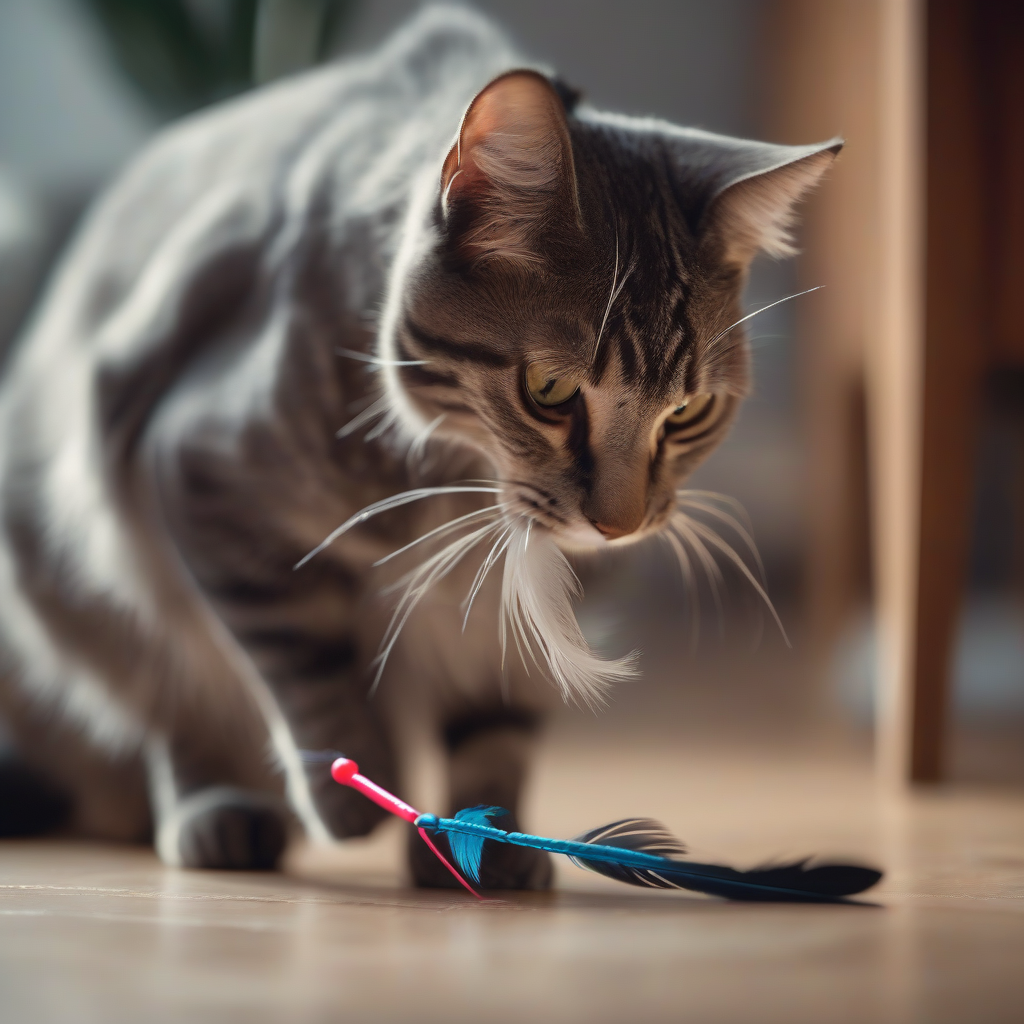
In this article, you will discover a deep scientific analysis of your cat's play behaviors, how they satisfy hunting instincts, reduce stress, and enhance cognitive abilities. Learn the critical importance of play for your cat's physical and mental health, and optimal play strategies.


Discover the neurobiological signals of hidden stress your newly adopted cat experiences during adaptation to a new social environment. This article reveals 5 insidious signs of your cat's silent struggle and scientific strategies for peaceful, long-term harmony.

Your dog's anal sacs, located beneath the tail, can be hidden alarm bells often overlooked but profoundly affecting their quality of life. In this article, you will discover the 5 insidious neurobiological effects of anal sac problems on the brain and the lifesaving care secrets you need to know for your furry friend to live a peaceful life.
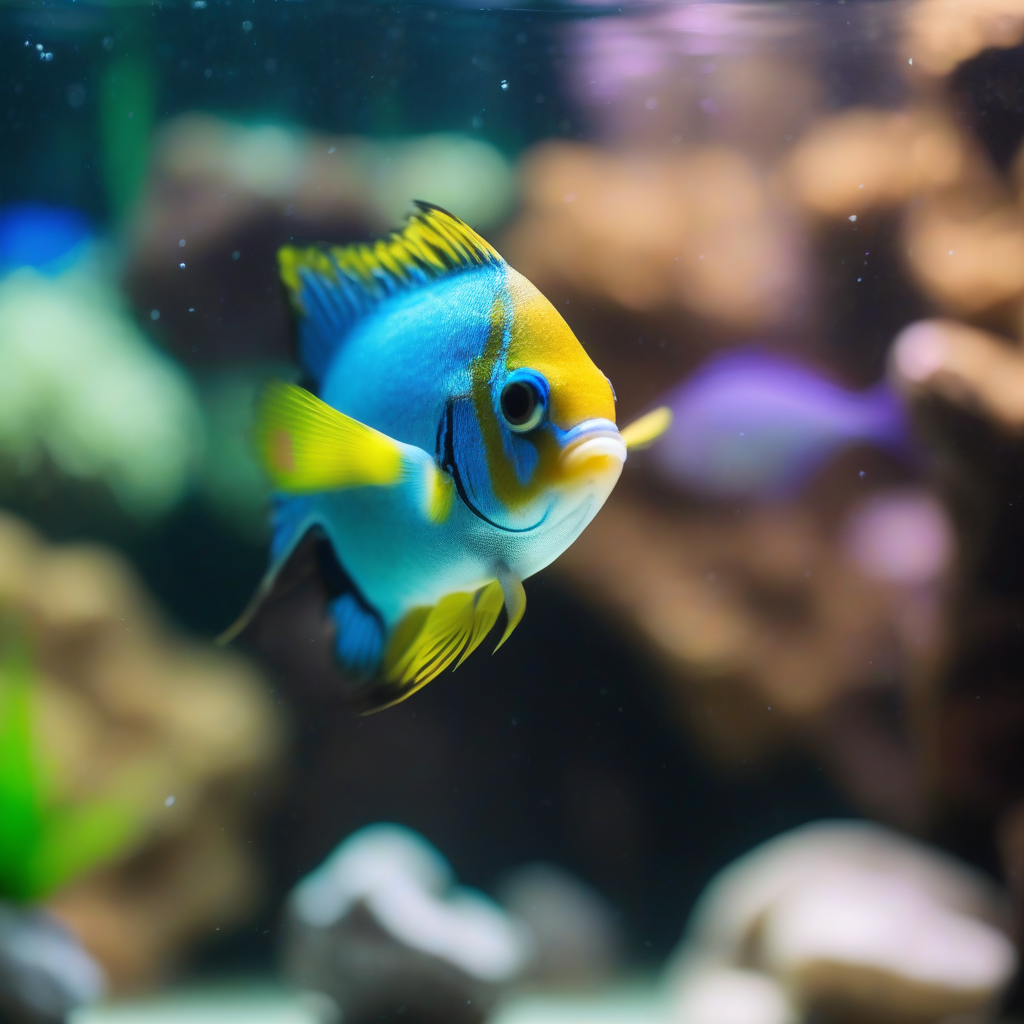
In this article, you will find comprehensive information on the insidious neurotoxic effects of heavy metal poisoning in aquarium fish, its symptoms, and lifesaving emergency intervention codes. This condition, which can arise from household water sources, improper equipment, or neglect, can severely threaten your fish's quality of life and lifespan.
Despite domestication, cats are still instinctively small predators. This predatory instinct manifests itself in their play behaviors, which play a critical role not only in their physical but also their mental and emotional health. Play is a fundamental tool for a cat to understand the world, develop its abilities, manage stress, and bond with humans. However, what many cat owners overlook is that play is a complex behavioral system based on scientific principles, rather than just a simple amusement. As we enter March 2026, we will delve into the depths of your cat's play language and explain, with scientific evidence, how you can understand this "secret language" and use it for their well-being.
The play of cats is an evolved form of the survival strategies of their wild ancestors. When you see a cat "fighting" with a toy or chasing a string, you are actually witnessing a hunting simulation. These behaviors allow them to practice essential predatory skills such as foraging, hunting, stalking, ambushing, and catching. These practices improve the cat's motor skills, sharpen its reflexes, and enhance its problem-solving abilities.
Cat play often mimics a hunting cycle:
Each stage of this cycle is vital for satisfying the cat's natural instincts. Regularly repeating this cycle is key to preventing potential behavioral problems, especially for cats living indoors.
Play not only keeps your cat physically active but also offers profound psychological and emotional benefits:
Play is a healthy outlet for cats to release accumulated energy and internal tension. A stressed or anxious cat can relax through play and cope with negative emotional states. For example, for a cat trying to adapt to a new environment, regular play sessions can help establish a positive connection with the surroundings. In this context, to understand your cat's environmental stressors, you might want to review our article "Your Cat's 'Invisible Sound Map': Hidden Sources of Acoustic Stress at Home and the Science of Creating a Peaceful Environment!".
Puzzle toys, interactive games, and hunting simulations improve your cat's problem-solving skills, memory, and adaptability. A mentally stimulated cat is less likely to exhibit destructive behaviors due to boredom.
Interactive games played with humans strengthen the bond between the cat and its owner. This is critically important, especially for newly adopted cats. Play creates positive interactions in a safe environment, making it easier for the cat to get used to people. Our article "'Silent Leadership' in Your Cat's New Home: Ununderstood SOS Signals Post-Adoption and 5 Scientific Codes for Building Trust" can help you understand this process.
In homes with multiple cats, play can be a means of establishing social hierarchy and reducing tension. Controlled play sessions encourage positive interaction among cats and can prevent potential territorial conflicts. For more information on this topic, you can check out our article "Your Cat's 'Invisible Borders': Silent Territorial Wars in Multi-Cat Homes and Scientific Secrets for Peaceful Coexistence!".
Properly understanding and meeting your cat's play needs is vital for them to live a healthy and happy life.
At least twice a day, 10-15 minute interactive play sessions are ideal for satisfying your cat's hunting instincts. Move toys like prey: hide them, speed them up, slow them down, and finally, allow the cat to "catch" them. This reinforces the sense of reward.
Your cat's play behavior is a window into its inner world. By looking through this window, you can understand its hunting instincts, stress levels, cognitive state, and its bond with you. With scientifically designed play strategies, you not only ensure your cat remains physically active but also support its mental and emotional well-being. Remember, every moment you play with your cat is a scientific investment that strengthens your bond and offers them a happier, healthier life.
