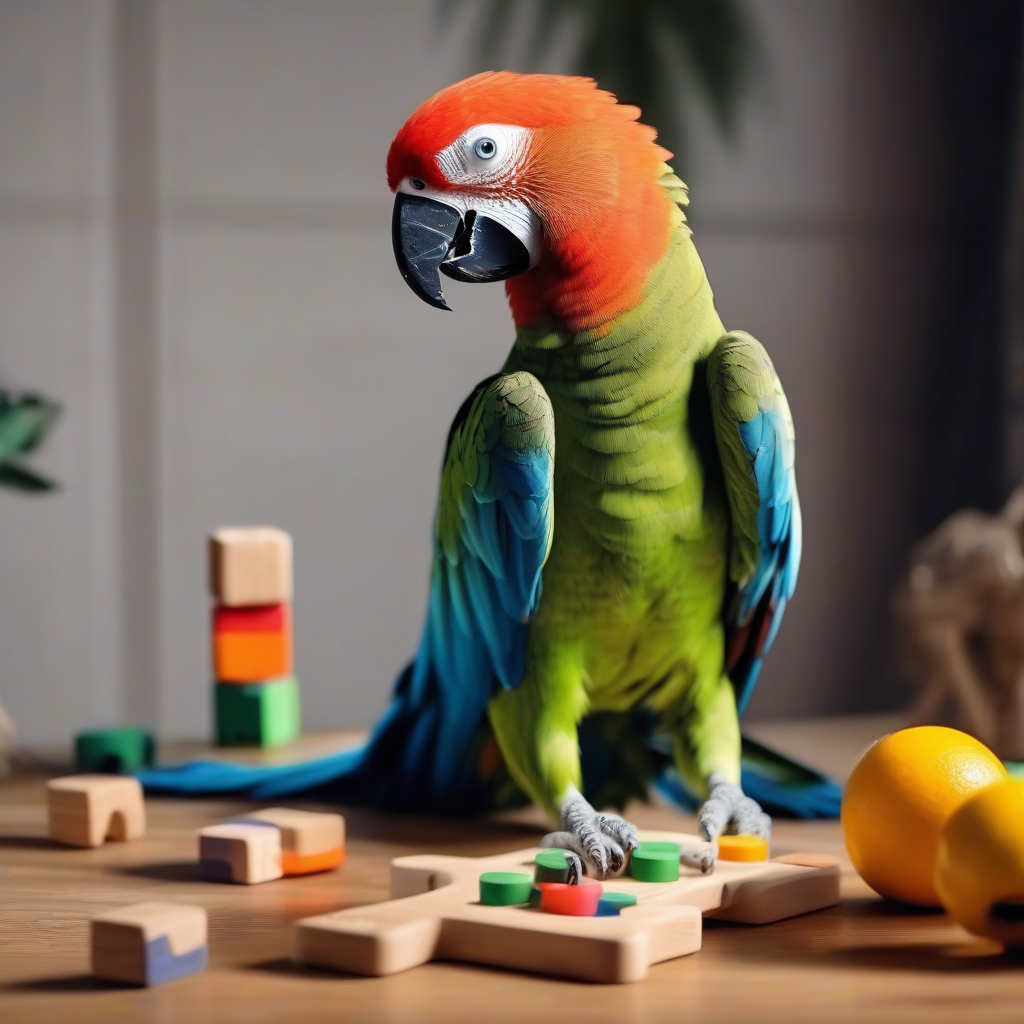
In this article, you can discover your bird's amazing problem-solving abilities, subconscious mechanisms, and scientific secrets beyond cognitive enrichment.


Discover the neurobiological signals of hidden stress your newly adopted cat experiences during adaptation to a new social environment. This article reveals 5 insidious signs of your cat's silent struggle and scientific strategies for peaceful, long-term harmony.

Your dog's anal sacs, located beneath the tail, can be hidden alarm bells often overlooked but profoundly affecting their quality of life. In this article, you will discover the 5 insidious neurobiological effects of anal sac problems on the brain and the lifesaving care secrets you need to know for your furry friend to live a peaceful life.
In this article, you will find comprehensive information on the insidious neurotoxic effects of heavy metal poisoning in aquarium fish, its symptoms, and lifesaving emergency intervention codes. This condition, which can arise from household water sources, improper equipment, or neglect, can severely threaten your fish's quality of life and lifespan.
Pet birds, with their vibrant feathers and melodious songs, bring joy to our lives. However, many bird owners overlook the astonishing intelligence and complex problem-solving abilities hidden beneath these small creatures' feathers. To see them merely as chirping animals in a cage is a great disservice to their mental potential. Scientific research, however, reveals that birds develop various cognitive strategies to cope with environmental challenges, sometimes even displaying unexpected creativity. As of March 2026, the latest findings in bird psychology and behavior show that they are "differently intelligent" rather than just "smarter." In this article, we will explore your bird's hidden problem-solving abilities, subconscious mechanisms, and scientific secrets beyond cognitive enrichment.
Although the avian brain has a different structure than that of mammals, it possesses an astonishing capacity to support complex learning and decision-making processes. Many bird species, especially parrots and corvids, exhibit high-level cognitive abilities such such as tool use, future planning, and understanding abstract concepts. So, how do these abilities manifest in daily life, and through what mechanisms do they operate?
Birds are highly prone to social learning. They can learn behaviors such as finding a new food source, opening a cage door, or using a specific toy by observation. This imitation ability forms the basis of their problem-solving processes. For instance, a bird watching its owner unlock a specific lock and then attempting to unlock it themselves is a clear demonstration of learning through observation and developing a problem-oriented solution. This also shapes their expectations in complex interactions and their ability to form deep bonds. In our article Your Bird's 'Hidden Sense of Justice': Scientific Secrets to Expectations in Human Interaction and Building a Deep Bond, you can explore different dimensions of this topic.
When observation is insufficient, birds generate new solutions by using trial-and-error. They might push, pull, or peck at a toy from different angles to understand that it needs to be rotated in a specific way. This process not only overcomes a physical obstacle but also helps them create a mental map and find faster solutions when encountering similar problems in the future. In some cases, birds can even surprise humans with unexpected and creative solutions. This brings up the concept of "free will"; birds can skillfully use the art of empowering their decision-making mechanisms to reverse unwanted behaviors. Your Bird's 'Free Will' Training: Empowering Decision-Making to Reverse Unwanted Behaviors! offers more information on this.
Cognitive enrichment involves adding new and stimulating elements to a bird's environment. However, triggering true intelligence potential goes beyond simply providing toys and puzzles. What's important is to create situations that actively require the bird to think, make decisions, and solve problems.
A mere swinging perch or a shiny bell might not provide sufficient cognitive stimulation for your bird. Instead, puzzle toys that require solving a mechanism to access food, intelligence games that demand assembling pieces of different shapes, or interactive toys that require movement in a specific sequence are much more beneficial. Such toys activate the bird's natural problem-solving instincts and strengthen their mental muscles.
A bird's living space should be not only safe but also mentally stimulating. A monotonous cage environment can lead to cognitive decline. A complex environment featuring different textures, heights, perching areas, and hiding spots enhances the bird's ability to explore, make decisions, and interact with its surroundings. Understanding how they perceive their environment by interacting with different objects and how these interactions shape their behavior is crucial. Understanding birds' silent communication languages and body language signals is key to forming a deeper bond with them and supporting their mental development. Our article Your Bird's 'Silent Communication Language': Ununderstood Body Language Signals Post-Adoption and Scientific Secrets to Building a Deep Bond addresses this topic.
Quality social interactions with humans or other birds play a critical role in the cognitive development of birds. Interactions offer learning opportunities, encourage imitation skills, and enhance their emotional well-being. Voluntary behaviors that emerge during training sessions demonstrate the bird's mental engagement and develop on a foundation of trust. Your Bird's 'Voluntary Examination Training': 5 Scientific Secrets to Breaking Stress and Resistance! details how this can be implemented as part of the interaction.
To maximize your bird's mental potential, it is necessary to adopt proactive approaches.
While birds are creatures of habit, breaking their routines in a controlled and safe manner can increase mental flexibility. New experiences such as new toys, different cage arrangements, or safe outdoor visits enhance your bird's adaptability and problem-solving skills. This also allows them to explore perceptual differences, such as the invisible world of color around them.
Using positive reinforcement when your bird achieves a correct solution or learns something new accelerates the learning process and increases the likelihood of repetition. This not only teaches desired behaviors but also allows the bird to feel satisfaction when mentally challenged. Scientifically designed training programs are one of the most effective ways to push their cognitive boundaries.
Your bird is a much more complex creature than you might think. Understanding and activating their hidden intelligence potential not only helps your bird live a happier and healthier life but also deepens the bond between you. By discovering your bird's problem-solving mechanisms and cognitive secrets, you can take a closer look into their world and offer them the mental richness they deserve.
