
In this article, you will find comprehensive information on protection and management strategies for your pets' respiratory health from allergies to infections in Spring 2026.


Discover the neurobiological signals of hidden stress your newly adopted cat experiences during adaptation to a new social environment. This article reveals 5 insidious signs of your cat's silent struggle and scientific strategies for peaceful, long-term harmony.

Your dog's anal sacs, located beneath the tail, can be hidden alarm bells often overlooked but profoundly affecting their quality of life. In this article, you will discover the 5 insidious neurobiological effects of anal sac problems on the brain and the lifesaving care secrets you need to know for your furry friend to live a peaceful life.
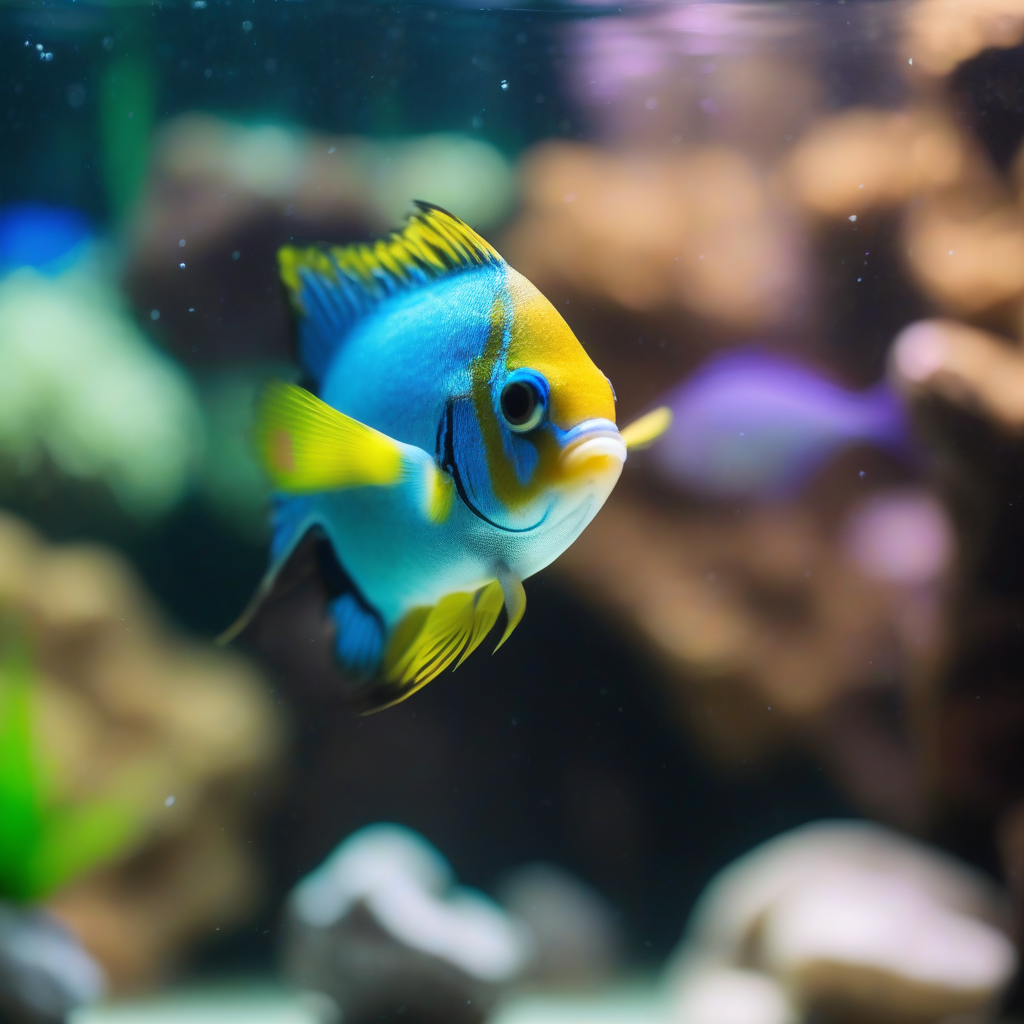
In this article, you will find comprehensive information on the insidious neurotoxic effects of heavy metal poisoning in aquarium fish, its symptoms, and lifesaving emergency intervention codes. This condition, which can arise from household water sources, improper equipment, or neglect, can severely threaten your fish's quality of life and lifespan.
As we enter March 2026, the awakening of nature brings with it new seasonal challenges for our beloved pets' health. Spring, in particular, can be a period of increased respiratory tract issues in pets. Pollen, dust mites, rising temperatures, and increased outdoor activities can sensitize our little companions' respiratory systems. In this comprehensive guide, you will find everything from preventive measures to ensure your pets breathe healthily throughout spring, to the diagnosis and management of common respiratory diseases.
While spring means spending more time outdoors for many pets, it is also a time when environmental factors can significantly impact respiratory health. Conscious pet ownership is crucial to minimize these risks and ensure our companions have a comfortable spring.
One of the most prominent features of spring is the increase in pollen levels. Tree pollen, grass pollen, and weed pollen can cause allergic reactions, leading to coughing, sneezing, nasal discharge, and even difficulty breathing in pets. Furthermore, indoor allergens (dust mites, mold) and environmental pollutants can also trigger respiratory irritation. Cleaning products used in our homes, cigarette smoke, and a decline in air quality can also negatively affect our pets' respiratory systems. Learning more about such environmental toxins and pollutants will help you improve your protection strategies.
Temperature changes and increased social interactions can create a suitable environment for the spread of viral and bacterial respiratory tract infections. Commonly known as 'Kennel Cough' in dogs or upper respiratory infections in cats, these can become more prevalent in spring. These infections can cause symptoms ranging from mild to severe respiratory distress. Regular vaccinations and adherence to hygiene rules are the most important protective steps against these infections.
Early detection of any change in your pet's respiratory health is vital for successful treatment. Pay attention to the following symptoms:
If you notice any of these symptoms, you should consult a veterinarian without delay. Advanced diagnostics and early disease detection methods play a critical role in establishing an accurate diagnosis.
Here are some proactive steps you can take to protect your pets' respiratory health:
Improving indoor air quality is an effective way to reduce allergen exposure. Using air purifiers with HEPA filters, regular dusting, vacuuming (especially with filtered vacuums that trap pet hair and allergens), and washing bedding are important. Keep your pets away from environments where smoking occurs or where strong chemical cleaners are used.
A healthy diet is the foundation of a strong immune system. Antioxidants, omega-3 fatty acids, and other immune-supporting nutritional supplements can help reduce respiratory inflammation and increase resistance to diseases. Boost your pets' immune system and make them more resilient against diseases.
Adhering to your veterinarian's recommended vaccination schedule provides protection, especially against common respiratory tract infections. Annual check-ups offer an opportunity for early detection of potential problems and the development of appropriate treatment plans. Specific diagnostic and treatment approaches are also available for seasonal allergies in dogs.
Stress can weaken pets' immune systems, making them more vulnerable to infections. Regular exercise, play, and mental stimulation help reduce stress levels and improve their overall health.
When a respiratory condition is diagnosed in your pet, your veterinarian will create a treatment plan based on the severity of symptoms and the underlying cause. This plan may include:
Taking care of our pets' respiratory health is crucial for them to lead a healthy and comfortable life in spring. Being proactive against seasonal allergens and infections, ensuring early diagnosis through regular veterinary check-ups, and implementing appropriate care strategies will help them live a happy and long life. Remember, always consult your veterinarian with any health concerns.
