Spring 2026: Cancer Prevention and Early Detection Strategies in Pets – Life-Saving Steps
As of March 2026, one of the biggest concerns for pet owners is cancer, a threat to our companions' health. Modern veterinary medicine offers groundbreaking developments in both preventive measures and early detection against cancer. This spring, we will share the latest strategies and tips to minimize cancer risk in our pets and detect potential cases at the earliest possible stage. Remember, being proactive can save lives.
Why is Cancer on the Rise in Pets?
Unfortunately, cancer has become an increasingly common health issue in pets. Several factors contribute to this rise:
- Increased Lifespan: As the average lifespan of pets extends, the incidence of age-related diseases like cancer also increases.
- Environmental Factors: Like us, our pets are exposed to indoor and outdoor environmental toxins and pollutants. Factors such as pesticides, cigarette smoke, certain household cleaning products, and air pollution can increase cancer risk. For more information on this topic, you can read our article, Environmental Toxins and Pollutants in Pets in Spring 2026: A Guide to Protection from Invisible Threats.
- Genetic Predisposition: Some cat and dog breeds are genetically more prone to specific types of cancer.
- Lifestyle and Nutrition: A sedentary lifestyle and an unbalanced diet can lead to obesity, significantly increasing the risk of cancer.
Proactive Approaches to Cancer Prevention
One of the most effective methods in the fight against cancer is taking proactive steps to prevent the disease from developing.
The Role of Nutrition and Diet: Anti-Carcinogenic Foods
Your pet's diet plays a crucial role in reducing cancer risk. Opt for high-quality, balanced, and antioxidant-rich pet foods. Some research suggests that supplements like Omega-3 fatty acids, Vitamin E, selenium, and certain fruits and vegetables may have protective effects against cancer. Special veterinary diets may be recommended, especially for at-risk animals or those with a history of cancer. You can find detailed information on nutrition trends in our content, Spring 2026 Cat and Dog Nutrition: Latest Trends and Health-Focused Recommendations.
Healthy Lifestyle and Weight Management
Obesity leads to many health problems in pets and also increases cancer risk. Regular exercise, maintaining an ideal body weight, and an active lifestyle improve their overall health, increasing their resistance to cancer.
Reducing Environmental Risk Factors
It is important to minimize carcinogens in your pet's environment. Measures such as not smoking indoors, carefully using chemical cleaners, avoiding pesticides in the garden, and filtering drinking water can be taken.
The Importance of Early Detection: Life-Saving Steps
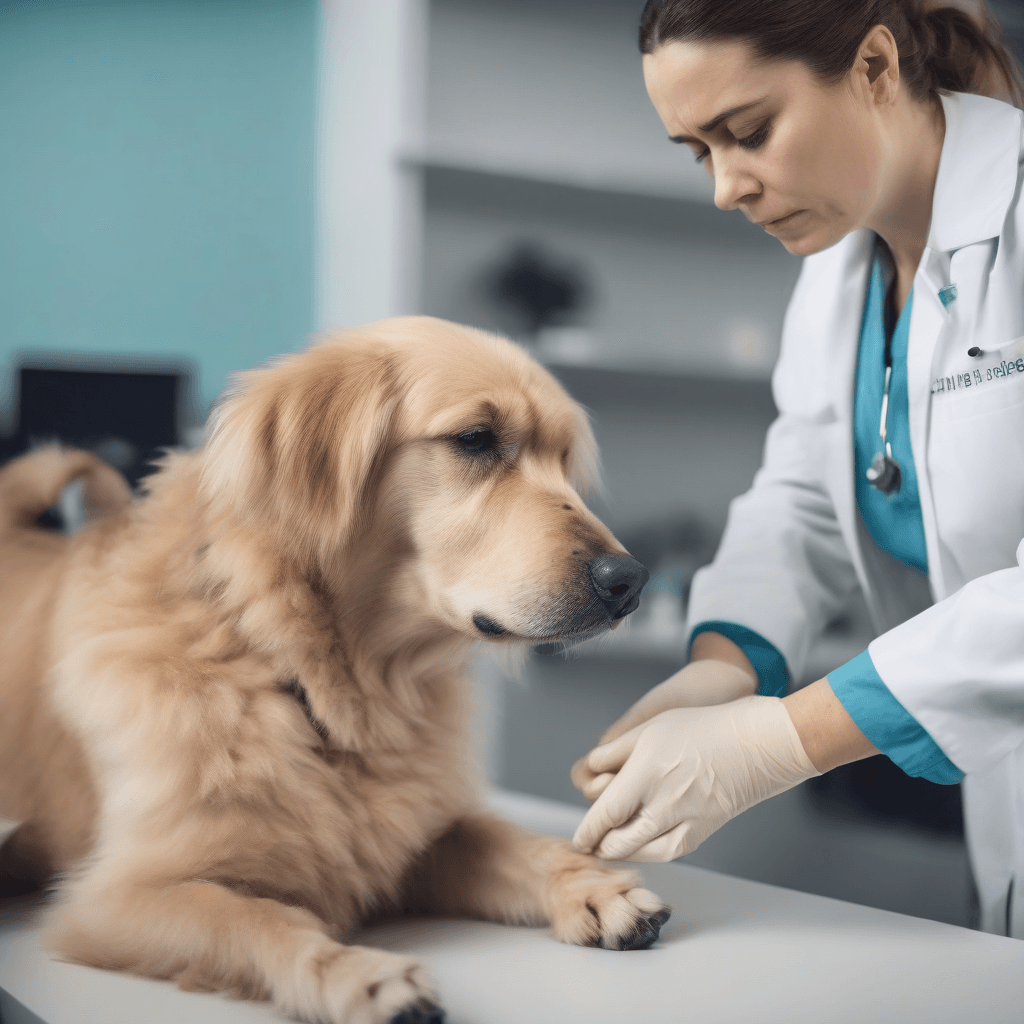
Early detection of cancer is vital for successful treatment. With regular check-ups and careful observation, many types of cancer can be identified before they advance.
Regular Veterinary Check-ups and Screening Programs
It is essential for every pet to have annual or more frequent veterinary check-ups appropriate for their age, breed, and health history. Physical examinations, blood tests, urine tests, and imaging methods, if necessary, performed during these check-ups, can reveal early signs of disease. Our article, 2026'da Evcil Hayvanlarda Yıllık Veteriner Kontrolleri ve Aşı Takvimi: Sağlıklı ve Mutlu Bir Yaşam İçin Kapsamlı Rehber, will guide you on this matter.
Cancer Symptoms Detectable at Home
Observing unusual changes in your pet is the first step in early detection. Pay attention to:
- New lumps on the body or changes/growth in existing ones
- Unexplained weight loss
- Loss of appetite or difficulty swallowing
- Chronic cough or shortness of breath
- Vomiting, diarrhea, or blood in stool
- Changes in urination habits
- Wounds that do not heal
- Bad breath, gum bleeding
- Lethargy, sluggishness, or behavioral changes
If you notice any of these symptoms, you should immediately consult your veterinarian.
Advanced Diagnostic Methods and New Technologies
Today, veterinary medicine has many advanced technologies for cancer diagnosis:
- Imaging Techniques: Methods such as ultrasound, X-ray, computed tomography (CT), and magnetic resonance imaging (MRI) are effective in determining the location and spread of tumors.
- Biopsies and Pathology: Microscopic examination of samples taken from suspicious tissue is the gold standard for confirming a cancer diagnosis.
- Molecular Tests and Liquid Biopsies: For some types of cancer, detecting genetic markers from blood or urine samples offers the potential to identify cancer at very early stages. Find more information about these technologies in our article, Advanced Diagnostics and Early Disease Detection in Pets: Proactive Health Strategies for Spring 2026.
A Holistic Approach: Integration in Prevention and Treatment
The most successful outcomes in combating cancer are often achieved through a holistic approach. This includes both conventional veterinary treatments (surgery, chemotherapy, radiotherapy) and supportive therapies (nutritional support, herbal supplements, complementary therapies like acupuncture). Improving your pet's overall quality of life and strengthening their immune system are critically important for both prevention and treatment. Explore the benefits of holistic care with Spring 2026: Holistic Health and Integrated Care Approaches for Your Pets – A Comprehensive Guide for Spring Renewal.
In conclusion, cancer prevention and early detection in our pets are possible through conscious approaches by owners and continuous cooperation with veterinary professionals. By focusing on these strategies in Spring 2026, we can help our beloved companions live healthy, happy, and long lives. Remember, knowledge is power, and proactive health management is the best treatment.