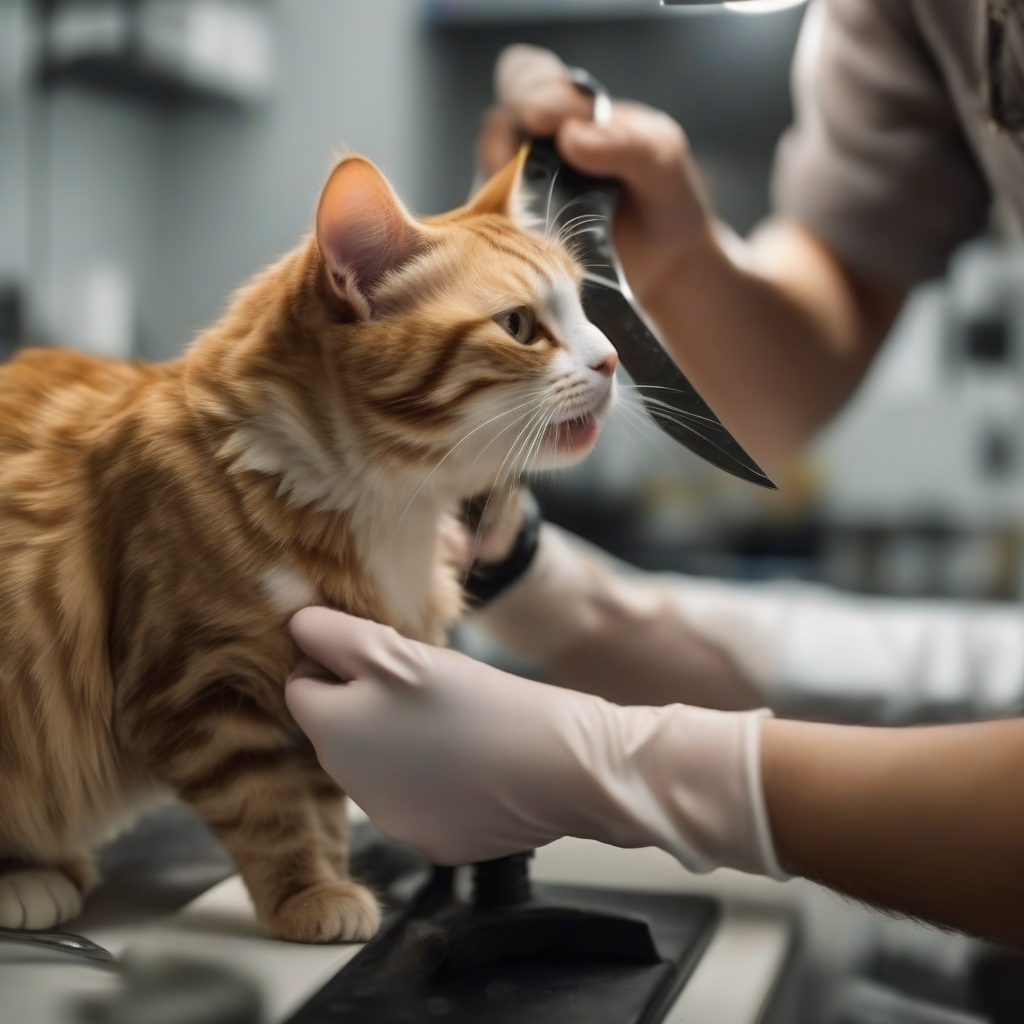
Your cat's claws are more than just scratching tools; they are complex sensory organs and vital means of behavioral expression. In this article, you will discover the hidden impacts of nail care on your cat's neurobiological health and scientific solutions to alleviate stress.


In this article, you will discover the little-known but profound effects of the acoustic environment in rabbit living spaces on their brain health and general well-being, exploring the neurobiological consequences of both sound deprivation and overstimulation, and scientific secrets to creating a peaceful environment. Understand and optimize your rabbit's world with expert tips.

In this article, you will find comprehensive information about the insidious neurobiological effects of artificial colorings, preservatives, and flavors found in commercial bird feeds on your bird's brain health and mental vitality. We explore scientific nutritional secrets to combat these hidden dangers, shedding light on a wide spectrum of effects from behavioral changes to cognitive decline.
In this article, you can discover the scientific secrets to understanding your cat's undesirable habits, deciphering the neurocognitive mechanisms in their brain, and establishing lasting new routines.
Beyond being a potential threat to your home furniture, your cat's claws play a crucial role in how they perceive the world, interact with their environment, and maintain their overall well-being. These small yet powerful anatomical structures serve many vital functions, from hunting and climbing to maintaining balance and self-defense. However, in a modern home environment, natural wear processes may not be sufficient, and when neglected, this can profoundly affect your cat's physical and neurobiological health. In this article, we will examine the hidden impacts of nail care on your cat's brain and scientific protocols to zero out stress.
Cat claws are not merely layers of keratin; they possess living tissue rich in nerve endings and blood vessels. These structures allow your cat to constantly receive sensory feedback from the environment when walking, climbing, or stretching. Healthy claws of the correct length help them perceive their surroundings accurately and optimize their mobility. Overly long claws can cause abnormal paw placement, leading to gait abnormalities, joint pain, and even balance problems. These physical discomforts can disrupt proprioception (body position perception) signals processed in your cat's brainstem and cerebellum, laying the groundwork for stress and anxiety. Properly trimmed claws enable the cat to have a more stable footing and clearer sensory input, enhancing their cognitive security.
Long claws can cause your cat discomfort with every step. This constant discomfort can reduce the cat's ability to focus, diminish their desire to play, and even affect their socialization skills. Since cats tend to hide physical pain and discomfort, it can be difficult to notice the cognitive effects. However, careful observation can reveal subtle changes in a cat's mobility or mood. To understand your cat's behavioral signals, you can read our article Decode Your Cat's 'Silent Language': 5 Critical Secrets to Overcoming Communication Barriers with Behavioral Neurology.
Neglected claws not only cause physical pain but also have devastating effects on your cat's psychology. When claws grow too long, they can curl and dig into the paw pads, leading to infections and severe pain. Such chronic pain can cause behavioral issues in cats, including anxiety, aggression, hiding, and even urinating outside the litter box. Pain over-stimulates the cat's sympathetic nervous system, putting them in a constant 'fight or flight' state. This increases the release of stress hormones like cortisol and diminishes the cat's overall quality of life. Regular nail trimming helps break this pain cycle, allowing your cat to achieve a more peaceful and balanced state of mind.
Prolonged pain can reshape neural pathways in the cat's brain (neuroplasticity). This can cause the cat to become more sensitive to pain and even continue to feel pain after its initial cause has ceased. This situation can contribute to a cat's 'burnout scenarios.' For more information on 'burnout scenarios' experienced by your cat, you can refer to the article Your Cat's 'Hidden Burnout Scenarios': 5 Neurobiological Traps in Daily Routines and Scientific Solutions. Therefore, making nail care a regular and pain-free routine is vital to prevent the neurological effects of chronic pain.
Nail trimming for cats is not just a necessity but can also be a bond-strengthening and stress-reducing ritual when done correctly. By using proper techniques and positive reinforcement, you can make this experience less traumatic for both you and your cat. Create a calm environment, use a gentle tone of voice, and provide positive reinforcement with treats or petting after each successful trim. Keep the trimming process short and take breaks if your cat shows signs of discomfort. Choosing safe clippers is also important; a sharp, cat-appropriate model will make the process faster and less painful. For your cat's general well-being and stress reduction strategies, you might also want to review our article Your Cat's Secret 'Scent Architecture': The Neurobiological Impact of Pheromone Signals at Home and Scientific Design Secrets to Zero Out Stress!.
A gentle and calm nail trimming ritual can activate the cat's parasympathetic nervous system, increasing vagal tone. Vagal tone is closely associated with the ability to cope with stress and relax. This transforms nail trimming from a mere physical care act into a 'mini therapy session' that contributes to your cat's overall emotional regulation.
Cats' scratching behavior is not just about sharpening their claws; it's also a neurobiological way to mark their territory, stretch their muscles, and satisfy instinctual needs. Scratching triggers the release of endorphins in cats, creating a reward mechanism that gives them a sense of relief and pleasure. Therefore, providing appropriate scratching areas is crucial for your cat to exhibit this natural and healthy behavior. Offering horizontal and vertical scratching posts with different textures (cardboard, sisal rope, fabric) allows them to choose according to their preferences and reduces the likelihood of them turning to furniture. Placing scratching areas near your cat's resting and play zones increases accessibility.
In some cases, your cat's claws may require more than just regular maintenance. Conditions such as ingrown nails, infections, nail fungus, or tumors in the nail bed may require veterinary intervention. If you notice any symptoms such as discoloration, swelling, limping, or excessive licking of your cat's claws, you should consult a veterinarian immediately. Your veterinarian will make the correct diagnosis and formulate an appropriate treatment plan. Additionally, some cats may experience extreme stress or aggression during nail trimming; in these situations, your veterinarian can assist with calming methods or professional nail trimming services. Remember that chronic pain or discomfort can manifest with symptoms such as those described in Your Cat's 'Silent Fatigue': 5 Hidden Neurometabolic Signals of Chronic Pain and Lifesaving Scientific Solutions!, and expert advice is essential in such cases.
The care you provide for your cat's claws is not just an aesthetic concern but a scientific investment in their physical health, behavioral balance, and mental well-being. With the right knowledge and techniques, you can transform these 'secret rituals' into a peaceful and healthy experience for your cat.
