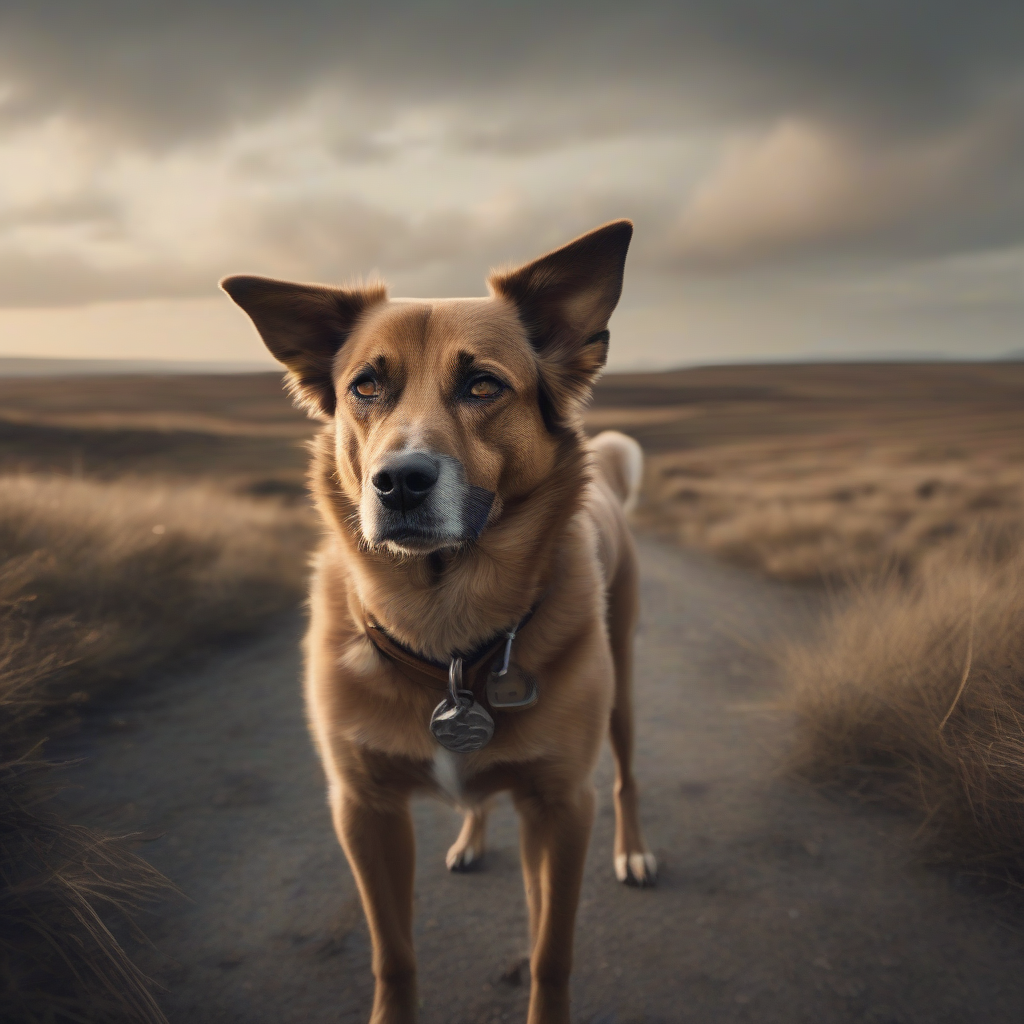
Learn the psychological reasons behind your dog's fear of getting lost and 5 crucial scientific intervention steps for emergencies.


In this article, we will deeply explore the insidious neurobiological effects of gut microbiome imbalance (dysbiosis) on your rabbit's brain health and provide scientific-based solutions to maintain mental vitality.

In this article, you can find comprehensive information on how pancreatitis in dogs not only affects the digestive system but also insidiously impacts the brain, its neuroinflammatory mechanisms, and lifesaving emergency intervention strategies.

Discover the 5 insidious effects of overfeeding, one of the most stealthy threats to your fish's health, causing neurometabolic destruction in their brains, and learn scientific feeding strategies to prevent this demise. Uncover the silent danger in your aquarium!
As of March 2026, our efforts to understand the mental and emotional worlds of our pets are accelerating with scientific research. Dogs are known for their intelligence, loyalty, and the deep bonds they form with us. However, these deep bonds can sometimes lead to unexpected behaviors and fears. The disruption of what we can call a dog's 'internal compass' – their sense of direction and belonging to a safe space – can cause severe anxiety and panic attacks. In this article, we will explore the underlying psychological mechanisms of the fear of getting lost in dogs, its symptoms, and most importantly, the scientific intervention steps that are vital in an emergency situation.
The fear of getting lost in dogs is often triggered by a combination of factors. These factors include:
Dogs form strong bonds with their owners. This bond is an evolutionary mechanism that helps them survive. Separation anxiety is the stress and fear a dog experiences when separated from its owner. The fear of getting lost is an extreme form of this separation anxiety. When a dog feels it has been separated from its 'home' or 'pack' where it feels safe, it can experience deep panic. This situation can overlap with traumatic experiences discussed in the article Your Dog's 'Shadow of the Past': Deciphering How Traumatic Experiences Shape Social Bonds!.
Dogs are highly sensitive to changes in their environment. Being in an unfamiliar, unknown, or uncontrollable environment can be a major source of stress for dogs. A lost dog is deprived of familiar scents, sounds, and visual cues. This can completely disrupt their 'internal compass,' triggering panic attacks. This complex environmental interaction shows similarities to research on social codes and unseen stress triggers in aquariums, as seen in Your Fish's 'Invisible Mind Map': Aquarium Social Codes and Stress-Triggering Unseen Factors.
Dogs never forget negative experiences they have had. A dog that has been lost or encountered a dangerous situation once may overreact in similar scenarios. These experiences leave deep imprints on a dog's brain and can trigger future fears.
Understanding that your dog is experiencing a fear of getting lost is critical for early intervention. These signs can often be subtle and easily missed:
If your dog gets lost or exhibits clear signs of fear of getting lost, the following steps will help you regain control of the situation and ensure your dog's safety:
Your panic when your dog is panicking will only worsen the situation. Speak in a calm tone, approach with gentle movements, and try to guide them to a familiar, quiet area. If possible, place their familiar blanket or toy nearby. This will give them a sense of belonging and security.
If you realize your dog has just gotten lost and is nearby, gently call their name and follow them, allowing them to sniff around. Dogs are very successful at finding their way using their scent memory. The importance of the sense of smell mentioned in the article Your Bird's 'Secret Scent Map': Decode Stress Triggers, Enhance Well-being! is also valid for dogs during this process.
If you have an idea where your dog might be, leave an item of your clothing or a blanket with a familiar scent associated with them at the location. Also, try to encourage them by playing their favorite toys or using your special 'recall' sound.
If your dog has been missing for a while, immediately inform local shelters, veterinary clinics, and relevant municipal departments. Provide detailed information about your dog's microchip number and the last place they were seen. Social media groups and lost pet alert sites are also effective tools.
If your dog's fear of getting lost or general anxiety disorder becomes persistent, it is important to seek professional help from a veterinarian or an animal behaviorist. Behavior training and sometimes medical support can help your dog cope with these fears. At this point, strategies for social integration, such as those discussed in articles like Your Dog's 'Invisible Territory Wars': Scientific Secrets to Adaptation and Peaceful Integration in a Multi-Pet Home!, can play a role in enhancing your dog's overall confidence.
Here are steps you can take to prevent your dog from experiencing a fear of getting lost:
Strengthening your dog's 'internal compass' is vital for their overall well-being and safety. With this information, you can help your dog live a more balanced and happy life.
