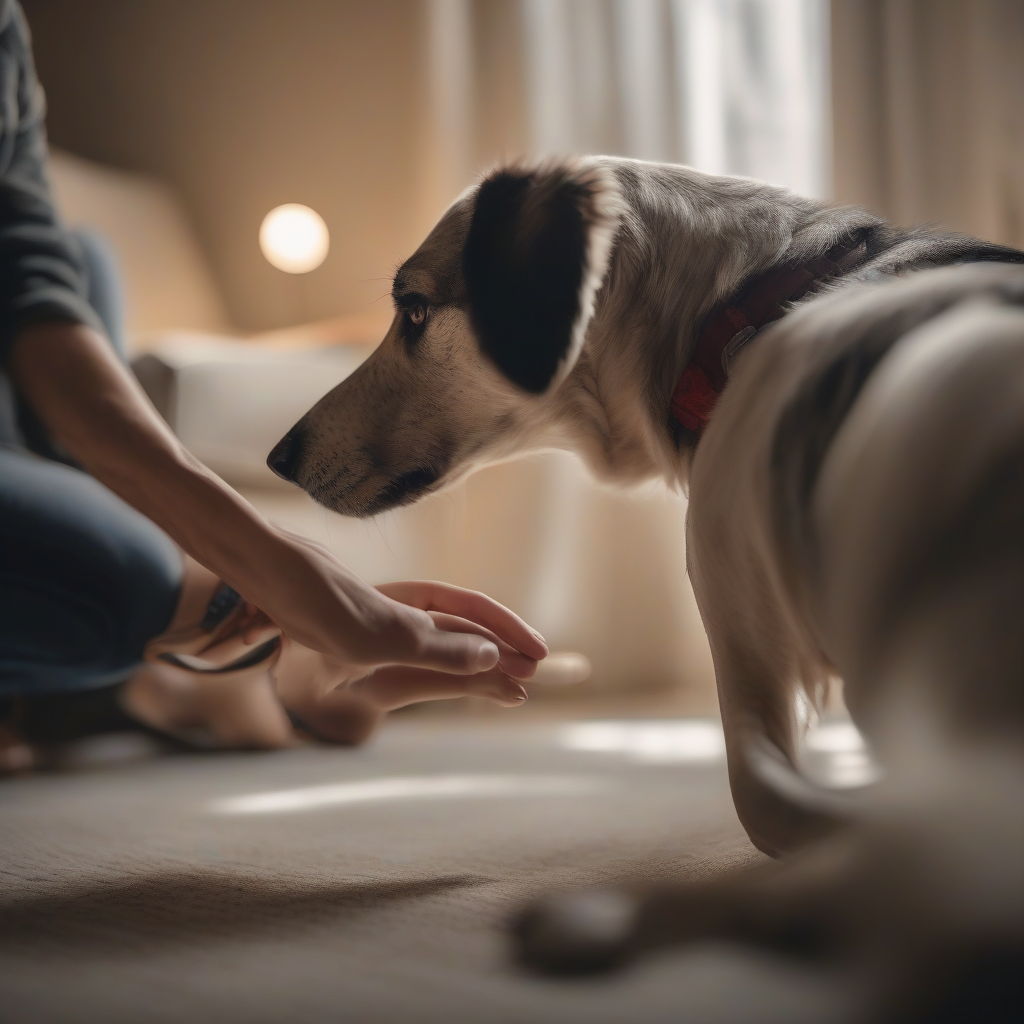
In this article, we scientifically examine how past traumas in your adopted dog affect their ability to form social bonds. You will find comprehensive information to understand hidden triggers and develop trust-building strategies.


In this article, we will deeply explore the insidious neurobiological effects of gut microbiome imbalance (dysbiosis) on your rabbit's brain health and provide scientific-based solutions to maintain mental vitality.
In this article, you can find comprehensive information on how pancreatitis in dogs not only affects the digestive system but also insidiously impacts the brain, its neuroinflammatory mechanisms, and lifesaving emergency intervention strategies.

Discover the 5 insidious effects of overfeeding, one of the most stealthy threats to your fish's health, causing neurometabolic destruction in their brains, and learn scientific feeding strategies to prevent this demise. Uncover the silent danger in your aquarium!
Adopting a dog is a new beginning for both you and your furry friend. However, especially for rescue dogs with a history of traumatic experiences, this process can be much more complex than anticipated. Your dog's 'Shadow of the Past' can profoundly affect their ability to form social bonds, their perception of trust, and their interactions with their environment. As a veterinary content strategist, in this article, we will delve into the scientific effects of traumatic experiences on dogs' social brains, identify hidden triggers, and detail how you can support them through this journey.
Trauma is a serious event that deeply impacts a dog's mental and emotional health, as much as their physical well-being. Scientific research indicates that traumatic experiences can lead to lasting changes in a dog's brain structure and neurochemistry. Specifically, the connections between the amygdala (the brain region responsible for fear and emotional responses) and the prefrontal cortex (the region regulating decision-making and social behaviors) can be affected. This can cause your dog to misinterpret social cues and exhibit sudden fear or aggressive reactions.
In dogs that have experienced trauma, cortisol (stress hormone) levels often remain elevated, while the regulation of happiness and reward hormones like serotonin and dopamine can be disrupted. This hormonal imbalance leads to your dog being in a constant state of alert, easily stressed, and resistant to new social interactions. These biochemical changes can make it challenging for your dog to adapt to a new home and people, as their brains may continue to misread danger signals even in a safe environment.
For dogs with a traumatic past, certain everyday situations can become 'hidden triggers' that evoke bad memories. These triggers can be specific sounds (loud noises, doorbell), smells (a particular perfume, the scent of a vet clinic), visuals (people in hats, strollers), or even certain human or dog body languages. Reactions like sudden restlessness, hiding, growling, or trembling can be signs that your dog has encountered a trigger. While these reactions may seem disproportionate, they stem from your dog's brain perceiving a real threat.
Your dog's responses to these triggers are often a reflection of the 'fight, flight, or freeze' response. This is an automatic survival instinct rather than a conscious choice. Understanding these behaviors helps you realize that they are not 'undesirable' but rather manifestations of a deep internal struggle. Our article, Your Dog's 'Silent Observation' Training Secrets: Scientific Codes to Overcome Environmental Sensitivity and Unwanted Behaviors, can provide further guidance on this topic.
Building trust with a traumatized dog is a scientific process that requires patience and consistency. The first step is to provide your dog with a safe, predictable, and calm environment. Avoid sudden movements, loud noises, and forced interactions. Allow your dog to approach you; never force them. Short, positive interactions using positive reinforcement (treats, gentle praise) lay the foundation for trust. Reading your dog's body language and respecting their boundaries is essential. Eye contact can initially be perceived as threatening, so softer gazes or sideways approaches may be preferred. Our article, Your Dog's 'Invisible Social Codes' in Their New Home: The Science of First 7 Days of Adaptation and Trust Building!, offers more information on the initial steps of the adaptation process.
Socializing a traumatized dog with other dogs requires an even more careful approach. Creating controlled and positive experiences is vital. Initially, allow your dog to have leashed, parallel walks with a calm and friendly dog. This helps them get accustomed to each other's scents and presence before direct contact. Uncontrolled environments like dog parks can initially cause fear and stress. Always monitor your dog's body language and end the interaction at the first sign of tension. Safe and brief interactions will reinforce positive associations over time. Remember, the tips in our article, Your Dog's Secret Sound Map: Invisible Noise Pollution at Home and Scientific Secrets to Creating a Calm Haven!, can help your dog feel more secure in their home environment.
The social recovery of a dog with a traumatic past is a long and sometimes challenging journey. Patience, understanding, and consistency are your most powerful tools in this process. Remember that progress is not always linear; some days may be better than others. If you continuously experience problems with your dog's behavior, showing signs of aggression or extreme fear, it's crucial to seek support from a veterinary behaviorist or a certified dog trainer. These experts can create a personalized behavior modification plan tailored to your dog's specific needs and recommend medication if necessary. These scientifically-based approaches will help your dog emerge from the shadow of the past into a happy and balanced social life.
Regardless of how difficult your dog's past has been, with an approach full of love, understanding, and scientific methods, you can make a real difference in their life. Remember, every dog deserves a second chance, and the trusting bond you build with them will be the key to their healing.
