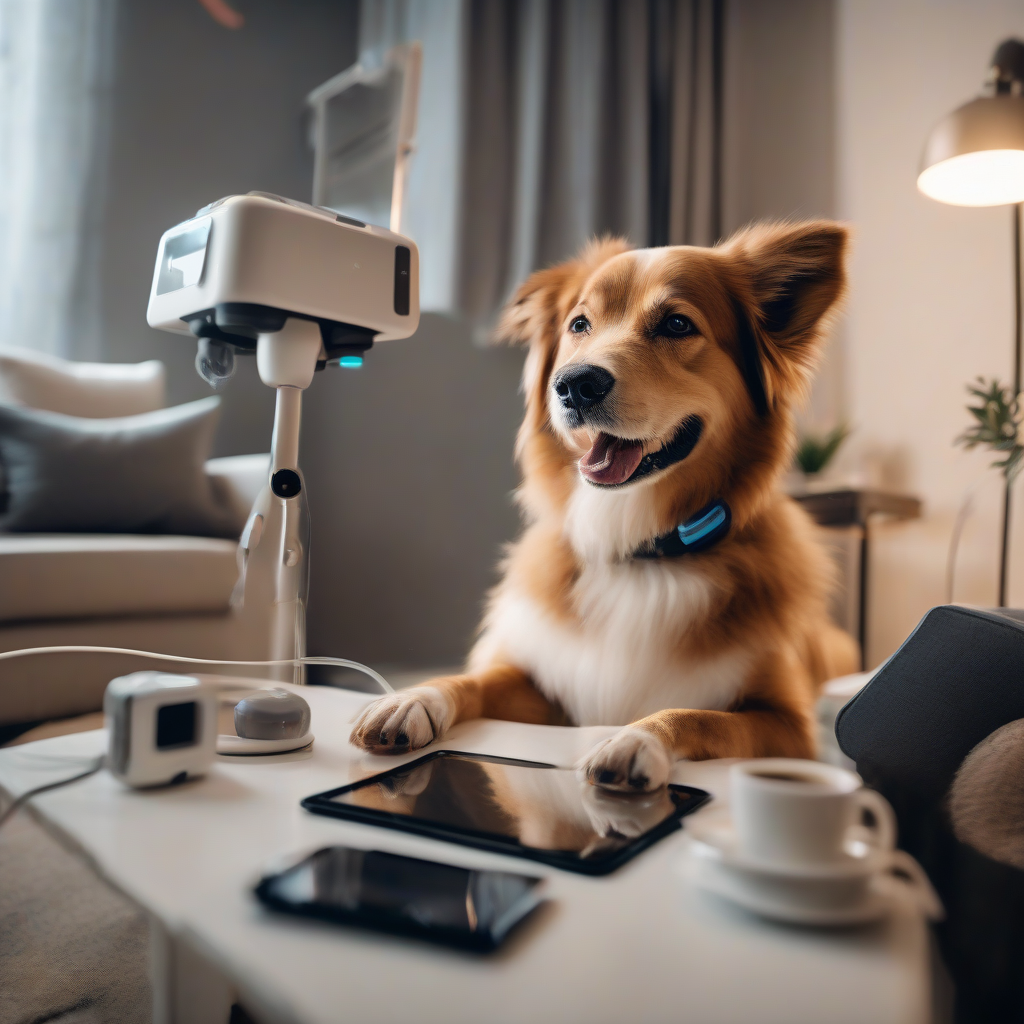
In this article, discover innovative approaches to pet care with next-gen home diagnostics and telemedicine services trending in Spring 2026. Learn how digital veterinary medicine empowers proactive pet health management.


Discover the neurobiological signals of hidden stress your newly adopted cat experiences during adaptation to a new social environment. This article reveals 5 insidious signs of your cat's silent struggle and scientific strategies for peaceful, long-term harmony.

Your dog's anal sacs, located beneath the tail, can be hidden alarm bells often overlooked but profoundly affecting their quality of life. In this article, you will discover the 5 insidious neurobiological effects of anal sac problems on the brain and the lifesaving care secrets you need to know for your furry friend to live a peaceful life.

In this article, you will find comprehensive information on the insidious neurotoxic effects of heavy metal poisoning in aquarium fish, its symptoms, and lifesaving emergency intervention codes. This condition, which can arise from household water sources, improper equipment, or neglect, can severely threaten your fish's quality of life and lifespan.
The concerns surrounding our beloved pets' health are being transformed by innovative technological solutions today. Especially as we enter March 2026, with the increased activity brought by spring, home diagnostics and telemedicine services are becoming a significant trend in many areas, from minor health issues pets might encounter to monitoring chronic diseases. The digital face of veterinary medicine offers pet owners more proactive, accessible, and comfortable care options.
Going beyond traditional veterinary clinic visits, home diagnostic tools allow pet owners to monitor their furry friends' health status in real-time. These technologies emphasize the importance of early detection, providing an opportunity for faster intervention in potential health problems.
Smart collars, chips, and wearable sensors, which go beyond just location tracking, can continuously measure vital data such as pets' heart rate, respiratory rate, body temperature, activity levels, and sleep patterns. This data provides valuable insights into your pet's overall health, helping you detect deviations from the norm early. For example, signs like an increased heart rate or irregular breathing can be an early warning to contact a veterinarian. You can find more detailed information on this topic in our article, March 2026: Proactive Pet Health Monitoring with Microchip Technology – A Future Beyond Identification.
Next-gen smart food bowls can track your pet's eating habits, water consumption, and even weight. Smart litter systems specifically designed for cats can analyze the frequency and amount of urination, and in some cases, even the pH value or abnormalities in the urine content. Such data plays a critical role in detecting early signs of chronic conditions like urinary tract infections, kidney diseases, or diabetes. This enables significant steps for Spring 2026: Advanced Immune System Support in Pets.
Mobile applications allow pet owners to input observed symptoms to gain preliminary information about potential health problems. While these applications do not replace a veterinary diagnosis, they can guide owners on when to consult a specialist.
Telemedicine encompasses a range of services that allow pet owners to communicate with veterinarians remotely. This offers a quick and practical solution for situations like minor injuries or allergic reactions that might arise from increased outdoor activities, especially in spring.
Many topics, such as routine check-ups, diet counseling, behavioral issues, or medication follow-ups, can be confidently addressed via video conferencing. The veterinarian can make more accurate assessments by observing the pet in its natural environment. This also reduces the stress of going to the clinic, which is a great advantage, especially for anxious animals.
For pets with chronic conditions, telemedicine provides great convenience for regular follow-up and medication management. Data from home diagnostic tools can be reviewed remotely by the veterinarian, allowing for timely and necessary adjustments to treatment plans. Especially in situations like Post-Surgical Care and Rapid Recovery Strategies for Pets: Current Approaches in 2026, remote monitoring of the recovery process is of great importance.
While home diagnostics and telemedicine are important parts of modern veterinary medicine, they should not entirely replace traditional clinic visits.
To get the most out of these technologies, it's important to choose reliable platforms and devices approved by veterinarians. Reviewing user feedback, reading data privacy policies, and especially considering your veterinarian's recommendations will help you make the right choice.
Home diagnostics and telemedicine services offer revolutionary innovations in pet health. Through these technologies, the quality of life for our pets is enhanced, and pet owners become more informed and proactive caregivers. Remember that all these conveniences offered by technology never invalidate the expertise of a professional veterinarian; instead, they complement and support it.
