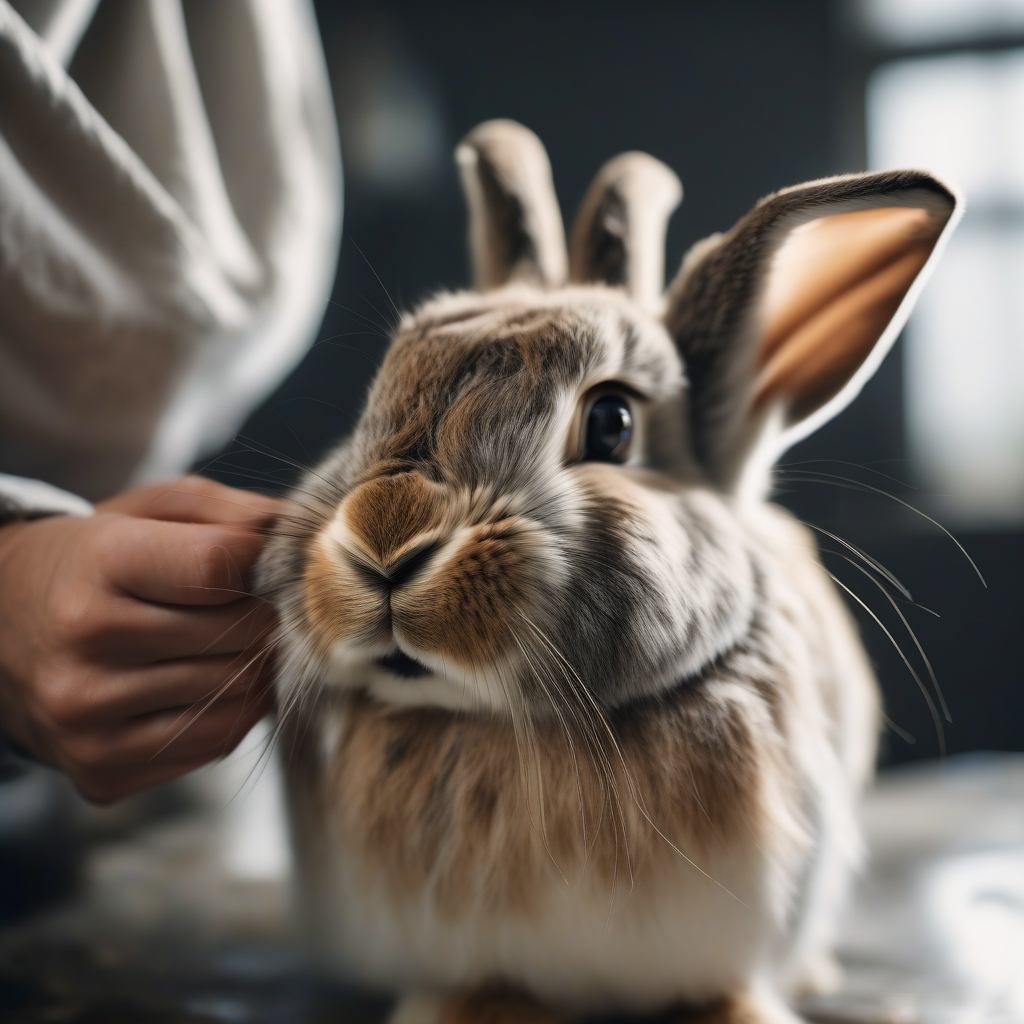
In this article, you will find comprehensive information about 5 critical care tips for rabbits that go beyond common fur loss concerns.


Discover the neurobiological signals of hidden stress your newly adopted cat experiences during adaptation to a new social environment. This article reveals 5 insidious signs of your cat's silent struggle and scientific strategies for peaceful, long-term harmony.

Your dog's anal sacs, located beneath the tail, can be hidden alarm bells often overlooked but profoundly affecting their quality of life. In this article, you will discover the 5 insidious neurobiological effects of anal sac problems on the brain and the lifesaving care secrets you need to know for your furry friend to live a peaceful life.
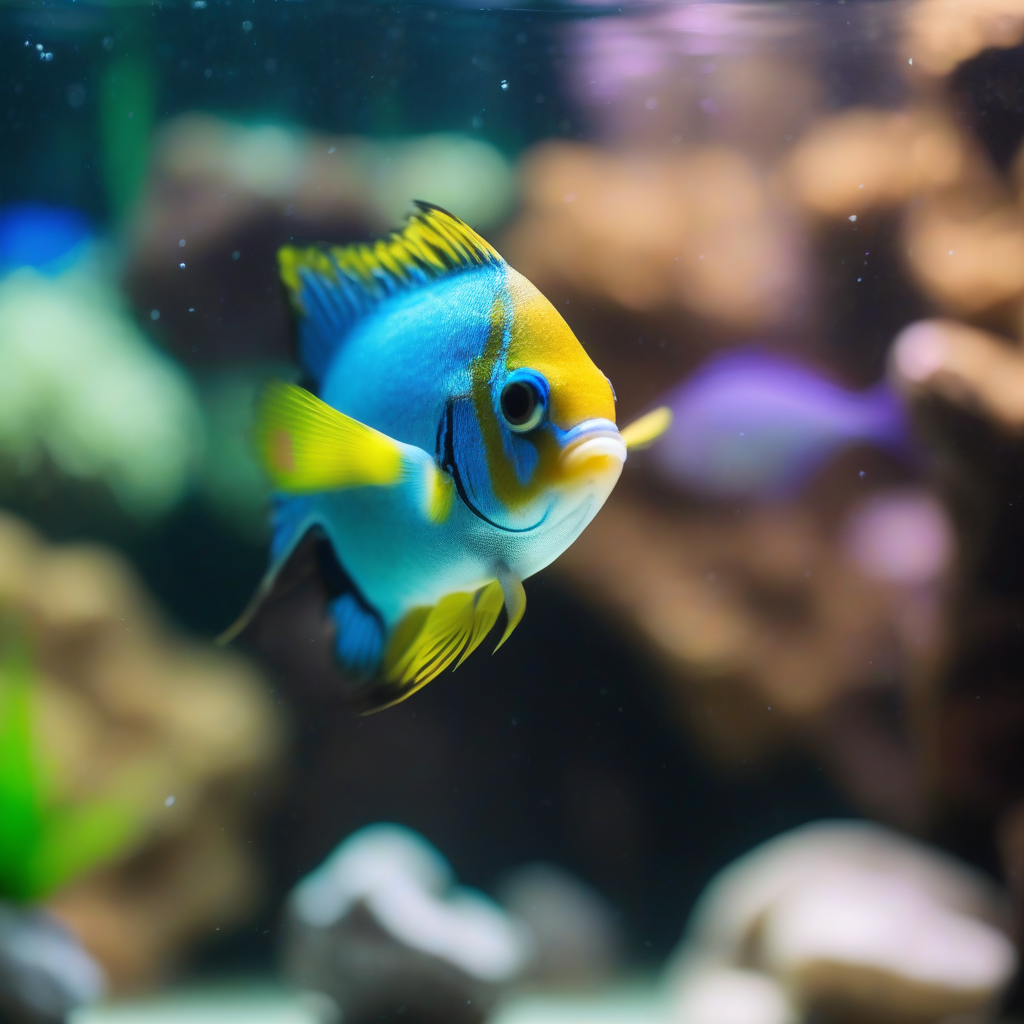
In this article, you will find comprehensive information on the insidious neurotoxic effects of heavy metal poisoning in aquarium fish, its symptoms, and lifesaving emergency intervention codes. This condition, which can arise from household water sources, improper equipment, or neglect, can severely threaten your fish's quality of life and lifespan.
Rabbits are adorable and gentle companions. However, common knowledge regarding their care often remains superficial, overlooking many critical details. Especially in 2026, with scientific advancements and observations, we need a deeper understanding to maximize our rabbits' health and well-being. In this article, we will delve beyond ordinary fur loss to address 5 critical care tips that focus on rabbits' hidden sensitivities, which most owners are unaware of.
One of the most common concerns for rabbit owners is seasonal fur shedding. However, excessive fur loss or changes in shedding areas can be harbingers of more serious underlying issues. These include the risk of Silent Danger in Rabbits: GI Stasis (Gut Stasis) and Lifesaving Emergency Intervention Guide (2026), which can arise from ingesting too much fur. Rabbits' digestive systems are extremely sensitive, and indigestible foreign bodies (including fur) can lead to severe blockages. If your rabbit is shedding more than usual, it might be a sign of a digestive issue or that they are under stress.
Rabbits' self-grooming tendencies can lead to uncontrolled hairball formation. This condition not only causes skin irritation or fungal infections but also creates a suitable environment for pathogens to colonize the skin. Furthermore, skin damage can become an entry point for parasites. Infections like The Silent Parasite in Rabbits: E. cuniculi – A Covert Threat Spreading from Brain to Kidney and Prevention Strategies (March 2026) can spread more easily with a weakened skin barrier.
Eye and nasal discharge in rabbits is often associated with allergies or the common cold. However, these symptoms can also be indicative of serious dental problems, upper respiratory infections, or even certain systemic diseases. The continuous growth of their teeth is a factor that should not be overlooked in a rabbit's care routine. It is important to examine topics like March 2026: Comprehensive Oral and Dental Health Guide for Pets – Secrets for Sparkling Smiles and a Healthy Mouth in Spring in depth.
Many rabbit owners believe nail care is only important for maintaining balance. However, overgrown or improperly trimmed nails not only lead to gait abnormalities but also have negative impacts on joint health. Long nails can disrupt a rabbit's natural posture, placing extra strain on their spine and legs. This can lead to joint degeneration and restricted movement in the long term. As we touched upon in our article March 2026: Advanced Mobility and Joint Health for Your Pets – A Guide to a Zesty Start to Spring, joint health is vital for overall quality of life.
Rabbits are social creatures, and mental stimulation is as important for them as physical health. Rabbits living in a monotonous environment can develop stress, depression, and behavioral problems. This can weaken their immune system, making them more vulnerable to diseases. Activities like Spring 2026: Next-Gen Scent Work and Mental Stimulation for Pets – Bonding and Intelligence Through Nose Games support both the mental and physical health of rabbits.
In conclusion, simply meeting the basic needs of our rabbits is not enough for their health and happiness. Understanding their unique physiology, behavior, and hidden sensitivities is the key to ensuring they live longer, healthier, and happier lives. By implementing these critical care tips, you can significantly improve the quality of life for your beloved companions.
