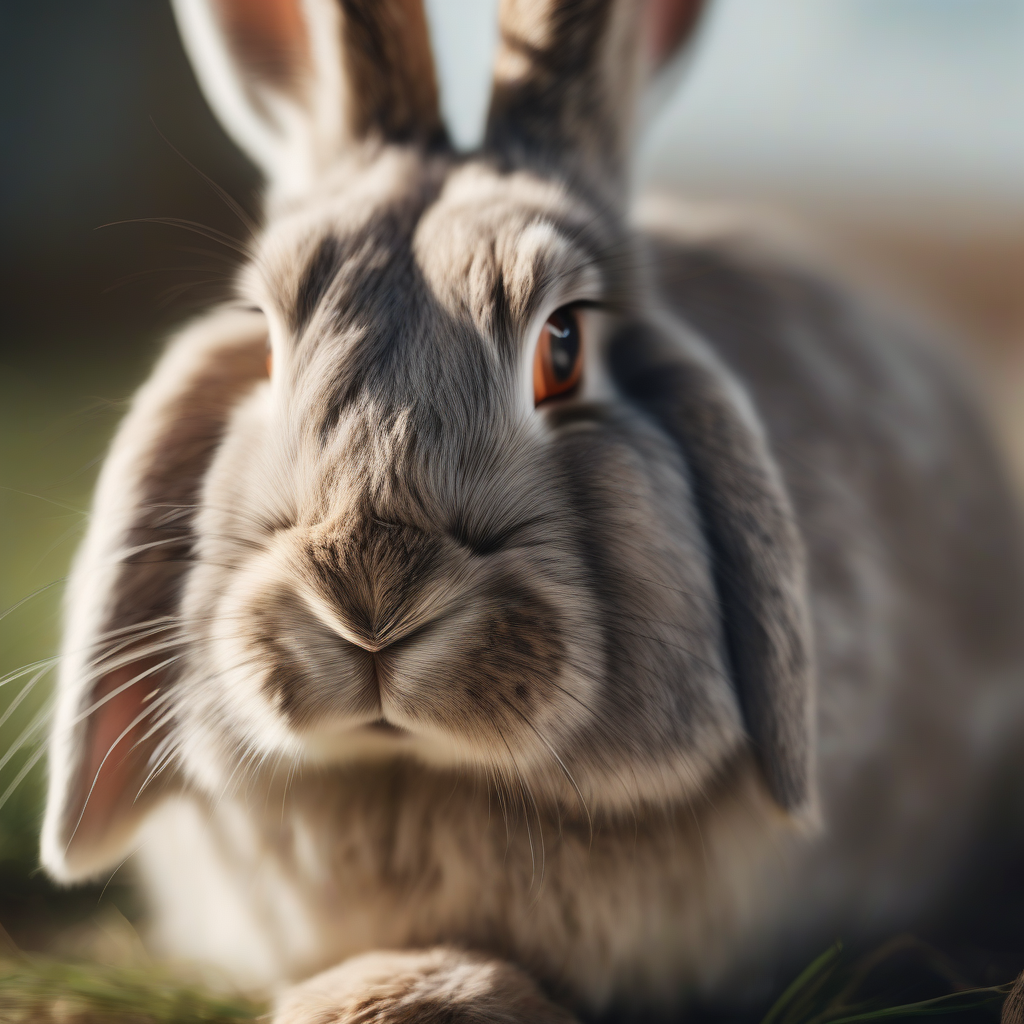
In this article, you'll discover the hidden hormonal imbalances behind sudden hairball crises in rabbits, identify 5 critical neurological triggers, and learn about scientific solutions.

In this article, you will find comprehensive information about the insidious neurobiological effects of artificial colorings, preservatives, and flavors found in commercial bird feeds on your bird's brain health and mental vitality. We explore scientific nutritional secrets to combat these hidden dangers, shedding light on a wide spectrum of effects from behavioral changes to cognitive decline.
In this article, you can discover the scientific secrets to understanding your cat's undesirable habits, deciphering the neurocognitive mechanisms in their brain, and establishing lasting new routines.
Discover the types of burns your dog can suffer, the 5 insidious neurophysiological effects these burns create in the brain and body, and lifesaving emergency intervention strategies in this comprehensive guide. We shed light on the dangers behind forgotten household accidents from a scientific perspective.
Rabbits are known for their delicate metabolisms and complex physiology. Sometimes, they can experience sudden health crises that appear without prior warning. One such crisis is a sudden hairball blockage, also known as gastric stasis. While it may seem like a simple issue, underlying hormonal imbalances and neurological triggers can turn this condition into a life-threatening emergency.
In this article, we will delve into how to recognize your rabbit's 'hidden hormonal imbalance' alarm, uncover the 5 insidious neurological triggers behind sudden hairball crises, and explore the scientific interventions to prevent them.
During their molting periods, rabbits ingest fur while grooming. Normally, this fur passes through their digestive system without issue. However, hormonal imbalances or stress can disrupt the normal functioning of the digestive tract, causing fur to accumulate in the stomach and form a blockage. This condition, also known as 'gastric stasis,' requires immediate veterinary attention.
Sudden stress triggers the release of stress hormones like cortisol in rabbits. These hormones directly affect the motor functions of the digestive system, slowing down or stopping gastric emptying. A sluggish stomach creates a perfect environment for ingested fur to accumulate. This could indicate that your rabbit is living in a stressful environment or has undergone a sudden change in routine.
Thyroid hormones regulate metabolic rate and, consequently, the pace of digestive system function. In cases of hypothyroidism (underactive thyroid), the digestive system slows down, leading to a longer residence time for fur in the stomach and increased risk of matting. This may be accompanied by a general drop in your rabbit's energy levels or weight gain.
Calcium balance is crucial for muscle function and, therefore, intestinal motility in rabbits. Abnormalities in calcium levels can prevent proper intestinal contractions, negatively impacting the digestive process and hindering the passage of fur. For more information on this topic, you can refer to our article, Your Rabbit's Hidden 'Calcium Traps': 5 Unknown Neurophysiological Secrets of Dental and Bone Health!.
Vitamin D is essential not only for bone health but also for immune system function and the health of the intestinal lining. Vitamin D deficiency can lead to intestinal inflammation and digestive disturbances, which can impede the passage of fur and increase the risk of accumulation.
Certain viral infections, particularly adenoviruses in rabbits, can cause neurological symptoms. These symptoms may include loss of appetite, depression, and general lethargy. Loss of appetite means your rabbit is not getting adequate nutrition, which can weaken the digestive system and make fur accumulation more likely. For more detailed information on this, you can review our article Your Bird's Hidden 'Fluid Balance' Crisis: 5 Insidious Neurophysiological Signs of Electrolyte Loss and Lifesaving Scientific Solutions! (principles may be similar despite species difference).
If you notice symptoms such as sudden loss of appetite, lethargy, abdominal bloating, teeth grinding (a sign of pain), or reduced fecal output in your rabbit, it could be a hairball crisis. In such cases, seeking immediate veterinary attention is crucial. Your veterinarian may use methods like X-rays or ultrasound for diagnosis and will determine the treatment plan. Treatment typically involves fluid therapy, medications to stimulate gut motility, and potentially surgical intervention if necessary. For more information on these emergencies, you can explore the emergency intervention principles in our article Your Rabbit's 'Hidden Collapse' Alarm: Lifesaving 5-Second Scientific Intervention Codes for Sudden Respiratory Arrest!.
The most effective way to prevent sudden hairball crises is to provide a proper diet and a healthy living environment. Here's what to pay attention to:
By closely monitoring your rabbit's health, you can prevent sudden hairball crises caused by hormonal imbalances and neurological triggers, helping them lead a healthier, happier life.
