In this article, you will find comprehensive information about frequently overlooked urine crystal formation in rabbits, its effects on kidney and bladder health, and early diagnosis and protection strategies.


In this article, you will discover the 5 insidious neurobiological effects of the Encephalitozoon Cuniculi parasite, which is often overlooked in rabbits but severely affects the brain, along with lifesaving early diagnosis methods.

In this article, we will deeply explore the insidious neurobiological effects of gut microbiome imbalance (dysbiosis) on your rabbit's brain health and provide scientific-based solutions to maintain mental vitality.

In this article, you can find comprehensive information on how pancreatitis in dogs not only affects the digestive system but also insidiously impacts the brain, its neuroinflammatory mechanisms, and lifesaving emergency intervention strategies.
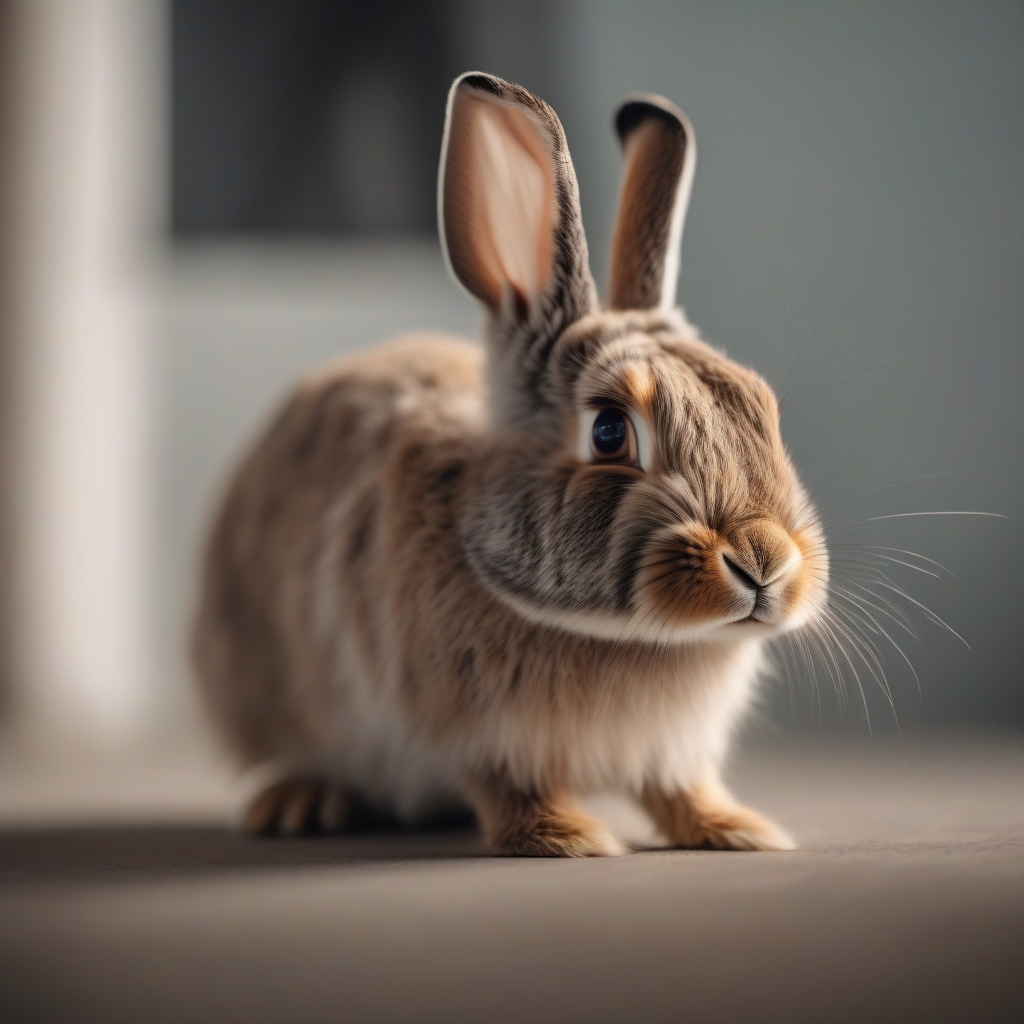
Rabbits, with their cute and gentle nature, bring joy to our homes, but when it comes to their health, they can face some 'invisible' threats. One such threat is the formation of urine crystals, which often progresses silently and can lead to serious health problems. This often overlooked condition can profoundly affect your rabbit's kidney and bladder health. As a veterinary content strategist, in this article, we will delve into the scientific secrets behind urine crystal formation in rabbits, its stealthy symptoms, early diagnosis methods, and most importantly, strategies to prevent this condition.
Rabbits' unique physiology makes them particularly susceptible to urinary tract issues. Unlike other pets, rabbits excrete calcium through their kidneys via urine, rather than through their digestive system. This, combined with factors such as improper diet or insufficient fluid intake, can lead to the accumulation of crystals in the urine and, over time, the formation of sludge or stones. Understanding these 'secret whispers' is vital for our tiny friend to lead a long and healthy life.
The rabbit's urinary system differs significantly from that of other mammals in terms of calcium metabolism. Understanding this fundamental difference is crucial for grasping the causes of urine crystal formation.
Dogs and cats absorb only the calcium they need from food, excreting the excess through their intestines via feces. Rabbits, however, tend to absorb all the calcium they consume. This excess calcium then passes into the bloodstream and is filtered by the kidneys, to be excreted through urine. Even in a healthy rabbit, urine may often be cloudy or creamy white, due to its naturally high calcium content. However, overloading this system sets the stage for crystal formation.
Excessive calcium in the urine, combined with factors such as an imbalance in urine pH or insufficient water intake, can lead to the formation of calcium carbonate crystals. These crystals may initially be microscopic and cause no symptoms. Over time, however, these crystals can agglomerate into a dense substance known as 'bladder sludge' or larger, hard bladder stones. This condition can obstruct urine flow and cause severe pain.
Rabbits are masters at hiding their pain and discomfort. Therefore, symptoms of urine crystal problems can often be stealthy and overlooked. Careful observation is necessary for early diagnosis.
A rabbit suffering from urinary tract issues may become lethargic or irritable, whereas they are normally cheerful and active. Confusingly, this can be a general sign of discomfort, also seen in relation to Your Rabbit's 'Invisible Scent Codes': Social and Emotional Clues Behind Unexplained Behaviors!. Additionally, there may be an increase in spending more time than usual in cage corners or litter boxes, frequent changes in position, or increased grooming behaviors.
This is perhaps the most obvious physical symptom. Changes such as blood in the urine (pink or reddish urine), straining to urinate, frequent attempts to urinate with small amounts, or urinating outside the cage may be observed. The color and consistency of the urine may also change; it might appear denser, muddier, or chalkier than normal. Especially in connection with topics like Your Rabbit's 'Invisible Hydration Language': Vital Secrets of Water Consumption and Stealthy Dehydration Threats!, adequate fluid intake plays a key role in preventing such problems.
Your rabbit may show sensitivity or pain when its abdomen is touched. Some rabbits may grind their teeth (a sign of pain) or adopt a tense posture. Reduced appetite or decreased defecation may also accompany these signs. Such symptoms can resemble other painful conditions like Your Rabbit's 'Silent Jaw Problem': The Science Behind Tooth Overgrowth and 5 Care Strategies for a Pain-Free Life!, making accurate diagnosis by a veterinarian crucial.
Early diagnosis is critical for managing urine crystal problems and for your rabbit's health. In addition to observing symptoms, professional veterinary intervention is required.
Regular veterinary check-ups are indispensable for assessing your rabbit's overall health and detecting potential problems at an early stage. Given rabbits' calcium metabolism, periodic health screenings are vital.
Your veterinarian will take a urine sample from your rabbit to perform a urinalysis. This test can reveal the presence and type of crystals, pH level, and signs of infection in the urine. Additionally, abdominal radiographs (X-rays) and ultrasound can be used to determine the size and location of stones or sludge in the bladder or kidneys. These imaging methods are essential for understanding the severity of the condition and establishing the most appropriate treatment plan.
When your rabbit is diagnosed with a urine crystal problem or when you want to prevent such issues, lifestyle and dietary changes play a key role. Avoiding environmental hazards as mentioned in Your Rabbit's 'Secret Poison Detector': Recognizing Stealthy Dangers at Home and 5 Scientific Intervention Steps to Save a Life! is important, as is proper nutrition and hydration.
Balancing calcium intake correctly is essential. High-calcium foods (e.g., alfalfa hay, too many calcium supplements) should be avoided, and instead, low-calcium, high-fiber hays like timothy hay should form the main component of the diet. Plenty of fresh greens and vegetables (avoiding excessive high-oxalate vegetables like parsley and spinach) are also important. Pellets should be given in limited quantities, appropriate for the rabbit's age and health status.
Adequate water intake helps dilute urine and prevent crystal formation. Ensure your rabbit always has access to fresh, clean water. Using water bowls instead of sipper bottles can encourage rabbits to drink more water. You can also increase water intake naturally through leafy green vegetables. Closely monitoring your rabbit's drinking habits provides insight into Your Rabbit's 'Invisible Hydration Language'.
An active lifestyle is important for rabbits' overall health and metabolism. Sufficient exercise helps with weight control and can support a more efficient urinary system. As mentioned in Your Rabbit's 'Secret Play Language': From Escaping Boredom to Mental Stimulation, Scientific Secrets and Well-being Keys!, an active and mentally stimulated rabbit contributes to its overall well-being.
In conclusion, understanding and intervening early in your rabbit's 'secret urine crystal whispers' can significantly enhance its health and quality of life. Remember, the first step in any health concern is always to consult a veterinarian. Through scientific knowledge and regular veterinary check-ups, you can ensure the kidney and bladder health of your tiny companion.
