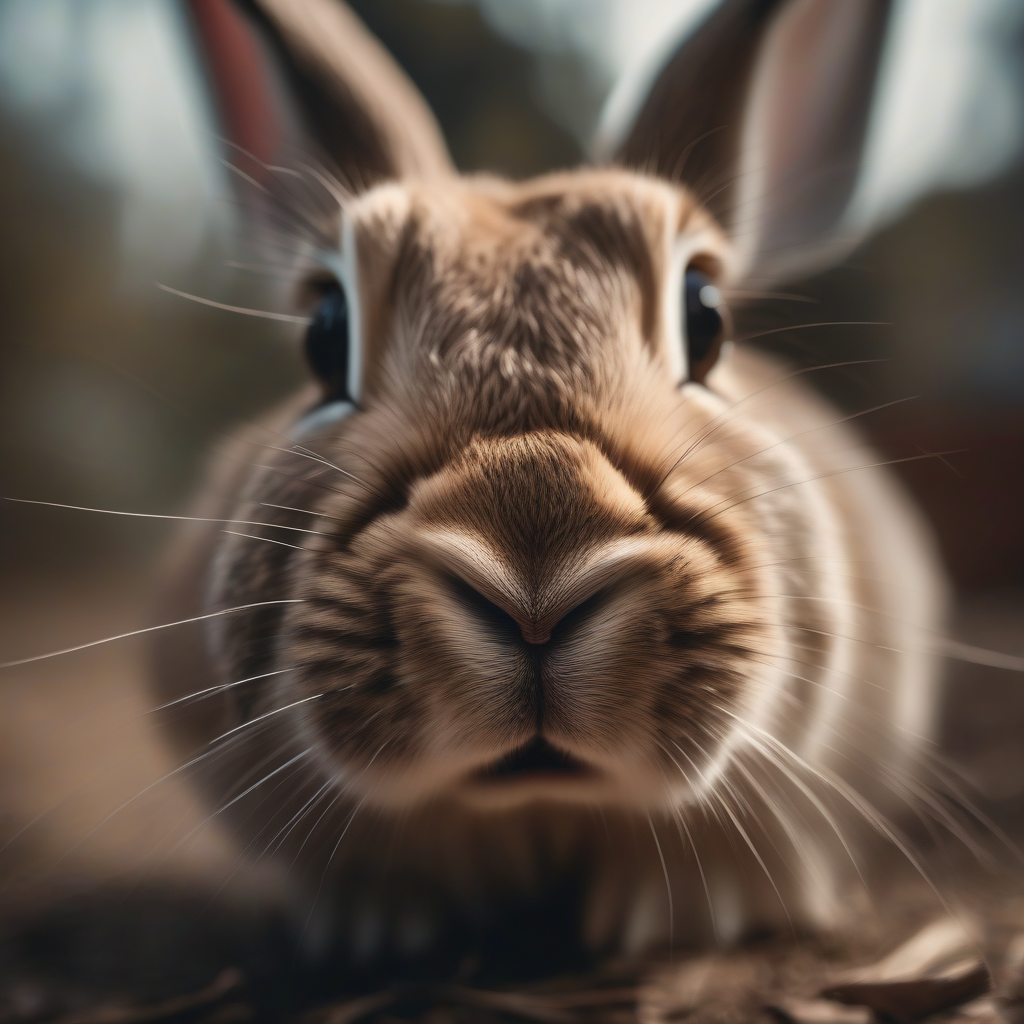
Discover the subtle clues in your rabbit's body language and their methods of scent communication. In this article, you'll learn scientific secrets that will allow you to build a deeper bond with them.


In this article, we will deeply explore the insidious neurobiological effects of gut microbiome imbalance (dysbiosis) on your rabbit's brain health and provide scientific-based solutions to maintain mental vitality.

In this article, you can find comprehensive information on how pancreatitis in dogs not only affects the digestive system but also insidiously impacts the brain, its neuroinflammatory mechanisms, and lifesaving emergency intervention strategies.

Discover the 5 insidious effects of overfeeding, one of the most stealthy threats to your fish's health, causing neurometabolic destruction in their brains, and learn scientific feeding strategies to prevent this demise. Uncover the silent danger in your aquarium!
Rabbits are complex social creatures, and they skillfully use not only their voices or body language but also their sense of smell to communicate. In their world, scent is like a treasure trove of information; it can convey their mood, social status, threat perception, and even health status. However, this scent communication often remains 'invisible' to human perception. In this article, we will unravel the mystery behind the scents your rabbit emits and learn how you can interpret these 'invisible scent codes'.
Rabbits produce scents through specialized scent glands located in various areas of their bodies. The most well-known include the chin scent glands, anal glands, and laryngeal glands. These glands produce secretions containing unique pheromones and other chemical signals. When these secretions are left in the environment or when interacting with other rabbits, they carry deep meanings.
You've likely noticed your rabbit rubbing its chin on furniture or on you. This action is not just a sign of affection but also a territorial marking. The pheromones secreted from the chin glands signify 'I was here' or 'this is my territory.' This is a silent form of communication that helps rabbits establish boundaries with each other, especially in a social setting. If you have multiple rabbits, you'll observe this behavior more frequently. It's essentially a process of creating their own 'scent maps.' Similar to Your Bird's 'Secret Scent Map': Decode Stress Triggers, Enhance Well-being!, scent perception plays a critical role in shaping behavior across different species.
Scents secreted from the anal glands are generally used to determine a rabbit's social hierarchy and to provide information about their general health status. The scent of a rabbit's anal glands can offer clues about its overall health, diet, and even stress levels. These scents may be deposited along with urine and feces or detected through direct contact.
The chin rubbing mentioned earlier is not only a way for a rabbit to show its affection towards you but also an attempt to combine its scent with yours and mark you as 'part of the family.' This is part of an effort to build a secure bond, especially when adapting to a new environment or meeting a new rabbit. Similar to Your Dog's 'Invisible Social Codes' in Their New Home: The Science of First 7 Days of Adaptation and Trust Building!, rabbits also develop mechanisms to feel secure in new environments through scent.
It's not just to smell food! Rabbits can detect even the slightest change in scent in their surroundings. Their sudden, faster nose twitching indicates the presence of a new or potentially significant scent in the environment. This could be a potential threat, a new food source, or even a message left by other rabbits. This is a testament to how detailed a scent map permeates their world.
Urine spraying, particularly seen in unspayed rabbits, is actually a powerful form of scent communication. It is a message signifying 'I am here,' 'this is my territory,' or expressing reproductive desire. The urine, enriched with pheromones from the scent glands, serves as an effective territorial marker. This behavior is part of the rabbits' efforts to socialize and establish hierarchy among themselves. Our article Your Rabbit's 'Secret Scent Glands': Overlooked Hygiene Secrets and the Key to Behavioral Well-being! offers a deeper insight into this topic.
Rabbits make an effort to keep themselves and their surroundings clean. However, sometimes excessive fur licking or grooming behavior can mask underlying stress or discomfort. Changes in body odor can affect how often rabbits groom each other or themselves. If you notice your rabbit licking itself more than usual, it's important to consult your veterinarian to see if there's an underlying cause.
Your rabbit's sense of smell forms the basis of its perception of the world. Therefore, it's crucial to avoid strong and unpleasant odors in its living space. Aggressive cleaning products, perfumes, or air fresheners can be a source of stress for your rabbit and can interfere with natural scent communication. Opting for natural, mild, and animal-friendly cleaning products will create a calmer and safer environment for them.
Your rabbit's world has a much richer layer of scent than ours. Understanding their behavior requires more than just reading body language; it also involves observing how they interact through scent communication. From chin rubs to urine spraying, every behavior has hidden scent codes that reveal insights into their social world and emotional state. By decoding these codes, you can strengthen the bond with your rabbit and offer them a better quality of life. Research focusing on the unique communication and perception systems of different species, such as Your Fish's 'Secret Nutritional Hooks': The Scientific Dance of Soft and Hard Foods and the Key to Healthy Digestion!, emphasizes that each creature has its own specialized communication and perception system.
