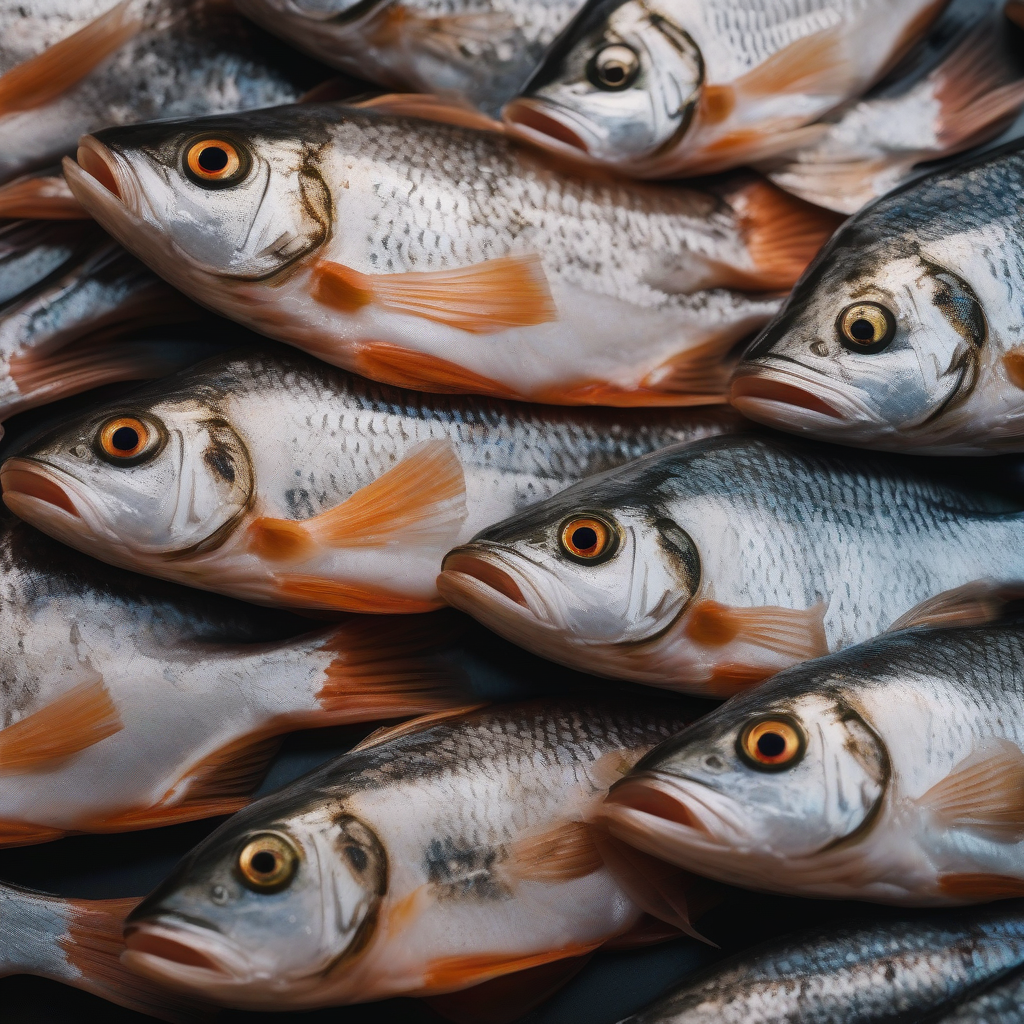
Discover the scientific effects of soft and hard foods in your fish's diet. Nutritional secrets to optimize their digestive systems on WikiPet!


In this article, we will deeply explore the insidious neurobiological effects of gut microbiome imbalance (dysbiosis) on your rabbit's brain health and provide scientific-based solutions to maintain mental vitality.

In this article, you can find comprehensive information on how pancreatitis in dogs not only affects the digestive system but also insidiously impacts the brain, its neuroinflammatory mechanisms, and lifesaving emergency intervention strategies.

Discover the 5 insidious effects of overfeeding, one of the most stealthy threats to your fish's health, causing neurometabolic destruction in their brains, and learn scientific feeding strategies to prevent this demise. Uncover the silent danger in your aquarium!
The health and well-being of the colorful inhabitants in your aquariums are not limited to just water quality and a suitable living space. In fact, your fish's dietary habits and the sensitivities of their digestive systems are critical factors that directly impact their overall health. At this point, among the countless types of food we see in aquarium and pet stores, delving into the depths of nutritional science to make the right choice is of great importance.
Specifically, the fine line between soft and hard foods can have a surprisingly significant impact on fish's digestive efficiency and nutrient absorption. So, what are the fundamental differences between these two different food forms? Which is more suitable for which fish species? And most importantly, what are the 'secret hooks' of these foods on their digestive systems?
Soft foods generally consist of more easily digestible protein sources and less processed ingredients. This is a great advantage, especially for fish species with sensitive digestive systems. For instance, many tropical fish species in their natural habitats feed on softer, protein-rich insect larvae and small invertebrates. Therefore, soft foods offered to them in an aquarium environment allow them to obtain all the necessary nutrients without straining their digestive systems.
Key scientific advantages of soft foods include:
Almost every fish species can benefit from soft foods at a certain stage of its life cycle. Soft foods rich in protein and vitamins are especially critical for fry for their rapid and healthy growth. For more information, you can refer to topics such as Your Fish's 'Silent Skeletons': Scientific Secrets of Calcium and Phosphorus Balance!.
Hard foods are generally more dense and concentrated sources of nutrition. These foods, in pellet or flake form, help fish feel full for a long time and also contribute differently to the aquarium's nutrient cycle. The structure of hard foods provides fish with a longer feeding period as they dissolve slowly, which can help them mimic natural hunting behaviors.
Scientifically important aspects of hard foods:
However, the selection of hard foods must be done carefully according to the fish species. For example, slow-sinking and bottom-dissolving hard foods are ideal for bottom-dwelling fish. Hard foods that remain on the surface and disperse quickly may be more suitable for surface-feeding fish. Incorrectly chosen hard foods can degrade aquarium water quality and lead to digestive problems in fish. At this point, articles like Invisible Micro-Habitat Architecture in Fish Aquariums: Scientific Secrets of Species-Specific Hiding Places to Zero Out Stress! can also guide you.
Each fish species has its unique dietary needs. Understanding these needs forms the basis of creating a healthy aquarium environment. Some fish are carnivorous, some are herbivorous, and some are omnivorous.
Observing your fish's behavior can also provide clues about their feeding preferences. For example, fish constantly swimming at the surface are more inclined towards floating foods, while fish that spend time at the bottom of the aquarium may prefer sinking foods. These observations help you understand their natural feeding habits.
Incorrect food choices can lead to various digestive problems in fish. Serious issues such as bloating, constipation, insufficient nutrient absorption, and even internal organ damage can arise. Especially excessively hard or difficult-to-digest foods can strain the fish's digestive system and negatively affect their overall health.
Therefore, scientifically understanding the dietary requirements of your fish species and choosing appropriate, high-quality foods is of vital importance. Carefully examining the food's ingredients and ensuring the correct protein, fat, carbohydrate, and vitamin ratios suitable for your fish species are among the most important steps for them to live long and healthy lives. Additionally, for detailed information on water quality, you can also review our article Your Fish's 'Invisible Classroom': 5 Scientific Tips for Learning Water Quality Parameters!.
In conclusion, establishing a balance between soft and hard foods in your fish's diet is a critical element for their physical and mental health. With the right food choice, you can ensure that the creatures in your aquarium are more energetic, more colorful, and healthier.
