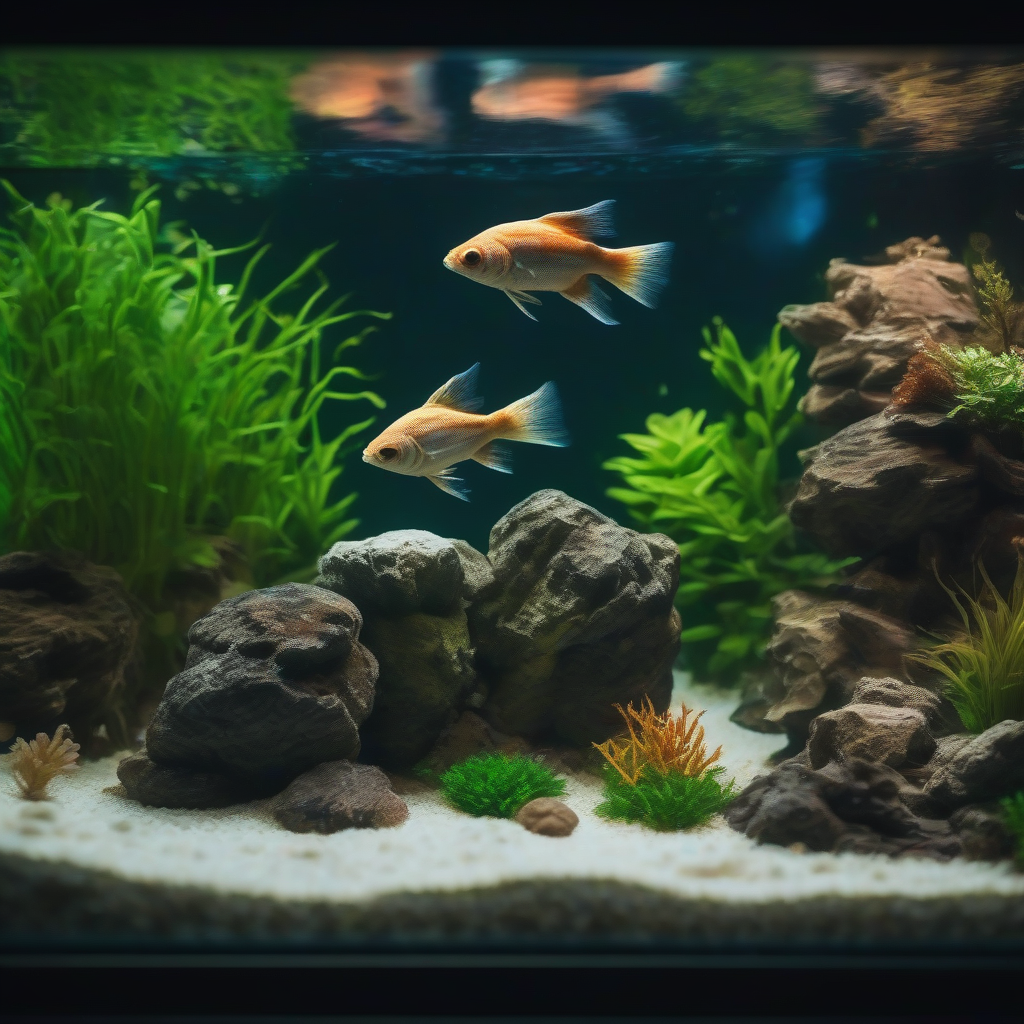
In this article, you will discover the hidden hiding needs of your fish in the aquarium and the scientific methods for creating species-specific micro-habitats, learning the secrets to maximizing your fish's well-being by minimizing stress.


In this article, we will deeply explore the insidious neurobiological effects of gut microbiome imbalance (dysbiosis) on your rabbit's brain health and provide scientific-based solutions to maintain mental vitality.

In this article, you can find comprehensive information on how pancreatitis in dogs not only affects the digestive system but also insidiously impacts the brain, its neuroinflammatory mechanisms, and lifesaving emergency intervention strategies.

Discover the 5 insidious effects of overfeeding, one of the most stealthy threats to your fish's health, causing neurometabolic destruction in their brains, and learn scientific feeding strategies to prevent this demise. Uncover the silent danger in your aquarium!
Setting up an aquarium is far more than just combining water and fish; it requires acting like a meticulous architect of the underwater world. Optimizing our fish's living spaces, not just for aesthetic reasons but guided by scientific data, is vital for them to live healthy, happy, and stress-free lives. As of March 2026, the concept of 'micro-habitat architecture' has become one of the most important trends in aquarium keeping, focusing on fish welfare. So, how do we understand the 'invisible' needs of our fish and transform the aquarium into a perfect sanctuary for them?
Micro-habitats are small, specialized areas within the aquarium. These can be dense plant cover, rock crevices, indentations formed by driftwood, or tunnels under the substrate. While many aquarium owners might see these areas as mere decorative elements, they actually form the foundation of fish survival and well-being strategies. Scientific studies show that appropriate micro-habitats significantly reduce stress in fish, strengthen their immune systems, and allow them to exhibit natural behaviors.
Fish naturally need sanctuaries to escape predators or competition. This instinct continues in the aquarium environment. When there aren't enough hiding places, fish remain constantly vigilant, leading to chronic stress. Chronic stress can result in loss of appetite, fading colors, susceptibility to diseases, and even premature death. General health declines, especially leading to situations like When Your Fish's 'Invisible Defense Shield' Collapses: Insidious Signals of Sudden Scale Loss and 5-Minute Lifesaving Emergency Intervention!, are often a result of prolonged stress.
Some fish species tend to defend specific territories to establish and maintain their social hierarchies. For aggressive species, sufficient hiding places allow weaker fish to escape pressure, reducing in-tank aggression. During breeding seasons, many fish require special, safe micro-habitats to protect their eggs or fry. These areas prevent adult fish from eating the fry and increase survival rates. When introducing new species to the aquarium, establishing appropriate micro-habitats, combined with the information in the article Your Fish's Secret Social Hierarchy in the Aquarium: Scientific and Stress-Reducing Ways to Introduce New Species (March 2026), will make the integration process smooth.
Each fish species has unique habitat preferences. A suitable sanctuary for a Neolamprologus brichardi (Princess Cichlid) may not be suitable for a Betta splendens (Siamese Fighting Fish) or a Corydoras. Therefore, understanding the fish species in the aquarium and their natural habitats is the first step towards successful micro-habitat architecture.
Live plants not only enhance the aesthetics of the aquarium but also offer excellent hiding places and visual barriers. Dense plant groups create safe zones, especially for anxious or shy fish. Additionally, plants improve water quality by absorbing nitrates and producing oxygen. Using plants at different levels (foreground plants, midground plants, floating plants) creates micro-habitats throughout the entire water column.
Rocks, ceramic caves, or driftwood are indispensable sanctuaries for many fish species. Dark and narrow caves are vital, especially for nocturnal fish or those protecting their eggs. The entrance size and internal width of the caves should be carefully selected according to your fish species. In aquariums with multiple fish, it's crucial to provide enough caves for each fish to find its own 'private' space.
Driftwood and tree branches not only give the aquarium a natural look but also provide complex hiding and exploration areas for fish. These structures offer surfaces for the formation of beneficial bacteria and biofilms over time, which is important for the feeding habits of some fish species. Moreover, shaded areas created by branches provide a calming environment for light-sensitive species.
Some fish species (e.g., Corydoras, certain Cichlid species) exhibit digging, tunneling, or foraging behavior in sand or gravel. For these fish, choosing a fine-grained, soft substrate is critical for satisfying their natural instincts and reducing stress levels. Hard and sharp-edged substrates can harm the sensitive barbels or skin of these species.
The placement of micro-habitats within the aquarium directly affects the stress levels of fish. Here are some scientific placement strategies:
After arranging your aquarium, carefully observe your fish's behavior. As stated in the article Your Fish's 'Silent Language of Emotion': Scientific Codes for Deciphering Invisible Social Signals in the Aquarium After Adoption!, fish body colors, swimming habits, and hiding preferences provide important clues about how content they are with their environment. If your fish are still hiding, their colors are faded, or they are displaying aggressive behaviors, you may need to reconsider the micro-habitat arrangement. The aquarium is a living ecosystem, and continuous adaptation and improvement are required to ensure optimal well-being.
Micro-habitat architecture in a fish aquarium is not just a hobby, but also a scientific art. By creating well-thought-out shelters and living spaces that suit your fish's species, behaviors, and psychological needs, you ensure they not only survive but also thrive and display their natural beauty. Remember, a well-designed aquarium is not just a home for fish, but also a peaceful, living work of art for you.
