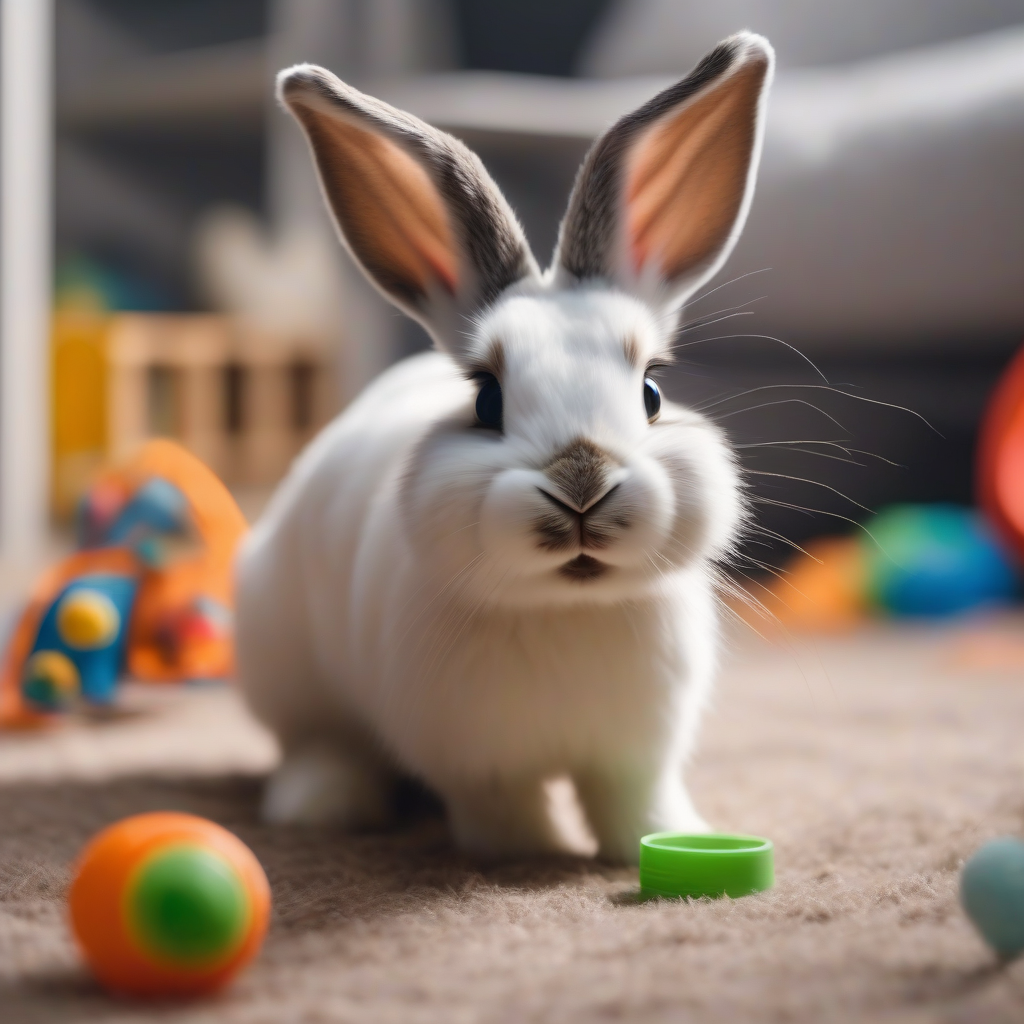
In this article, you will discover the often-misunderstood play behaviors of rabbits, the deep scientific links between escaping boredom and mental stimulation, and the keys to enhancing your tiny friend's well-being.


In this article, we will deeply explore the insidious neurobiological effects of gut microbiome imbalance (dysbiosis) on your rabbit's brain health and provide scientific-based solutions to maintain mental vitality.

In this article, you can find comprehensive information on how pancreatitis in dogs not only affects the digestive system but also insidiously impacts the brain, its neuroinflammatory mechanisms, and lifesaving emergency intervention strategies.

Discover the 5 insidious effects of overfeeding, one of the most stealthy threats to your fish's health, causing neurometabolic destruction in their brains, and learn scientific feeding strategies to prevent this demise. Uncover the silent danger in your aquarium!
While rabbits are known for their quiet and gentle nature, they possess a rich behavioral world within. One of the most colorful and often misunderstood aspects of this world is their play. To many pet owners, play might seem like mere entertainment or a way to burn off energy. However, scientifically speaking, play is a vital activity for rabbits, honing their survival instincts, developing cognitive abilities, and supporting emotional well-being. So, what are the scientific secrets behind your rabbit's adorable jumps, object-tossing, or chases, and how can deciphering this 'secret play language' improve your furry friend's quality of life?
Rabbit play behaviors are deeply influenced by their evolutionary history and natural instincts. Being prey animals in the wild, play serves as a means of both physical and mental preparation. For domestic rabbits, these instincts manifest in the home environment, serving various vital functions.
Rabbits are naturally in a constant state of alertness. Play offers an outlet to manage this chronic stress. 'Zoomies' (sudden bursts of running and turning) or 'binkies' (leaping into the air and twisting their body) performed in a safe environment are signs that the animal feels secure and has momentarily forgotten the threat of predators. These behaviors also subconsciously reinforce escape and agility skills. Scientific research indicates that play triggers the release of endorphins, thereby reducing stress and improving mood.
Boredom for rabbits is not just a nuisance; it's a serious welfare issue that can lead to behavioral problems and even health issues. Insufficient mental stimulation can cause undesirable behaviors in rabbits such as fur pulling, cage bar biting, excessive aggression, or apathy. Play increases brain activity, develops problem-solving skills, encourages curiosity, and facilitates adaptation to the environment. For example, toys that mimic food-hiding behaviors or labyrinths that require exploration are excellent tools for your rabbit's Invisible Intelligence Parkour.
Rabbits are social animals, and play plays a critical role in intra-species and inter-species communication. A pair of rabbits chasing each other or gently nipping often signifies playful flirtation or testing social hierarchy. Games played with their owners strengthen trust and bond. To understand your rabbit's Secret Bond Language, it's important to observe other Silent Communication Protocols displayed during play.
Rabbit play behaviors vary, with each serving a different meaning or instinctive need.
Providing regular play and mental stimulation is crucial for your rabbit to live a healthy and happy life. Here are some scientifically proven strategies:
Rabbits playing is much more than just burning off energy. Play is a fundamental building block for their overall health and happiness.
Regular and appropriate play significantly reduces stress and anxiety in rabbits. Rabbits who can play freely in an environment where they feel safe exhibit less destructive behavior. This helps prevent behavioral issues such as aggression, excessive cage biting, or fur pulling.
Play keeps rabbits physically active. Running, jumping, and exploring movements support muscle development, maintain joint health, and reduce the risk of obesity. Maintaining a healthy weight extends rabbits' lifespan and prevents other health problems like diabetes.
Playing with your rabbit is one of the most effective ways to strengthen your bond. Quality time spent together forms the foundation of mutual trust and understanding. Understanding your rabbit's play behaviors and responding appropriately increases their trust in you and deepens your relationship.
Understanding your rabbit's 'secret play language' means acknowledging that they are not just cute pets, but living beings with complex psychological and behavioral needs. Play for a rabbit is not just a luxury but a fundamental necessity for their physical and mental health. By implementing scientifically backed play strategies, you can help your tiny friend overcome boredom, increase their mental stimulation, and provide them with the happy, healthy, and enriching life they deserve. Decode your rabbit's language and build a deeper bond together!
