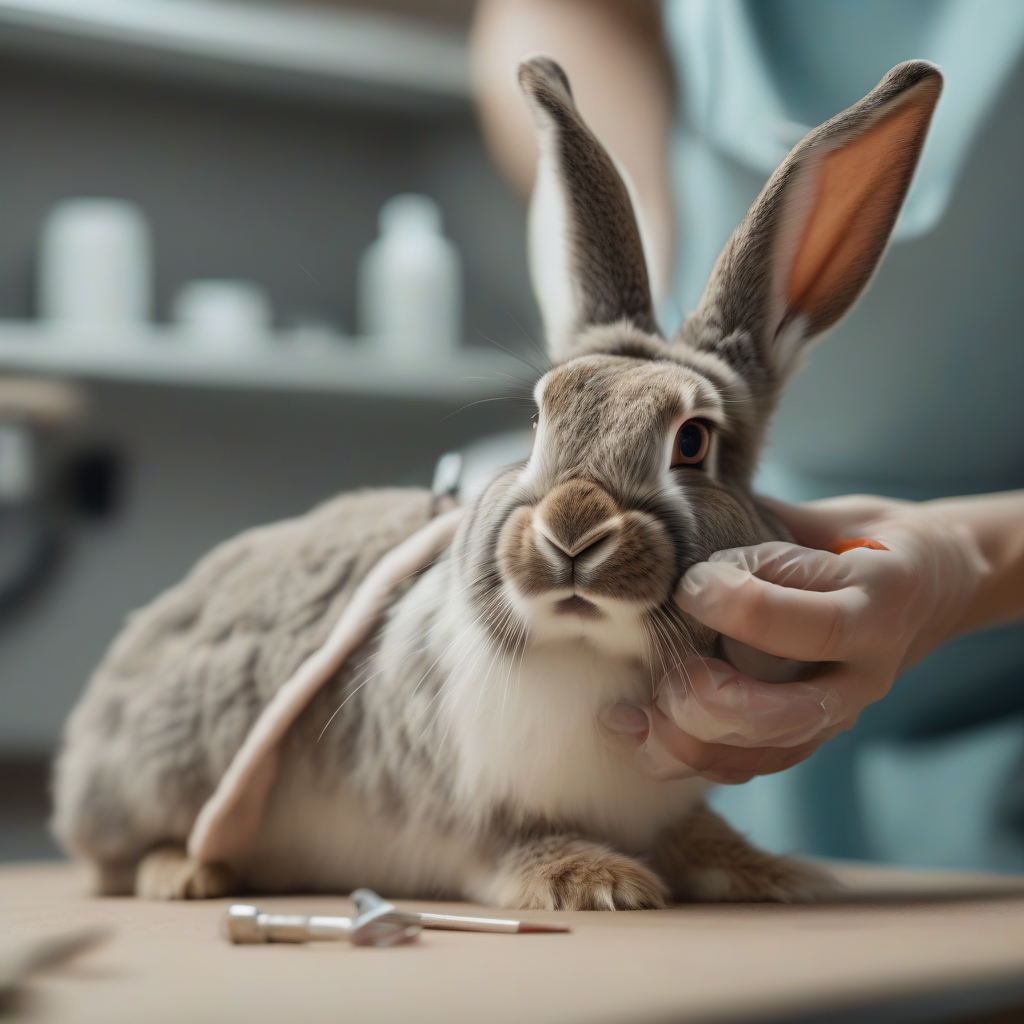
In this article, you can find comprehensive information about the hidden neurobiological stress your rabbit experiences during nail trimming and 5 scientific techniques to make the process as stress-free as possible.


Discover the types of burns your dog can suffer, the 5 insidious neurophysiological effects these burns create in the brain and body, and lifesaving emergency intervention strategies in this comprehensive guide. We shed light on the dangers behind forgotten household accidents from a scientific perspective.

Discover the neurobiological signals of hidden stress your newly adopted cat experiences during adaptation to a new social environment. This article reveals 5 insidious signs of your cat's silent struggle and scientific strategies for peaceful, long-term harmony.

Your dog's anal sacs, located beneath the tail, can be hidden alarm bells often overlooked but profoundly affecting their quality of life. In this article, you will discover the 5 insidious neurobiological effects of anal sac problems on the brain and the lifesaving care secrets you need to know for your furry friend to live a peaceful life.
Rabbits are incredible creatures known for their sensitive nature and complex nervous systems. Their care not only involves meeting their physical needs but also demands consideration of their emotional and neurobiological well-being. One of these care routines, nail trimming, though often appearing as a simple procedure, can actually have deep neurobiological effects that may trigger your rabbit's hidden stress mechanisms.
Your rabbit's nails serve more than just the functions of walking and digging. They are complex structures filled with nerve endings and play a role in perceiving environmental stimuli. Therefore, the pain or discomfort experienced during nail trimming is not just physical pain but also creates a threat perception in the brain, leading to fear and stress. This can negatively impact your rabbit's overall behavior, trust, and general well-being in the long run.
Rabbits, being prey animals, are hypersensitive to the slightest change or threat in their environment. An unexpected touch, sound, or slight pressure during nail trimming can trigger their fight-or-flight response. The amygdala in the brain, responsible for fear and threat perception, becomes activated. This activation leads to the secretion of stress hormones like cortisol. These hormones can increase your rabbit's heart rate, respiration, and muscle tension.
If nail trimming experiences are repeatedly negative, your rabbit may develop "learned helplessness" or "post-traumatic stress-like" conditions. This can lead to extreme fear and an urge to escape even the simplest grooming applications. This, in turn, can weaken the bond between you and your rabbit, leading to a loss of trust. This is related to Your Rabbit's 'Secret Bonding Architecture': 5 Neurobiological Secrets of Human Touch and Voice Tone on Brain Chemistry!.
Keeping these neurobiological realities in mind, it is possible to make the nail trimming process safer and less stressful for your rabbit. Here are 5 effective techniques based on scientific research:
Early Introduction and Positive Reinforcement: When your rabbit is young, gently touching their paws, showing them the nail trimming tool, and offering positive reinforcement (a favorite treat or gentle petting) during this time helps establish a positive association. This forms part of the first step in Your Rabbit's 'Mind Map': 5 Brain Chemistry Secrets for Litter Training!. It focuses on activating the brain's reward centers rather than its fear centers.
Creating a Calm and Controlled Environment: Perform nail trimming in a quiet, calm room and at a time when your rabbit feels safe. If possible, doing it on a familiar surface (e.g., a blanket) will reduce the risk of slipping, enhancing both their physical and psychological comfort. This helps reduce triggers related to Your Rabbit's 'Invisible Stress Response Atlas': Unlock 5 Neurological Locks for a Calm Companion!.
Choosing and Using the Right Nail Trimming Tool: Using sharp, quick nail clippers specifically designed for rabbits minimizes pain by reducing the risk of crushing and tearing. Be careful not to take off too much nail; often, just trimming the tip is sufficient. Avoid cutting the "quick" (the pink, vein-filled part). This can lead to bleeding and severe pain. If this occurs, follow the emergency protocols in the guide Your Rabbit's 'Hidden Poisoning Map': Sudden Behavioral Changes and 5 Lifesaving Scientific Protocols for Crisis Situations.
Step-by-Step and Short Duration Application: Instead of finishing nail trimming in one go, aim to cut only one or two nails per session. Reward your rabbit after each successful cut. If your rabbit shows signs of tension (teeth grinding, ears pinned back, trembling), take a break and continue later. This ensures that you don't overlook the fact that potential dental issues, related to Your Rabbit's 'Secret Jaw Whispers': 5 Insidious Behavioral Clues Beyond Dental Health and Secrets to Calmness!, can also increase nail trimming stress.
Seek Professional Help If Necessary: If you are hesitant to perform nail trimming yourself, or if your rabbit shows extreme stress reactions, do not hesitate to ask for help from your veterinarian or an experienced animal care professional. They can apply the most suitable and stress-free method for both you and your rabbit. Remember, their well-being is paramount.
With the right approach, nail trimming can become a safe and routine part of care rather than a traumatic experience for your rabbit. Understanding their neurobiological sensitivities and applying scientific techniques will strengthen the bond with your furry friend and help them lead a happier, healthier life.
